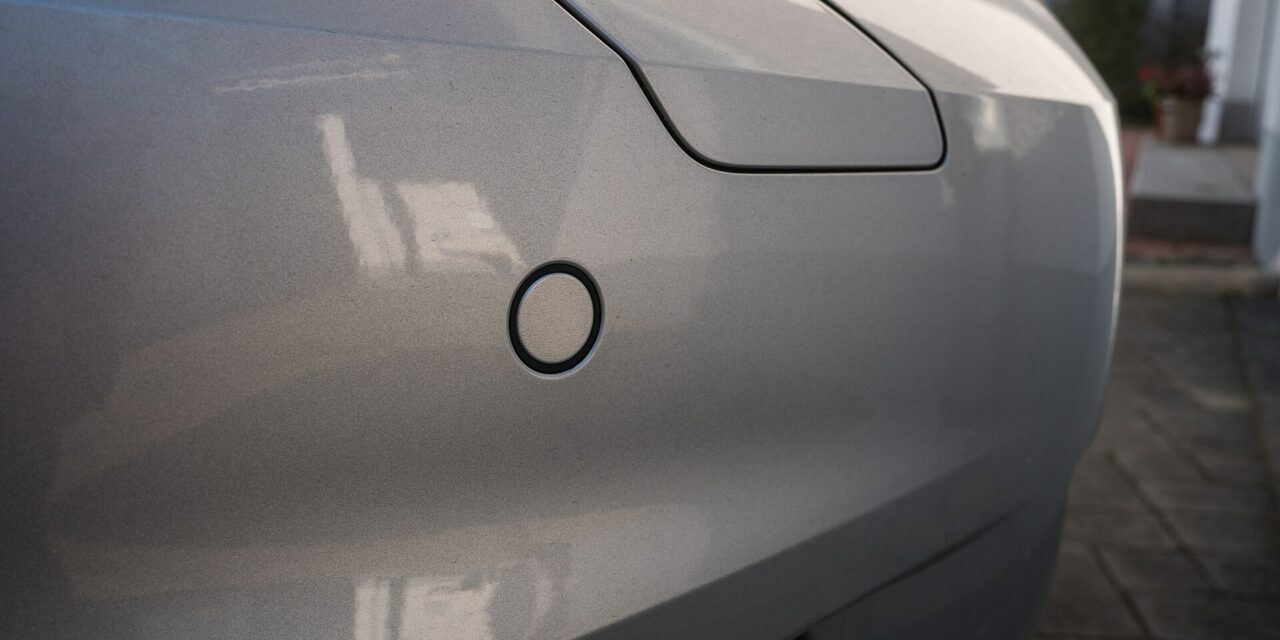
If your parking sensors have stopped beeping, start with the simple checks before assuming a bumper has to come off. Dirt, road salt, wax, a film of water or a switched-off setting can stop an ultrasonic system working as expected. A single sensor that has gone silent, a recent low-speed knock, or a persistent dashboard warning is more likely to need proper diagnosis.
Parking sensors are an aid, not a reason to reverse on the beeps alone. Keep looking around the car and use mirrors and cameras properly. If the system is unreliable, treat it as unavailable until you know why.
Start with the no-tools checks
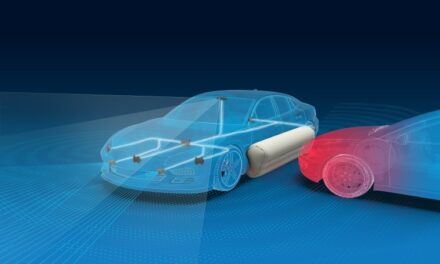
Most factory parking systems use small ultrasonic sensors set into the bumper. They send out sound waves and listen for the return. Their position makes them vulnerable to grime and winter salt, while ice, heavy rain and a thick coat of polish can interfere temporarily.
- Clean every sensor gently. With the ignition off, use water and a soft microfibre cloth. Do not dig around the edge with a screwdriver, use a pressure washer close-up, or soak an electrical connector.
- Look for obvious damage. Compare the sensors across the bumper. A sensor sitting proud, pushed in, cracked or badly scuffed after a bump is worth noting for the garage.
- Check the system has not been disabled. Many cars have a parking-aid button, a menu setting or a trailer mode that alters the warnings. Check the handbook for your exact car rather than relying on a video for another model.
- Try it in the right conditions. With the engine running or ignition on, select reverse with the foot brake applied and listen for the system’s usual start-up tone. Some systems only operate below a set speed, only in reverse, or behave differently with a towbar or trailer connected.
- Switch the car fully off and restart it. This will not repair a damaged sensor, but it can clear a temporary software hiccup. If a warning returns, make a note of its wording.
One dead sensor or a whole system fault?
The pattern matters. If the car gives one long warning tone when reverse is selected and then no distance beeps, the vehicle may be reporting a parking-aid fault. If only one area does not react when you approach an obstacle, a single sensor or its wiring becomes more likely. A fault affecting both front and rear assistance can point instead to a fuse, module, settings issue or a wider electrical problem.
On some older ultrasonic systems, a working sensor makes a faint rapid ticking sound or vibration when it is active. That can be a useful clue, but it is not a definitive test. Do not poke the sensor face, force a probe into it, or use that trick as a reason to order parts. Modern systems vary, and camera- or radar-based parking aids need different checks.
Why a clean sensor can still be faulty
A clean-looking sensor can have an internal fault, a damaged plug or wiring behind the bumper, or a poor connection caused by water ingress. A minor impact is enough to crack a sensor housing or disturb a connector even when the bumper cover looks largely intact. A recent bumper repair matters too: a replacement sensor may need to be correctly matched, painted appropriately, fitted in the right position or configured for the car.
That is why swapping a cheap, unverified sensor from an online listing is often a false economy. Part numbers, paint finish, sensor frequency and vehicle software can all matter. A garage that diagnoses the fault before fitting a part is doing a more useful job than one that simply replaces the most accessible sensor.
When to book a garage
Book an inspection if cleaning and checking the settings does not restore the system, if there is a warning message, or if the fault appeared after a collision or bumper repair. Ask the garage to scan the parking-aid module and identify the stored fault before authorising replacement parts. If a sensor is condemned, ask whether the price includes diagnosis, the correct part, paint or coding where needed, refitting the bumper, VAT and a warranty on the repair.
Those questions matter because the bill is not always about the sensor itself. Access can be quick on one car and involve removing bumper trim on another. Wiring repairs, a damaged mounting bracket and a system that needs calibration or coding can all add time. Get a written estimate and ask the garage to call before moving from diagnosis to extra work.
If you are choosing a repairer for another small but safety-relevant job, the same principle applies: a clear explanation of the diagnosis and the options is more useful than the lowest headline price. Our guide to the questions a UK tyre fitter should answer sets out the kind of clarity worth expecting.
Will faulty parking sensors fail an MOT?
Parking sensors are not a standalone prescribed item in the DVSA MOT inspection manual. In practical terms, a parking-aid fault on its own is not normally the same as an MOT failure. The MOT is still a roadworthiness check, and you can check the official process and a vehicle’s history through GOV.UK.
That should not be read as permission to ignore the problem. If the warning is accompanied by another dashboard fault, damage to the bumper or lighting, or an electrical issue that affects other equipment, have the car checked. More importantly, do not let a silent system change the care you take while reversing.
Keep the fault from coming back
- Wipe the sensor faces when washing the car, especially after gritted roads.
- Avoid covering the bumper with stickers, thick wax or accessories near a sensor.
- After a minor bump, test the system before you forget the incident.
- Tell a bodyshop if the car has parking aids before bumper work begins.
- Use the car’s handbook for any warnings, deactivation settings and towbar or trailer behaviour.
Quick answers
Can rain stop parking sensors working?
Heavy rain, snow, ice and surface grime can reduce an ultrasonic sensor’s effectiveness temporarily. Clean and dry the bumper, then retest. A warning that stays after conditions improve deserves a diagnostic check.
Why do my sensors beep continuously in reverse?
It can mean an obstacle is genuinely close, but a continuous tone or fault message as soon as reverse is selected can also be the car’s way of flagging a parking-aid issue. Check the handbook and do not keep testing close to people, walls or traffic.
Can I drive with parking sensors not working?
Usually, the car can still be driven, but the driver must reverse without relying on the aid. If the fault follows an impact, appears with other warning lights or involves loose bumper parts, arrange an inspection promptly.
For another common small-system fault, see our guide to a windscreen washer that will not spray. The sensible sequence is the same: make the safe basic checks first, then pay for diagnosis rather than guesswork.