Tyre pressures are one of the few car checks that take minutes but can affect grip, tyre life, fuel use and how settled the car feels on the road. The awkward part is that there are several numbers to choose from, and the most obvious one on the tyre is usually not the pressure you should put in it.
The right figure is the vehicle manufacturer’s recommendation for your exact car, wheel and load, checked when the tyres are cold. Here is the practical UK routine.
Find the correct pressure first
Look for the pressure label in the driver’s door shut, behind the fuel flap, in the handbook or in the manufacturer’s app. It will normally show front and rear pressures, often in both bar and psi, plus a higher setting for a fully laden car or sustained higher-speed driving.
Use the line that matches how the car is being used. A driver travelling alone with little luggage may need the normal setting; a family holiday, a boot full of gear or a loaded van may call for the higher-load setting. Do not assume all four tyres use the same pressure, and check the spare if the car has one.
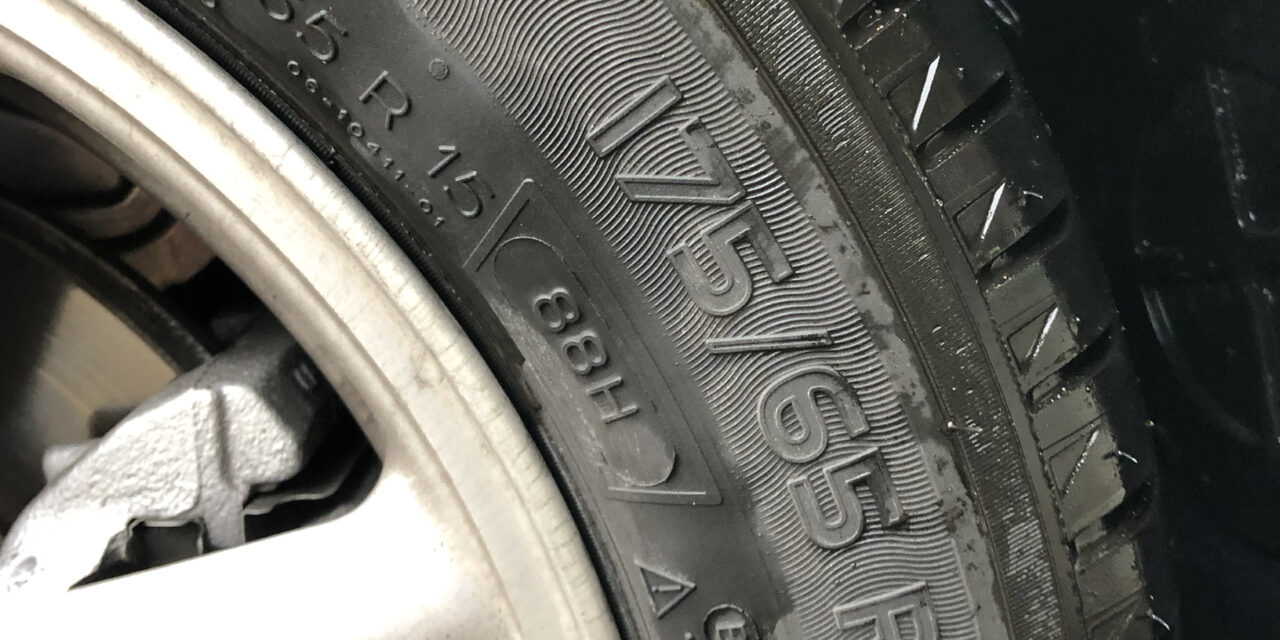
The large figure moulded into the tyre sidewall is commonly a maximum pressure for the tyre, not a recommendation for your car. Setting the tyres by that number can make the ride needlessly harsh and may reduce the contact patch. The car maker’s label wins.
Check them cold, ideally once a month
“Cold” means before a journey, or after the car has been parked for several hours. Driving warms the air inside a tyre and raises the reading, so a hot reading cannot be sensibly compared with the cold recommendation on the label.
A monthly check is a sensible baseline, and it is worth repeating before a long trip, after carrying a heavy load, and whenever the car feels as though it is pulling, steering oddly or using more fuel than expected. A tyre-pressure monitoring warning is a reason to check promptly, not a substitute for a gauge.
The five-minute method at a forecourt or at home
- Park safely and find the vehicle pressure label before starting.
- Remove the valve cap from one tyre and keep it somewhere clean.
- Push the gauge or airline connector on squarely. A brief hiss is normal; a continuing hiss means it is not seated properly.
- Read the pressure, then add or release air in small amounts until it matches the relevant front or rear target.
- Recheck the reading, refit the cap and repeat for the other tyres and, where fitted, the spare.
Forecourt gauges are convenient, while a decent handheld gauge lets you check at home when the tyres are genuinely cold. The exact display matters less than using a reliable gauge carefully and aiming for the manufacturer’s figure. If two gauges disagree wildly, do not split the difference: try another gauge or ask a tyre specialist to check.
What the readings may be telling you
One tyre that is a little low can happen through normal air loss or a temperature change. One that repeatedly loses pressure needs attention. Look for a nail or screw in the tread, damage to the sidewall, a leaking valve, or a leak around the wheel rim. Do not pull out an object embedded in the tread at the roadside: it may be slowing the leak. This guide explains the safer next step if you have found a nail in a tyre.
Repeatedly low pressure is not something to cure by topping up forever. Book a puncture inspection. If the sidewall is cut, bulged or badly scuffed, treat it as more urgent: sidewall damage is not normally repairable. Our guide to tyre sidewall damage explains why.
After adjusting the pressures
If your car has a tyre-pressure monitoring system, it may need to be reset after all four pressures have been corrected. The procedure varies by model. Some cars have a dashboard menu or button; others reset themselves after a drive. Use the handbook rather than guessing, and investigate a warning that returns after a reset.
Pressure is only one part of tyre safety. Check the tread while you are there, including the inner and outer shoulders, and look for cracking, cuts and uneven wear. The legal minimum tread depth for most cars in the UK is 1.6mm across the central three-quarters of the tread and around its full circumference, but waiting for the legal limit is not a maintenance strategy. See our plain-English guide to tyre tread depth.
Quick answers
Should I use psi or bar?
Either is fine. Use the unit shown on the car’s label and on the gauge. Many UK labels show both.
Can I set pressures after driving to the petrol station?
You can use the airline in a pinch, but the result is less exact because the tyres are warm. For a proper routine, check before driving. If you must adjust warm tyres, do not bleed a warm tyre down to the cold figure.
Does the tyre sidewall tell me the right pressure?
Usually no. It identifies the tyre’s specification and may show a maximum pressure. The vehicle placard or handbook provides the correct target for the car.
Do electric cars need different pressures?
They need the pressures specified for that particular EV. Do not copy the setting from a similar-looking petrol car: tyre size, load and vehicle weight can differ substantially.
The useful habit is simple: keep a gauge or use the forecourt airline, check before a journey once a month, and use the number on the car rather than the one on the tyre. It is cheaper than discovering uneven wear when it is time to replace a pair.