Tyres wear out. That is not, by itself, a reason for a lease company to send a bill when the car goes back. But a puncture, sidewall cut, illegal tread depth or a tyre that does not meet the vehicle’s required specification is a different matter. The practical rule is simple: keep the car safe and roadworthy throughout the lease, repair damage promptly, and do not assume an end-of-contract inspection will treat a damaged tyre as ordinary wear.
The detail comes from your agreement, so check it before authorising a replacement. Still, the distinction below will help you deal with a tyre problem properly and avoid a nasty surprise at hand-back.
Fair wear is not the same thing as tyre damage
The BVRLA’s Fair Wear and Tear guidance draws a useful line: fair wear is deterioration caused by normal use, while damage is linked to a specific event, impact, harsh treatment or neglect. That distinction matters for leased cars.
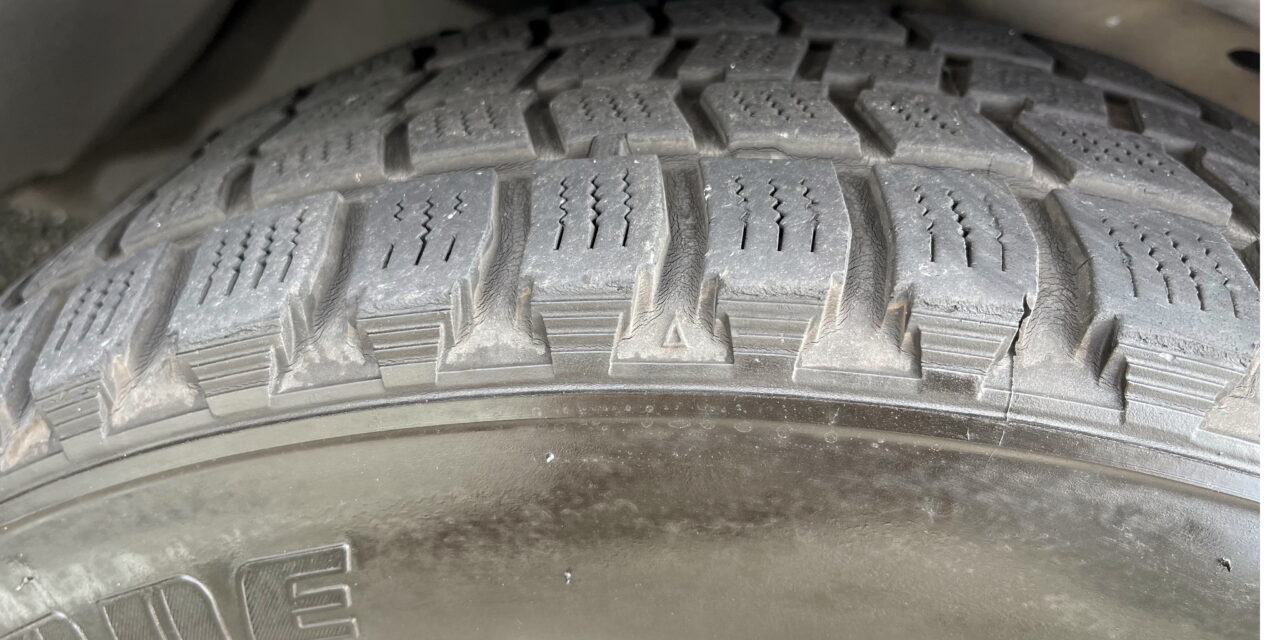
Normal use gradually reduces tread depth. A nail through the tread, a kerbed sidewall, a bulge, a split or a tyre worn unevenly because a problem was ignored is harder to describe as normal use. It may also need attention long before the car is due back.
Do not treat “fair wear and tear” as a blanket exemption. Your signed lease agreement and its vehicle-return standard are what count. Some providers adopt BVRLA-style standards, while others set their own process or specify approved repair routes.
What the law requires before the hand-back inspection
A lease car is still your responsibility while you are driving it. GOV.UK says a vehicle can be unsafe even with a current MOT, and that tyres must have the correct tread depth and be free from cuts and defects. For cars, light vans and light trailers, the legal minimum is 1.6mm across the central three-quarters of the tyre and around its full circumference.
That is a legal floor, not a good hand-back strategy. A tyre can be above 1.6mm yet have damage, abnormal wear or a mismatch with the car’s approved specification. If there is a warning light, vibration, a steering pull, visible cord, a bulge, or a cut that concerns you, stop treating it as an end-of-lease question and get a professional opinion.
When you are likely to pay
You will usually be expected to put right damage that happened during your lease. Common examples include:
- a puncture or repairable tyre that was never repaired;
- a sidewall cut, bulge, exposed cords or impact damage;
- tyres below the legal limit, or tyres that are not serviceable;
- uneven wear that points to an unresolved alignment, suspension or inflation issue; and
- a replacement that is incompatible with the vehicle, axle or lease-company requirements.
Whether you pay the lease company’s charge or arrange the repair yourself before collection depends on timing and the agreement. In many cases, dealing with a genuine tyre issue early gives you more choice over the repairer and product. It also leaves you with evidence of what was fitted.
When a hand-back charge is less likely
Ordinary, even tread wear from normal mileage is generally what fair-wear standards are designed to recognise. A roadworthy tyre that has simply worn down through normal use is not automatically a damage claim. But the answer can change where the agreement includes tyre replacement or maintenance, sets a return condition, or says the driver must replace consumables.
Read the service, maintenance and tyre sections rather than relying on what a salesperson said at collection. A fully maintained lease may have a different process from a finance-only agreement. If tyres are included, ask the provider what it needs from you before using a garage.
Do not fit the cheapest tyre without checking
A tyre replacement is not just a matter of matching the rim size. Check the handbook, door-sticker information and lease terms for the required size, load index, speed rating and any run-flat, self-sealing or manufacturer-specific requirement. This is especially important with performance cars and EVs, where the correct tyre can affect load capacity, range, handling and the car’s warning systems.
Ask the garage to write the full specification on the invoice. If the car uses run-flats, do not swap to conventional tyres on a whim. Our guide to changing from run-flats to conventional tyres explains why the vehicle’s approved setup and your contingency plan matter.
A sensible response to a puncture or damaged tyre
- Check whether it is safe to drive. A loss of pressure, bulge, deep cut, exposed cord or severe vibration needs urgent professional attention, not a slow drive to the end of the month.
- Record the condition. Take dated, well-lit photos of the tyre, wheel and any visible cause. Keep the tyre-pressure warning message if there is one.
- Read the lease terms. Look for maintenance cover, approved suppliers and rules on replacement tyres. If the car is supplied through an employer scheme, check its separate process too.
- Use a reputable tyre specialist. Ask whether the tyre can be repaired safely. A safe repair is better than replacing a tyre unnecessarily, but sidewall damage and some punctures cannot be repaired.
- Keep the paperwork. Retain the inspection report and invoice showing the tyre specification, repair or replacement date, and mileage.
- Check the rest of the axle. If the opposite tyre is close to replacement, ask whether the pair should be assessed together. Do not assume you must replace two tyres, but do not ignore a significant mismatch either.
If you have found a nail but the tyre is still holding air, do not pull it out by the kerb. Read our guide to what to do when you find a nail in a tyre before arranging an inspection.
How to prepare the tyres for lease return
Check the car a few weeks before the collection date, not the night before. The BVRLA advises lease drivers to check tyres every four to six weeks, and its returning-your-leased-vehicle advice explains the inspection context at the end of a contract.
- Measure tread across each tyre, not only in one convenient spot.
- Look at both sidewalls and the wheel rims for impact damage.
- Check for warning lights, slow pressure loss and uneven shoulder wear.
- Make sure any replacement tyre has the correct specification and is documented.
- Take fresh photos of all four wheels and tyres, ideally with the car’s mileage visible in a separate image.
Those photos will not excuse a defect, but they create a clear record of condition if a later report surprises you. If an inspection identifies something you dispute, ask for the report, photographs and the relevant part of the return standard. Do not argue from memory.
The bottom line
Normal tyre wear is part of driving a leased car. Damage, unsafe tread, ignored pressure loss and an unsuitable replacement are not. Inspect tyres regularly, deal with problems while you still control the repair, and keep the invoice. That approach is safer on the road and much less likely to turn into an avoidable hand-back charge.