A used Cupra Born can be an appealing way into a quick, well-equipped electric hatchback, especially when a nearly-new example sits noticeably below its original list price. It is also the sort of car where a glossy advert and a healthy-looking range figure can hide the useful questions.
The Born shares a great deal of its electric hardware with other Volkswagen Group cars, but the buying process should still be specific to the individual car. This is not a guide to finding a mythical perfect battery percentage. It is a practical test-drive and paperwork checklist for working out whether the particular Born in front of you is a sound buy.
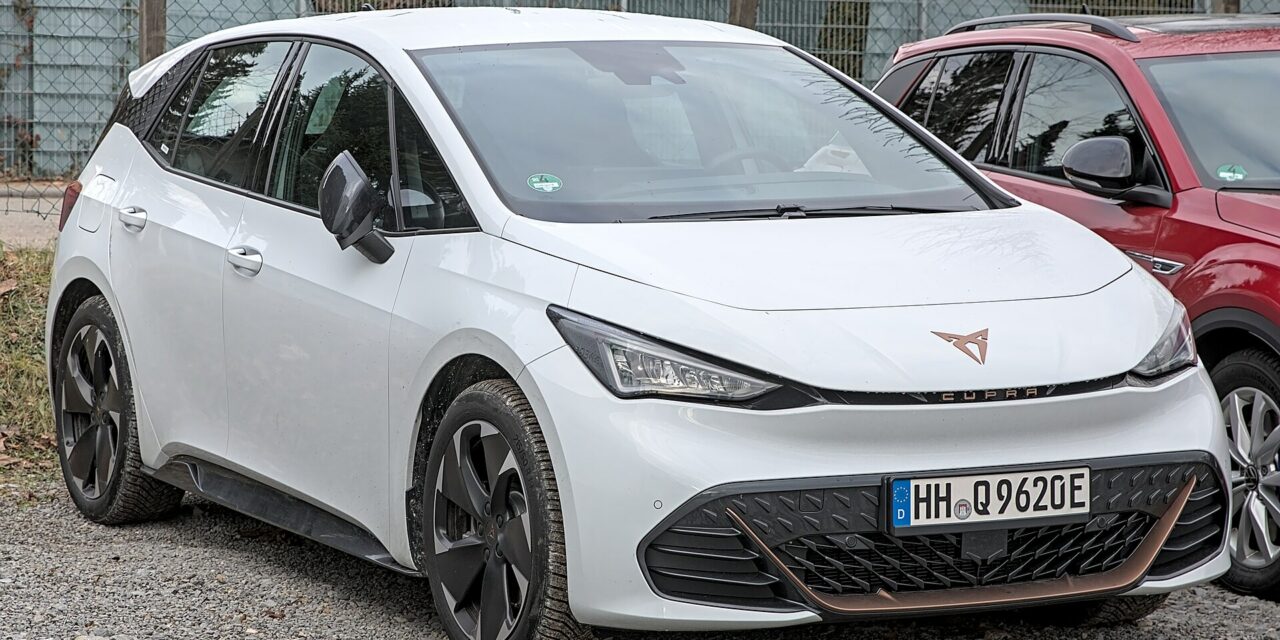
Featured image: Alexander-93, Wikimedia Commons, CC BY-SA 4.0.
Before you travel: decode the advert
Start by saving the advert, registration and VIN if the seller will provide it. A Born’s advertised range is not a promise of what you will see on a cold motorway journey, and it is not enough on its own to identify the battery, charging equipment or option pack. Ask the seller to confirm:
- the registration date and exact version
- whether it is a 58kWh or larger-battery car, and whether it has an e-Boost version
- the wheel size fitted now, including any non-standard wheels
- the number of keys, charging cables and locking-wheel-nut key included
- whether it has had any software campaigns, recalls or warranty work
- whether the price is cash, finance, or conditional on a part exchange or dealer finance package.
Do not rely on a dashboard photograph for battery health. A state-of-charge reading only shows how full the battery is that day. It does not independently measure its remaining capacity. The better starting point is a consistent service and charging history, a car that charges and drives normally, and a seller willing to let you inspect it properly.
Check the car before the test drive
1. Look at the tyres before admiring the copper trim
Electric cars are heavy and deliver their torque immediately. That does not mean every Born burns through tyres, but it does make tyre condition, brand and wear pattern important. Check all four tyres, not only the outer shoulder you can see when standing up. Uneven inner-edge wear can point to alignment or suspension issues; mismatched tyres can also make it harder to judge how the car has been treated.
Read the date codes and look for scuffs or distortion on the alloys. If a car has low tread, factor a full axle pair into the deal rather than treating it as a small cosmetic point. The tyre size, load rating and speed rating should match the vehicle’s approved specification. Our guide to reading tyre sidewall markings explains what to look for.
2. Inspect the charging hardware, not just the charge flap
Open the flap and look closely at the socket, pins, seals and surrounding paintwork. The flap should operate smoothly and the rubber seal should not be torn or trapped. If a cable is included, inspect both ends for damaged catches, cracked plastic or bent pins.
Ask to plug the car in if possible. You do not need to conduct a laboratory battery test, but you should see the car recognise the cable, begin charging and show the expected status without warnings. A seller who says charging cannot be demonstrated should give you a reason that makes sense. If you are buying remotely or from a dealer, make this a condition of collection.
Do not assume every cable pictured in an advert is included. Replacing one can be an avoidable expense, and a used cable deserves the same close inspection as any other electrical accessory.
3. Give the cabin and screen time to wake up
Turn the car on from cold if you can. Let the centre screen, driver display, cameras and climate controls load fully, then use them rather than merely looking at them. Pairing a phone is optional, but basic menus, reversing camera, parking sensors, navigation and heating controls should respond normally.
Software updates have been part of ownership for many modern EVs. Rather than assuming an update will solve any odd behaviour, ask the seller what has been done and whether there are invoices or dealer notes. Take photographs of any warnings that remain on screen. A vague intermittent fault is still a fault, even if it disappears halfway through the viewing.
4. Drive it in the conditions that reveal faults
A short, silent drive around a retail park will not tell you enough. Build in a route with rougher roads, a faster stretch if practical, low-speed manoeuvres and several firm but safe brake applications. Listen for clunks over potholes, rumble that rises with road speed and unwanted vibration through the wheel or seat.
Check that the steering centres naturally, the car tracks straight on a level road and the brakes feel progressive. Regenerative braking can feel different from a petrol car, but it should not disguise a pull, shudder or warning message. Try the drive-mode controls, the climate system and the parking brake while stationary, following the owner’s instructions.
If the car is charged enough, compare the displayed range with the temperature, recent driving and state of charge rather than declaring it good or bad in isolation. Cold weather, cabin heating, speed and wheel choice all affect the figure. A much more useful question is whether the display, charging behaviour and real-world drive all tell a coherent story.
Paperwork that matters on a used Born
A good file is more valuable than a pile of glossy brochures. Look for the V5C, servicing and inspection evidence, MOT history where applicable, charging-cable details, both keys and invoices for tyres, repairs or accessories. Confirm the VIN on the car matches the paperwork.
Use the free GOV.UK MOT history service to look for mileage progression and repeated advisories once the car is old enough to need an MOT. A clean record is useful, but it is not a substitute for inspecting the vehicle. Also use the official vehicle recall checker, then ask the dealer or seller whether any outstanding work has been completed.
For a car sold with remaining manufacturer or approved-used cover, ask for the terms in writing. Battery and vehicle warranties can have different durations, mileage limits and conditions. The key question is not simply whether there is warranty left, but exactly what remains, when it expires and whether the selling dealer will deal with an early fault.
Do not skip the finance and ownership checks
If you are buying privately, obtain an independent history check before transferring money. It can flag outstanding finance, write-off history and other issues that are not obvious in an advert. For a dealer sale, make sure the order form says what has been agreed, including included cables, repairs, delivery, warranty and any promise to rectify a fault.
Be particularly careful with a low monthly payment headline. Ask for the cash price, APR, total amount payable, deposit, term, mileage limit and final optional payment if it is a PCP agreement. The best car can become a poor deal if the finance is expensive or the allowance does not suit your mileage.
Is a used Cupra Born a sensible buy?
It can be, especially for a driver who wants an electric hatchback with a more distinctive cabin and driving character than some close relatives. The sensible purchase is the one with clear provenance, healthy tyres, working charging equipment, a fault-free test drive and paperwork that matches the seller’s story.
Walk away, or negotiate on the basis of a written repair commitment, if the car will not charge for you, carries unexplained warnings, has questionable tyre wear, lacks basic keys or cables, or comes with a story that does not align with its record. There will be another Born. The right one should make its case before you pay the deposit.
Quick viewing checklist
- Confirm version, battery, wheels, keys and charging cables before travelling.
- Check tyre condition, date codes and evenness of wear.
- Plug in and verify that charging begins without warnings.
- Test screens, camera, climate and parking systems from a cold start.
- Drive on mixed roads and check steering, brakes, suspension and warning messages.
- Match the VIN, V5C, invoices and service record.
- Check MOT history, recalls and vehicle history before paying.
- Get every agreed repair, accessory and warranty term in writing.