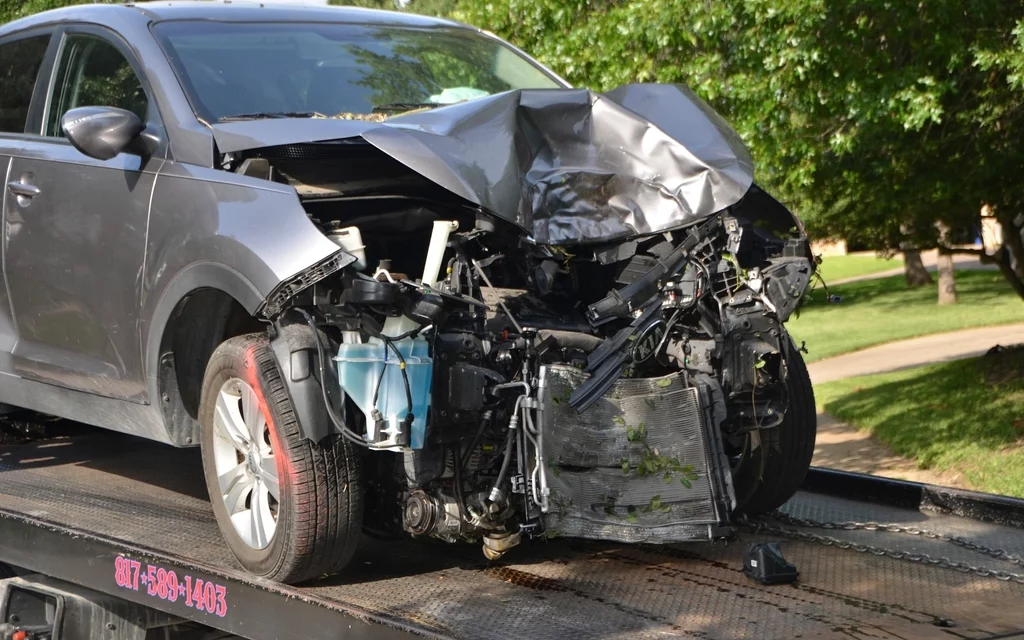
A collision abroad is the moment when a familiar holiday drive turns into paperwork, phone calls and uncertainty about what the local rules require. The best response is not to try to solve the whole claim at the roadside. Make the scene safe, get the facts, involve the right people and let your insurer guide the next move.
This guide is for UK motorists driving their own vehicle in Europe. Rules on police attendance, towing, reporting and liability differ by country, so treat it as a calm order of priorities rather than a substitute for local instructions or your insurance policy.
1. Deal with danger before paperwork
Stop somewhere safe if the vehicle can be moved without making things worse. Switch on hazard lights, keep people away from moving traffic and use high-visibility clothing or a warning triangle only where it is safe and lawful to do so. If anyone is hurt, the road is blocked, there is a fire risk or you need urgent police or ambulance help, call 112, the emergency number used across the EU.
On a French motorway, for example, the Foreign, Commonwealth & Development Office advises people involved in or witnessing an accident to use the orange emergency phones for help. Follow the directions of police, road operators and emergency services even if they differ from what you would expect at home.
2. Do not argue fault at the roadside
Stay polite, but do not guess who was to blame or accept a cash offer just to make the problem disappear. A rushed agreement can leave you without evidence if repair costs grow or an injury appears later. Equally, do not sign a document you do not understand. Ask for a translation, use your phone to translate the key points and photograph any form before signing it.
If police attend, ask how to obtain the incident or report reference. If they do not attend, keep a note of the time you called and any instructions you were given. Whether police must be called can depend on the country and the circumstances, particularly where there is injury, damage to public property or a dispute.
3. Collect the details that an insurer can actually use
Exchange basic information with the other driver. A V5C is not proof of insurance, so do not rely on a photograph of a log book alone. Capture or write down:
- the other vehicle’s registration, make, model and colour
- the driver’s name, address, telephone number and driving-licence details if they will provide them
- their insurer, policy number and the insurer’s emergency claims contact
- the location, date and local time
- names and contact details for independent witnesses
- the police force, officer details and incident number, if applicable
Take wide photos showing the road layout, markings, signs, weather and final positions, then close-ups of all damage. A short video walking around both vehicles can help preserve context. Do not put yourself in danger to get it.
4. Call the number on your policy, not a number offered at the scene
Use your insurer’s claims or European assistance line from the policy documents or its official app and website. Tell it where you are, whether the car is driveable, whether anyone is injured and whether a recovery operator has arrived. If the vehicle needs a tow, ask who is authorising it, where it will be taken and whether storage, repairs, replacement transport or repatriation are covered.
Do this before agreeing to non-emergency repairs where possible. Recovery and repair arrangements made independently may not be reimbursed in full, and cover varies sharply between policies. Comprehensive UK cover does not automatically mean the same benefits apply abroad, so ask about the actual limits, excess and time limit for your trip.
5. Keep every document, even the unglamorous ones
Put photos, forms, emails and receipts in one folder on your phone, then back them up when you have Wi-Fi. Keep invoices for towing, taxis, hotels, replacement travel, vehicle storage and any emergency repair. If you pay for something, record why you paid and who authorised it.
Also keep copies of the documents you travelled with, including your driving licence, vehicle registration document and insurance details. Before every European trip, check the current GOV.UK drive-abroad guidance and the country-specific FCDO advice. Requirements for documents, stickers, equipment and local procedures can change.
6. If a hire car is involved, tell the rental company promptly
With a rental, the hire agreement normally sets the reporting process and may require you to use its assistance provider. Call the rental company as well as any insurer or excess-reimbursement provider you used. Photograph the vehicle, complete its incident paperwork and keep a copy. Do not assume a separate travel policy will replace the rental company’s required report.
7. Finish the claim when you are home
Report the incident within the deadline in your policy, even if you think the other driver was clearly at fault or the damage appears minor. Send the insurer the evidence in a clear timeline: what happened, where, who attended, what was said, what costs have been incurred and what the car’s current location is.
Be especially careful if you are contacted later by an overseas insurer, garage, lawyer or claims handler. Do not ignore formal correspondence, but pass it to your insurer before making a detailed response or paying a demand. Cross-border claims can involve unfamiliar language and procedures, so a clean evidence trail matters.
A small pre-trip kit can make a big difference
Before leaving the UK, save your insurer’s overseas assistance number offline, photograph your policy schedule and keep a paper copy in the car. Add a phone charger, reflective vests, a first-aid kit and any country-specific equipment required for your route. Check that every permitted driver is named or covered, and that the trip length and destinations fit the policy.
That preparation will not prevent a collision. It does mean that, if one happens, you can focus on safety and facts rather than trying to find a policy number on a hard shoulder.
Quick answers
Should I call my UK insurer after a minor bump in Europe?
Yes. Report it as your policy requires, even if you do not intend to claim immediately. Your insurer can explain the next step and may need to arrange recovery or protect you if the other party later makes a claim.
Do I need to call the police after every crash abroad?
No single rule covers every country or situation. Call emergency services for injury, danger or an obstruction, and follow local requirements. If there is disagreement, suspected crime or significant damage, police involvement and a reference number can be particularly important.
Can I keep driving after an accident?
Only if the car is safe and road-legal, and the authorities and your insurer have not told you otherwise. Check lights, tyres, fluid leaks, loose panels and visibility. When in doubt, arrange recovery.
For more preparation before crossing the Channel, see our UK driving-to-Europe paperwork checklist.