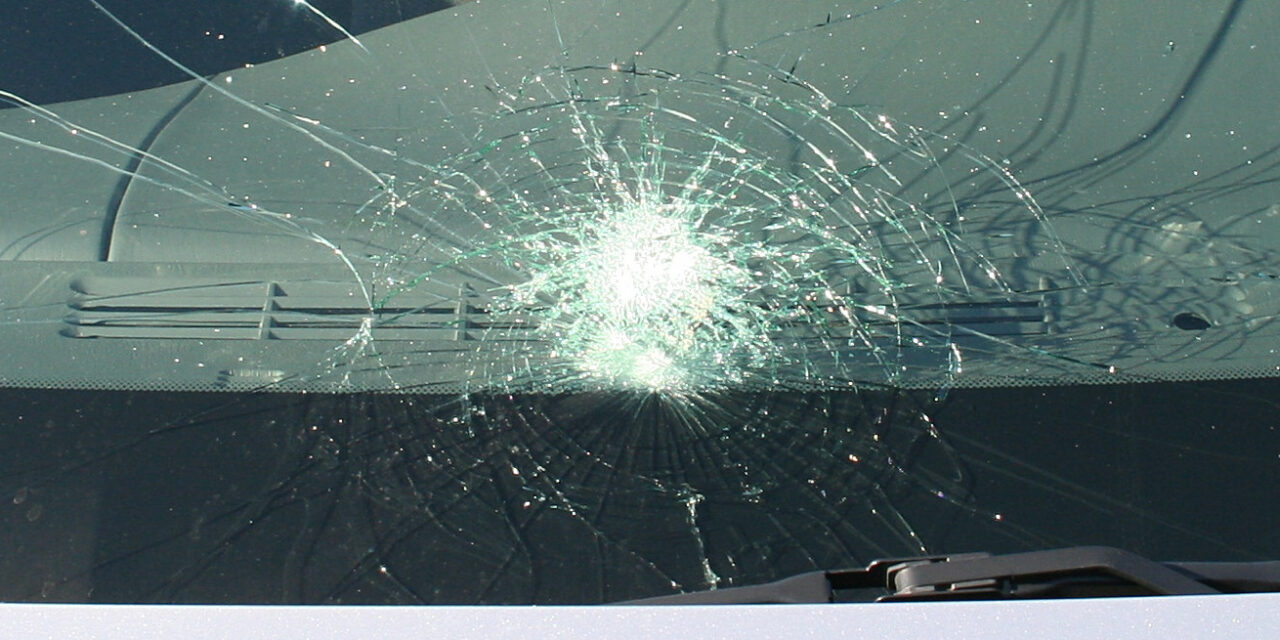
A windscreen chip can turn into a crack quickly, particularly after a cold night, a pothole or a hard slam of the door. If you have comprehensive car insurance, it is tempting to book the repair through the insurer immediately. The sensible first step is to check what your own policy says about glass claims.
A windscreen claim often does not reduce a no-claims bonus, but it is not a UK-wide rule. Many policies treat windscreen repair and replacement separately from an accident claim. Some say a glass claim will not affect the no-claims discount, while still charging a windscreen excess or limiting the cover. The wording in your certificate, schedule and policy booklet is what counts.
Do not confuse a windscreen claim with a fault claim
No-claims discount is a feature of an individual policy, not a legal entitlement with one standard set of rules. It normally reflects the claim history that insurer is prepared to recognise at renewal. A policy can therefore distinguish between:
- a windscreen repair carried out through an approved glass company;
- a replacement windscreen;
- damage caused in a collision, where there may also be a claim for bodywork or another vehicle; and
- glass damage dealt with outside the insurance altogether.
That distinction matters. A standalone chip repair may be recorded as a windscreen claim and leave the discount untouched under the policy. If the damaged screen is part of a larger collision claim, it may be handled with the rest of that claim instead. Do not rely on a friend’s experience or a comparison-site summary.
Five things to check before authorising the work
- Is windscreen cover included? Comprehensive cover does not automatically mean every extra is included. The Association of British Insurers notes that features such as windscreen cover can vary by policy.
- Will this type of claim affect your no-claims discount? Look for the windscreen or glass section and the no-claims section. If the wording is unclear, ask the insurer to confirm in writing or via its app chat before work is booked.
- What is the excess for repair and replacement? The excess can be different for each. A small chip repair may have no excess, while a replacement can attract one.
- Must you use an approved repairer? Insurers often arrange glass work through a named provider. Choosing another fitter without agreement can mean paying more yourself, or all of the bill.
- Does the screen need camera recalibration? Cars with a forward-facing camera behind the screen may need ADAS calibration after replacement. Confirm whether that work is included and whether the fitter can do it.
Repair, replace or pay yourself?
For a small chip, a prompt repair is often the cheaper and less disruptive route. Ask the glass specialist whether the damage is suitable for repair, rather than assuming it is just cosmetic. A crack, damage at the edge of the glass, or a chip in a critical viewing area can change the answer.
Paying privately can be worth considering when the repair price is comfortably below the policy excess, or when your insurer confirms that using a non-approved fitter would leave you out of pocket. That is a price comparison, not a shortcut around safety. Get a written quote and make sure the fitter is dealing with any required camera calibration.
Where the cost is higher than the excess, insurance can be the better route. Still check whether the policy puts a cap on glass cover, applies a separate excess, or makes a distinction between repair and replacement.
Can you drive with a cracked windscreen?
Do not make the insurance question a reason to keep driving with a screen that compromises your view. The Highway Code says windscreens and windows must be kept clean and free from obstructions to vision. A crack can also become an MOT issue depending on its size and position.
If the damage is in front of the driver, spreading, or clearly affecting what you can see, arrange advice from a reputable glass specialist and avoid driving until you know it is safe. Do not cover it with tape in the driver’s line of sight or wait for an MOT to decide the issue for you.
Will the claim show on your insurance record?
An insurer may keep a record of a windscreen claim even where its policy says the claim does not reduce that policy’s no-claims bonus. When getting a new quote, answer the insurer’s claims questions exactly as asked. Some quote journeys specifically ask about windscreen claims and some do not. If in doubt, declare it and ask the new insurer how it treats glass claims rather than guessing.
Protected no-claims bonus does not remove the need to read the glass section either. Protection generally relates to preserving a discount after a specified number of claims; it does not promise that premiums will not rise. The policy rules on glass, excesses and approved repairers remain separate.
A practical script for the call
Before booking, have the registration, policy number, location and a clear photo of the damage ready. Ask: “Is this covered as a windscreen claim? What excess applies to repair and replacement? Will it affect my no-claims discount or be recorded as a claim? Do I have to use your approved repairer, and is camera calibration included?”
Save the answer and the reference number. It takes a few minutes and avoids an unpleasant surprise at renewal or when the invoice arrives.
The bottom line
A windscreen claim can be a useful benefit of comprehensive insurance, but the effect on your no-claims bonus, your excess and your renewal record depends on the policy. Check the documents first, use the insurer’s approved route if that is required, and do not delay a repair when the damage affects safe visibility.
For general policy context, see the Association of British Insurers’ motor insurance guidance. For the legal requirement to keep a clear view, see Highway Code Annex 6.