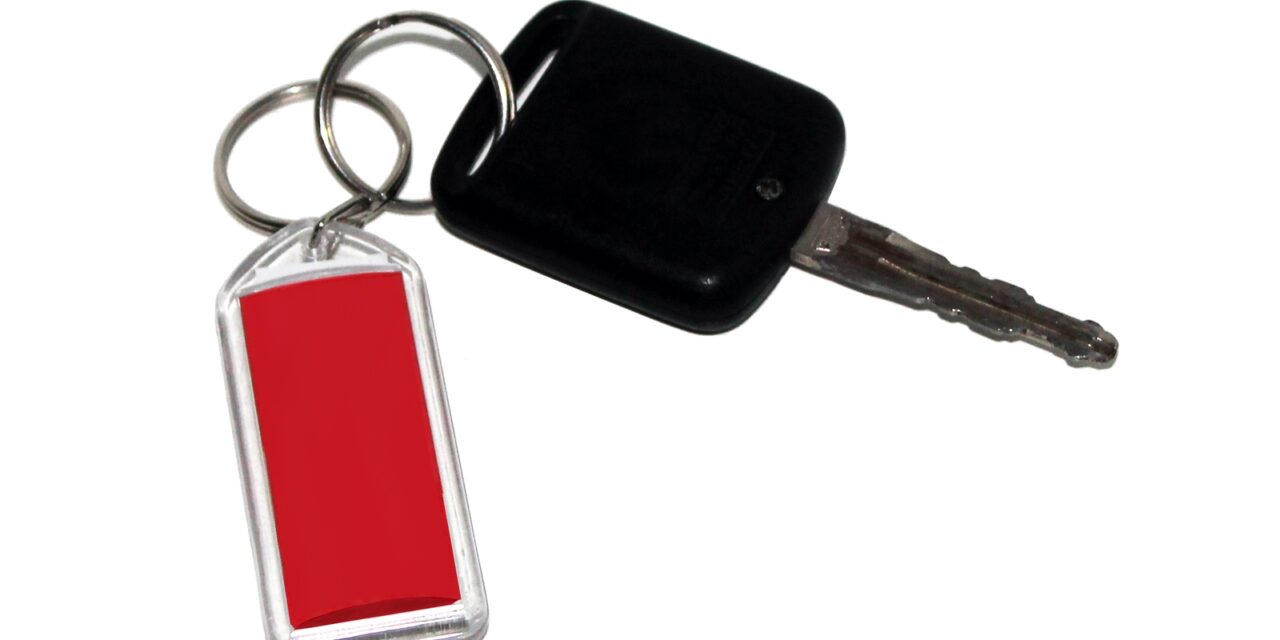
Losing a car key is expensive enough without guessing whether your insurance will pick up the bill. The honest answer is that it might, but comprehensive cover is not a universal promise to replace a lost fob. The policy wording, the reason the key disappeared and the cost after excess all matter.
If the key may have been stolen, act as though the car could be at risk before you get into a debate about a replacement. If it has simply vanished somewhere safe, the decision is usually more about policy cover versus the price of an auto locksmith.
The short answer
A policy may help with replacement keys, reprogramming or new locks after theft or loss, but this varies sharply between insurers and products. Key cover can be included, optional or absent. A comprehensive policy is the most likely place to find it, but the Association of British Insurers makes the wider point that comprehensive cover does not necessarily include every useful extra.
Third-party-only cover will not normally pay for your own replacement key. Third-party, fire and theft cover may respond if keys were stolen in an insured theft, but do not assume it covers a key that was merely lost. Read the certificate, schedule and policy booklet for the sections headed keys, theft, vehicle security, personal belongings or exclusions.
The practical rule is simple: do not order a £300 fob or authorise lock work until the insurer has told you what it will cover and whether it requires you to use an approved supplier.
Lost, stolen or damaged: why the distinction matters
Insurers may treat these three situations differently.
- Lost key: you cannot find it and there is no reason to think a crime took place. Some policies cover this through key cover, often with a limit. Others exclude it entirely.
- Stolen key: the key was taken in a burglary, robbery or theft. There may be cover for the key and, importantly, security work such as cancelling the old fob or replacing locks. The insurer may ask for a crime reference number.
- Damaged key: a snapped blade, water-damaged fob or failed remote is often treated as wear, accidental damage or a mechanical issue. It is not automatically an insurance claim.
Do not describe a theft as a loss, or the other way round, to make a claim fit. Give the insurer the facts, including whether the missing key was attached to an address label, car documents or anything that identifies where the vehicle is kept.
What to check before making a claim
A phone call can avoid a claim that saves very little. Have the policy number and registration ready, then ask these questions.
- Is loss of keys covered, or only theft? Ask the adviser to point you to the relevant policy section.
- What is the maximum payout? A limit that covers a basic spare may not stretch to a keyless fob, mobile call-out, programming and lock replacement.
- What excess applies? Key claims can have their own excess or use the policy’s standard excess.
- Must I use your locksmith, dealer or recovery provider? Get authorisation before committing to a supplier if the insurer wants to control the repair.
- Will you pay for reprogramming the missing key out of the car? This is a crucial question where theft is possible. A new physical key alone may not remove the old electronic fob from the vehicle’s memory.
- Will this affect my no-claims discount or future quotes? There is no one answer for every insurer. Ask whether the incident will be recorded as a claim even if the discount is not reduced.
- Do I need a crime reference number? Obtain one promptly if the key was stolen.
Make a note of the date, time and name of the person you speak to. If the answer is important to whether you spend money, ask for confirmation in the insurer’s app chat, email or claims notes.
When paying yourself can be the better move
An insurance claim is not automatically the cheapest route. First get a fully itemised quote from a reputable automotive locksmith and, if the car is new or unusually security-sensitive, a franchised dealer too. The quote should say whether it includes the blade, remote, transponder programming, call-out, VAT and deletion of any missing key.
Paying privately can be sensible when the full job costs less than, or only a little more than, the excess. It can also be the cleaner option if the policy excludes lost keys or if a claim would use up a limited key-cover allowance. That does not mean you should cut corners after a theft. The risk of an old key still opening or starting the car can be much more serious than the price difference between two quotes.
If you do pay yourself after a theft, keep the locksmith’s invoice and ask what has been changed in the vehicle’s key memory. It is useful evidence if there is later a dispute about the work.
A stolen key is a vehicle-security problem first
If somebody who took the key could identify your car or home, secure the vehicle before waiting for a routine appointment. Move it to a safe location if you can do so safely with a spare key, avoid leaving the V5C or address documents in it, and use a steering-wheel lock as an extra deterrent. Report the theft to the police through the appropriate non-emergency route, unless there is an immediate danger or crime in progress, when 999 is the right call.
Tell the insurer that it was stolen, not just unavailable. Ask whether it wants the car moved, whether it will authorise lock changes, and whether it will cover reprogramming. The ABI’s motor-insurance guidance also stresses keeping keys safe and taking practical vehicle-security precautions.
A locksmith or dealer should be able to explain, for your make and model, whether the missing remote can be deleted from the car and whether the mechanical locks also need attention. Get that answer in writing where possible.
Could a key claim affect your no-claims bonus?
Possibly. No-claims discount is a feature of your own policy rather than a single UK-wide entitlement. Some insurers may treat a key claim separately, while others may record it as a claim or ask about it at the next quote. The fact that an insurer pays no money because the claim falls below the excess does not answer every future disclosure question either.
Read the wording and answer future quote questions exactly as asked. If a new insurer asks about claims or incidents, and you are unsure whether a key claim counts, disclose it and ask. A cheap quote is not worth risking a dispute later over an incomplete answer.
Do not assume breakdown cover will solve it
Breakdown cover can be valuable when the car is stranded, but it is not the same as key insurance. Some products offer a limited key-recovery service, while others only recover the vehicle and leave replacement, coding and locks to you. Check whether your membership covers a lost key at home, a call-out, onward travel, or none of those things.
Likewise, a packaged bank account or standalone key policy may offer benefits, but check for duplicate cover, claim limits, excess and cancellation terms before claiming through two products. You should not be left paying for cover you cannot actually use.
If the insurer refuses the claim
Ask for the decision and the policy clause in writing. Compare it with the schedule and the documents that applied when the incident happened. If you think the insurer has misunderstood the facts or overlooked cover, make a formal complaint to it first and keep copies of your call notes, crime reference, locksmith quote and invoices.
If the complaint is not resolved, the independent Financial Ombudsman Service can consider insurance complaints using evidence from the customer, the business and relevant third parties. It is not a shortcut to cover that was never bought, but it is there when you believe a claim has not been handled fairly.
The best prevention is a working spare
The least stressful time to arrange another key is while you still have one that works. A spare makes programming simpler, reduces the chance of recovery costs and gives you breathing room if the main fob fails. Keep it somewhere secure, away from the car and away from documents that identify the vehicle or your address.
If you are buying a used car with one key, factor a second programmed key into the purchase cost rather than treating it as a minor future job. On many modern cars it is part of the car’s security kit, not just a convenience.
Bottom line: check your policy before spending, but do not let an insurance question delay sensible security steps. A lost key may be an out-of-pocket locksmith job. A stolen key that can be linked to your car is a reason to speak to the insurer, police and a properly equipped locksmith promptly.