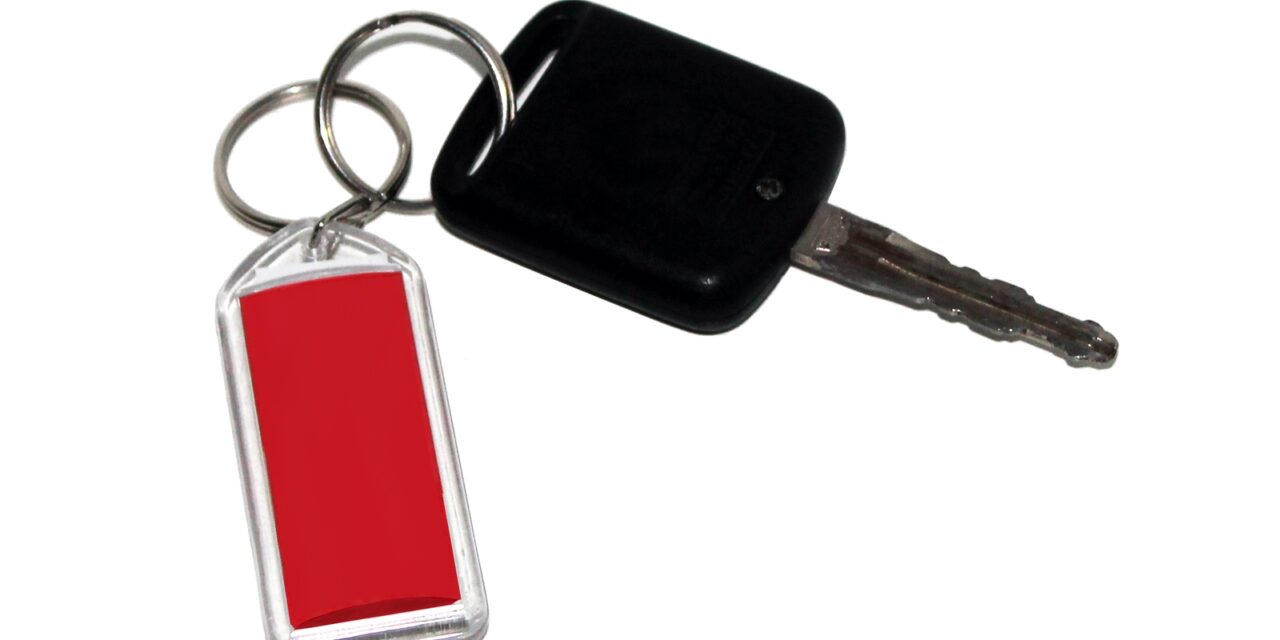
A used car with only one key is not automatically a bad buy, but it is never something to shrug off. On an older car, the missing spare may be a minor cost and a useful bargaining point. On a newer keyless model, it can turn into a security question, a programming job and a much bigger bill than buyers expect.
If you are looking at a used car that comes with one key, the smart move is to treat it as a due diligence item before you pay a deposit, not an irritation to sort out later.
The short answer
A one-key used car can still be worth buying if the rest of the car stacks up, but you should do three things before you commit: find out why the spare is missing, price a proper replacement for that exact model, and make sure the missing key issue is reflected in the deal.
Honest John says one key should not automatically rule a car out, especially because an automotive locksmith may be able to supply and code a duplicate and, in some cases, deactivate old keys for less than a main dealer. That is the sensible starting point, not a blind yes or no.
Why one missing key matters more than buyers think
A missing spare is about more than convenience. It can affect:
- Cost: RAC says a replacement or spare car key is typically around £250 to £300, with higher costs possible for keyless cars and programming work
- Security: if a previous key is still active, you need to know whether it can still unlock or start the car
- Resale value: the next buyer may ask the same questions you are asking now
- Hassle: some replacements can be sorted quickly, while others can take days or even weeks depending on the make and model
The AA also notes that replacement fob keys can be pricey because they need to be programmed to the car, and you may need proof of ownership such as your driving licence and V5C to get a new one ordered.
First, ask why the second key is missing
There is a big difference between a seller who says, "We only got one with the part exchange" and one who gives a vague answer or seems irritated that you asked.
Reasonable explanations do exist. The previous owner may have lost the spare, a part exchange may have arrived incomplete, or the second key may be sitting with a former keeper and simply never made it back into the deal. But the answer still matters.
Ask these questions directly:
- Was the car taken in with only one key, or has a key been lost while it has been in stock?
- Has the dealer already priced a replacement?
- Can they supply a second working key before collection?
- If not, will they reduce the price enough to cover the real replacement cost?
- On a keyless car, can the missing key be removed from the system when the new one is programmed?
If the answers are woolly, that tells you something about the dealer as much as the key situation.
Do not guess the replacement cost. Price the exact key before you leave a deposit
This is where buyers often go wrong. They assume a spare key is a quick £50 cut at a kiosk. Sometimes it is nothing like that.
Modern keys may involve:
- the physical blade
- the remote locking fob
- transponder coding
- keyless entry programming
- deactivating missing keys, if possible
RAC’s current guidance puts a replacement or spare at roughly £250 to £300 in many cases, and notes that the price can rise with the make, model, age and complexity of the system. That is a useful benchmark, but not a quote.
Before you commit, get an actual figure from either:
- the brand’s main dealer
- a reputable local automotive locksmith
If the car is premium, keyless or unusual, get both. A cheap-looking deal can stop looking cheap very quickly if the key job turns into a several-hundred-pound extra.
On keyless cars, ask the security question properly
With an ordinary old-style key, the problem is usually cost and inconvenience. With a newer push-button-start car, the bigger issue is what happens to the missing key.
Honest John points out that some automotive locksmiths can not only provide and code a duplicate, but in some cases deactivate any other keys so the ones in your possession are the only ones that work. That is the outcome you want clarified.
Do not settle for a casual, "It will be fine." Ask whether the missing key can still:
- unlock the car
- start the car
- trigger keyless entry functions
If the dealer cannot explain the plan, speak to a franchised dealer or automotive locksmith yourself before you buy.
When one key is a negotiating point, not a deal-breaker
A one-key car is often still worth pursuing if:
- the car is otherwise clean, well-priced and properly documented
- the seller is open about the issue
- you have a realistic replacement quote in hand
- the numbers still work after allowing for the key cost
This is especially true on mainstream used cars where an independent automotive locksmith can sort the job without too much drama.
A fair negotiation usually means one of two things:
- the dealer supplies a second working key before handover
- the dealer reduces the price enough to reflect the real cost and inconvenience
If they offer a token discount that would not come close to covering replacement and programming, you are effectively paying the missing-key bill yourself.
When you should be much more cautious
Walk away, or at least slow the deal right down, if:
- the car is a newer keyless model and nobody can tell you how the missing key will be handled
- the seller gets defensive when you ask sensible questions
- the V5C, service history or ownership story already felt messy
- the dealer will not put anything in writing
- the replacement cost makes the car poor value compared with similar cars that come with two keys
This matters most on expensive used cars, prestige brands and anything theft-sensitive, where a missing key is more than a small annoyance.
Get the promise in writing
If a dealer says they will provide a second key after the sale, make sure that promise is written into the invoice or order form. Verbal assurances are not much use once the deal is done and you are chasing someone who has already been paid.
The paperwork should state:
- whether the car is being supplied with one key or two
- whether a second key will be provided later
- who is paying for it
- whether programming and coding are included
That matters just as much as checking the paperwork covered in our used car paperwork checklist or deciding whether the free DVLA check is enough before you buy.
Dealer or locksmith: which route makes more sense?
There is no universal winner.
A main dealer may be the safer route for very new, high-spec or brand-sensitive cars, especially if complex keyless systems are involved. An experienced automotive locksmith may be faster and cheaper on many mainstream used cars, and Honest John specifically notes that locksmiths can sometimes supply and code duplicates and deactivate old keys for less than a main dealer.
The right answer depends on the exact car, not a rule of thumb.
A sensible buyer’s checklist for a one-key used car
Before you say yes, make sure you have done all of this:
- asked why the second key is missing
- confirmed whether the car is being sold with one key or two
- priced a replacement for that exact registration, make and model
- asked whether the missing key can be deactivated
- agreed any discount or replacement-key promise in writing
- checked the rest of the car properly so the missing key is not one of several warning signs
The bottom line
A used car with one key is not automatically a no, and it is not automatically a bargain either. Treat it as a cost, security and trust test. If the seller is straight with you, the replacement route is clear and the figures still make sense, it can be a perfectly sensible buy. If the answers are vague and the savings are not real, there are plenty of other used cars out there.
In other words, do not buy the excuse. Buy the plan.