You have bought or renewed your car insurance, the payment has gone through, and then the online check still shows the car as uninsured. That is the sort of result that can make a driver think something has gone badly wrong.
In many cases, it is a delay rather than a failed policy. But it is still worth taking seriously, because UK rules on keeping a vehicle insured do not disappear just because a database has not caught up yet.
Here is what usually causes the mismatch, how long it can take to clear, and when it is time to stop waiting and chase your insurer.
First, which checker should you use?
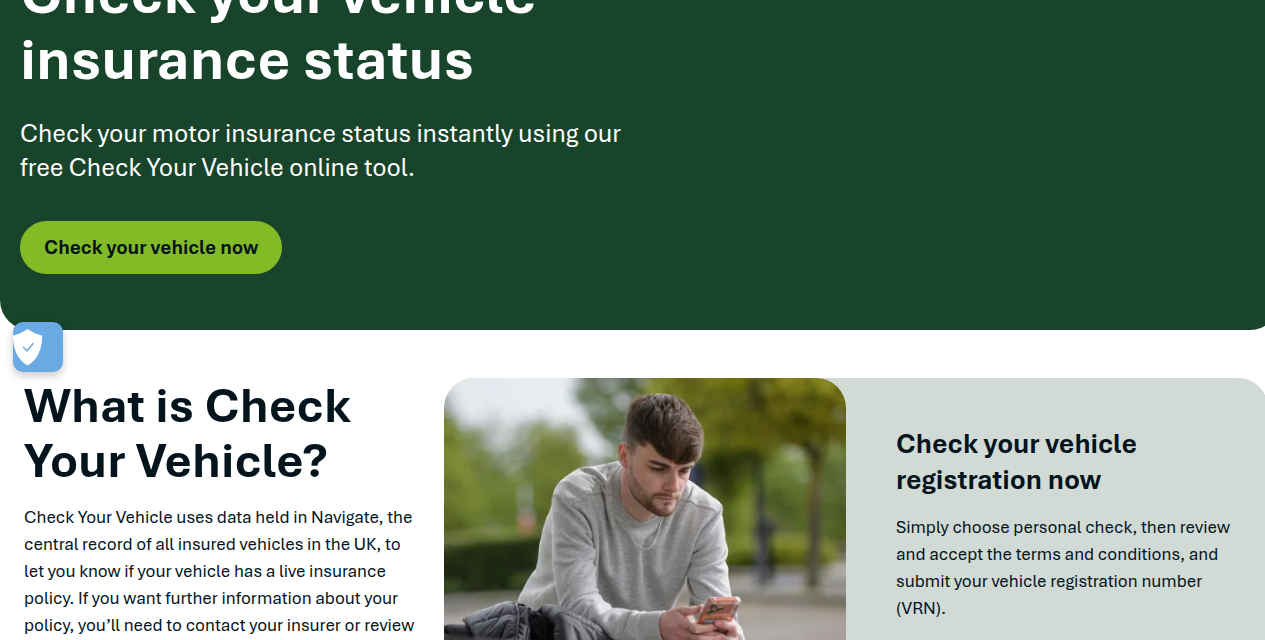
The Motor Insurers’ Bureau now points drivers to its free Check Your Vehicle service, which uses data held in Navigate, the central record of insured vehicles in the UK. Many drivers still refer to this as askMID, and GOV.UK still points people toward askMID for an insurance check.
The key point is simple. If you want to confirm whether your own vehicle is showing as insured, use the official MIB route rather than a random comparison site or forum tip.
If your result says not insured, do not assume the policy has failed
MIB says there are many reasons a vehicle may show as uninsured even when the driver believes cover is in place. Its current guidance is especially useful for people who have recently bought or renewed insurance.
According to MIB, if you have recently bought or renewed cover, your vehicle may temporarily show as uninsured. Its advice is to run another search after seven days and, if the car still does not show as insured, contact your insurer for advice. MIB also says it is best to keep your policy details with you until Navigate shows the vehicle as insured.
That seven-day point matters because it gives drivers a realistic window before they assume there is an admin mistake, a failed policy start, or a registration mismatch.
The most common reasons your car still shows uninsured
1. The database has not updated yet
This is the obvious one, and it is often the correct answer. A policy can be live before every external system reflects it.
If you have only just:
- started a new annual policy
- renewed an existing policy
- changed the registration on cover
- transferred a policy to a different car
- arranged same-day cover before collection
there can be a lag before the public-facing check catches up.
2. The registration number has been entered wrongly
One digit or letter out is enough to create a problem. The insurer may have the wrong registration, or you may have mistyped it when checking. This is worth ruling out early because it is easy to miss, especially with similar-looking characters.
3. You changed cars and assumed the old policy updated instantly
Plenty of drivers swap cover to a new car and assume the insurer, the certificate and the database all move in lockstep. Real life is messier. The insurer may have accepted the change, but the record seen by the checker can take longer to refresh.
4. The policy has conditions or admin issues still being processed
If there is an outstanding document request, a payment problem, a discrepancy over the vehicle, or a cooling-off cancellation in motion, the position can be less straightforward than a simple update delay. This is one reason it is smart to keep the policy schedule, certificate and any confirmation emails handy.
Can you still drive if the checker says not insured?
This is where drivers need to stay calm and avoid turning a database issue into a roadside problem.
A public insurance check is useful, but it is not the whole story. MIB itself says an insured result only confirms that a live policy exists against the vehicle. It does not prove that the policy is the correct one for how the vehicle is being used.
The reverse is also worth understanding. A temporary mismatch on the checker does not automatically mean you have no cover, if your insurer has already placed the policy on risk. What matters is the actual policy position with the insurer.
That said, you should not bluff this. If the online result worries you, check your insurer’s confirmation carefully. If anything looks off, do not drive until the insurer confirms the car is covered.
Why this matters more than most drivers realise
GOV.UK says you do not need insurance only if the vehicle is kept off the road and declared SORN. That is the basis of continuous insurance enforcement.
If you are the registered keeper of an uninsured vehicle that has not been declared off the road, GOV.UK says you could:
- be fined £100
- have the vehicle wheel-clamped, impounded or destroyed
- be taken to court where the maximum fine is £1,000
And if you are actually caught driving uninsured, GOV.UK says the police can issue a £300 fixed penalty and 6 penalty points. In more serious cases, the vehicle can be seized and the court penalties are worse.
So even if your situation turns out to be just a slow update, it is sensible to treat it as something that needs checking rather than something to ignore.
What to do if your car is not showing as insured
Check the basics first
Before you contact anyone, confirm:
- the registration number on your policy documents is correct
- the policy start date is definitely today or earlier
- the vehicle details match the actual car
- the payment has gone through
- there has not been a cancellation email or failed Direct Debit notice
Wait a sensible amount of time if the policy is brand new
If you only bought or renewed cover very recently, MIB’s own guidance is the best rule of thumb here. Recheck after seven days rather than repeatedly refreshing every hour and assuming disaster.
Keep evidence of cover with you
Until the database catches up, keep your certificate, schedule, welcome email or app confirmation easy to access. MIB specifically advises keeping your policy details with you until Navigate shows the vehicle as insured.
Contact the insurer if the result still has not changed
If seven days have passed and the car still shows as uninsured, contact the insurer and ask them to confirm:
- the policy is live
- the registration mark is correct
- the vehicle appears correctly on the data they supply
- there are no outstanding issues holding the record back
Be direct. This is not the moment for vague phrasing like "I think something may be wrong". Tell them the official checker still shows no live insurance and ask them to investigate the database record.
What if you have just bought the car?
This is one of the situations where drivers get caught out. Same-day insurance, dealer handovers and last-minute policy changes can all create timing issues.
If the insurer has confirmed the policy is active from the agreed time, that is more important than whether the public check has refreshed yet. But because collection-day admin can be messy, this is one of the cases where keeping the insurer’s written confirmation matters most.
It is also wise to double-check that the insurer has covered the exact registration you are taking away, especially if a dealer has changed plates, registered the car very recently or corrected a detail late in the process.
What not to do
Do not rely on guesswork
If the result says not insured, and you do not have solid confirmation from the insurer, do not assume it will be fine.
Do not confuse an insured car with a valid use case
Even when the checker shows insured, that does not confirm the policy fits what you are doing. Business use, commuting, named-driver restrictions and vehicle changes still matter.
Do not leave an uninsured keeper issue hanging
If the vehicle is genuinely off the road and not being used, sort the SORN position. If it is meant to be insured, sort the insurance record. Sitting in the middle and hoping nobody notices is a poor plan.
The practical bottom line
If your car still shows uninsured just after you have bought or renewed cover, the most likely explanation is a delay in the database rather than a total policy failure.
MIB’s own guidance is to check again after seven days and contact your insurer if the vehicle still does not show as insured. In the meantime, keep your policy details with you, verify the registration and start date, and do not drive if the insurer’s own paperwork leaves any doubt about whether cover is actually live.
That approach is calmer than panic, and a lot safer than assuming the system will sort itself out.