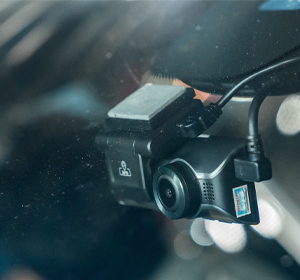
A dash cam can be a very sensible buy in the UK, but not for the reason many drivers assume. The strongest case for fitting one is usually evidence, not a guaranteed insurance discount.
That matters because plenty of people start shopping for a dash cam expecting an easy premium cut, then realise the market is much messier than that. Some insurers and specialist schemes do offer discounts. Many do not. Others may value the footage when a claim happens, but that still does not mean they will lower your renewal price just because a camera is stuck to the windscreen.
If you are thinking about buying a dash cam mainly to save money on insurance, here is the reality in plain English.
The short answer
A dash cam can reduce car insurance costs in the UK, but it is not standard across the market and it is rarely a magic button for cheaper cover.
Uswitch says some insurers offer specific dash cam discounts, while others simply recognise the value of footage during a claim. Nextbase’s insurance page goes further and says customers using its partner panel could save over £100, with quotes routed through insurers including AXA, KGM and Ageas.
Put simply, discounts exist, but they are selective rather than universal. If you buy a dash cam and assume every insurer will reward you for it, you will probably be disappointed.
Where a dash cam really earns its keep
The biggest practical benefit is that it can make liability disputes much easier to sort out. If another driver pulls out, changes lane into you, denies what happened or disappears after a bump, usable footage can turn a messy argument into a much shorter conversation.
That is why dash cams still matter even when the quote itself does not move much. Good footage can help you:
- support your version of events after a collision
- challenge an unfair blame split
- deal with disputed low-speed knocks in car parks or traffic
- give your insurer clearer evidence earlier in the claim
Nextbase leans heavily on that point, calling the dash cam an independent witness and saying it has seen hundreds of cases resolved more efficiently because of footage. That is marketing language, obviously, but the underlying point is fair: evidence is often worth more than a token discount.
Why the savings are not guaranteed
Insurers price risk using far more than one accessory. Your age, postcode, car, annual mileage, claims history, occupation, where the car sleeps overnight and the insurer’s own appetite for that type of customer usually matter much more.
So even if a provider likes dash cams, the discount can be small, hidden inside the wider quote, or cancelled out by other pricing changes. You may also find that one insurer gives no dash cam credit at all, while another only does so through a specific scheme rather than its standard comparison-site pricing.
That is why the best test is boring but effective: run the quotes and compare the real numbers.
How to check whether a dash cam will actually help your quote
Before you spend the money, do this:
- Price your insurance as normal.
- Check whether your existing insurer asks about dash cams at all.
- Look at specialist dash cam insurance offers, including manufacturer-linked schemes if they are competitive.
- Compare the total cost, not just the headline premium.
- Factor in the camera, fitting kit and any hardwiring cost.
That last point gets missed all the time. A dash cam that saves you £25 a year is not really saving you money if the camera, memory card and install cost £180 and you only bought it for the discount. It may still be worth having for evidence, but that is a different argument.
The legal bit that drivers should not ignore
A dash cam should not block your view. Regulation 30 of the Road Vehicles (Construction and Use) Regulations 1986 says a driver must at all times have a full view of the road and traffic ahead, and that glass or other transparent material must not obscure the driver’s vision.
In practical terms, that means fitting matters. A cheap camera mounted badly can create a problem that wipes out the benefit of owning it. Keep the unit neat, keep cables tidy and place it where it does not intrude into your normal field of view.
If you are hardwiring it, a clean installation is usually worth the extra effort. It looks better, avoids dangling leads and makes it more likely you will leave the camera in place and actually use it.
What insurers tend to care about more than the badge on the camera
The exact brand matters less than whether the footage is useful and the setup is sensible. If you are buying a dash cam with insurance in mind, these points matter more than flashy marketing:
Clear footage in ordinary British conditions
You want a camera that can cope with grey mornings, wet roads, winter darkness and dirty windscreens. If footage is blurry or plates are unreadable unless the sun is shining, it is not doing the job you bought it for.
Reliable loop recording
A dash cam is only useful if it records when you need it. Loop recording, a dependable memory card and simple file saving after an incident matter more than gimmicks.
A mount that stays put
A camera that falls off, vibrates or shifts angle every few days quickly becomes dead weight.
Sensible parking coverage if you need it
If your car spends nights on the street or in a public car park, parking mode or rear coverage may be more valuable than paying extra for headline video resolution.
Straightforward app or file access
When you need footage, you usually need it without messing around. A simple export process is a real advantage.
If you want model ideas rather than just insurance advice, Motoring Mojo already has a guide to budget dash cams under £100 and specific picks for a Ford Fiesta and a Volkswagen Golf.
When a dash cam is especially worth fitting
Even without a major discount, a dash cam makes more sense if you:
- drive in heavy urban traffic regularly
- commute at busy peak times
- park on the street
- use a car for work
- own a car that would be awkward or expensive to repair after even a minor crash
- want cleaner evidence if another driver’s version of events changes later
For these drivers, the claims-side benefit can be stronger than the premium-side benefit.
When it is probably not worth buying one just for insurance savings
A dash cam is a weaker buy if your only goal is a cheaper quote and you have not checked whether your insurer values it. The same goes if you are looking at a poor-quality camera from an unknown brand, or if the discount on offer is tiny compared with the upfront cost.
There is nothing wrong with deciding that you would rather spend the money elsewhere. The mistake is buying a camera on the assumption that it automatically pays for itself through insurance. That is simply not how most UK quotes work.
The smart way to think about dash cams in 2026
Treat any insurance discount as a bonus, not the whole case for purchase. The real value is that a good dash cam can protect your position when something goes wrong, especially when liability is disputed and memories become conveniently selective.
If a quote saving appears as well, great. If it does not, you have still bought something that can be useful on the worst day of your motoring year, which is usually a better test of value anyway.
Bottom line
Dash cams can cut car insurance costs in the UK, but only in parts of the market and not nearly as consistently as many drivers expect. Buy one because you want better evidence, cleaner claim support and a sensible extra layer of protection. Then shop around to see whether any insurer will also reward you for fitting it.
That way, if the premium drops, you win twice. If it does not, you have still made a practical upgrade rather than an expensive misunderstanding.