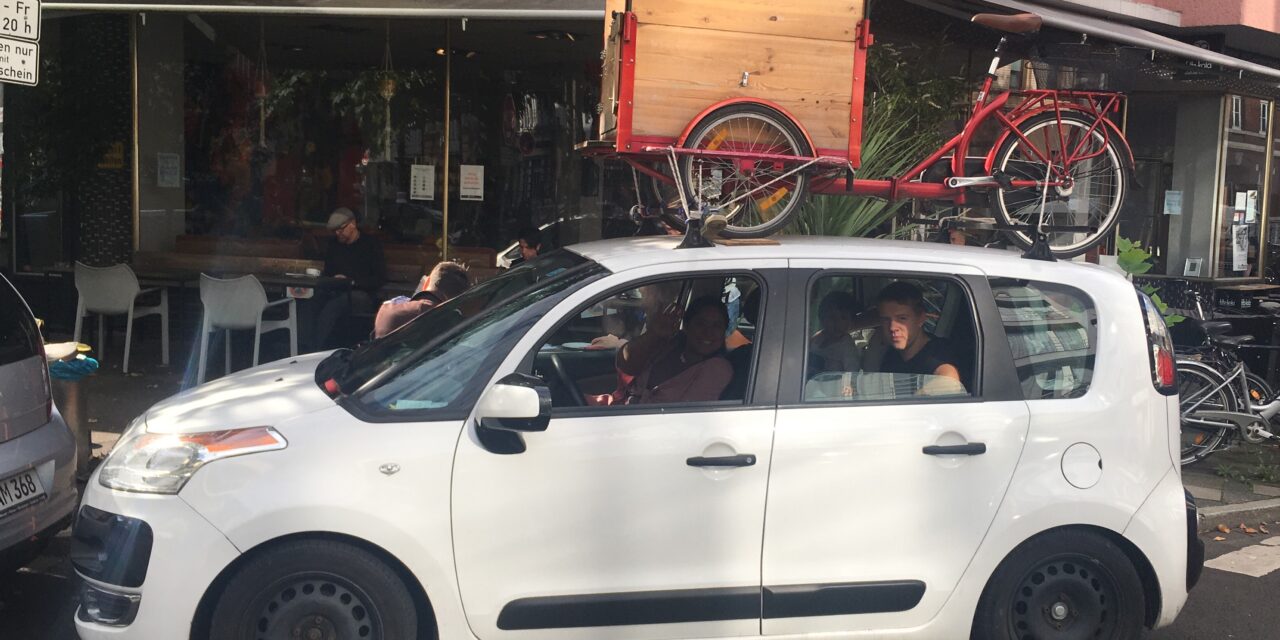
A roof box is a sensible answer to a crowded boot, but it is easy to load one according to the box’s biggest number and overlook the limit that matters more: the car’s permitted roof load. That can turn a relaxed family departure into an overloaded roof, an insecure load or a very noisy motorway journey.
Before putting a suitcase overhead, find the limits for the car, the roof bars and the box. The safe payload is governed by the lowest applicable figure, not the most generous one printed on a product page.
Start with the car’s roof-load figure
Look in the vehicle handbook, not just the roof-box instructions. Manufacturers publish a maximum roof load for a specific model, and it may differ between versions of what appears to be the same car. A panoramic roof, different roof rails or a different model year can change the approved setup.
Read the handbook’s wording carefully. The vehicle figure commonly relates to the whole load carried on the roof, so the bars, feet or fitting kit, the box and its contents may all need to be counted. Do not assume that a 75kg roof limit means 75kg of holiday luggage. If the handbook is unclear, ask the manufacturer or dealer for the applicable limit for the registration number or VIN before loading the car.
Then check the bars and the box separately
There are several ratings in play:
- Vehicle roof limit: the maximum the car is approved to carry on its roof.
- Roof-bar and fitting-kit rating: the maximum for that exact bar, foot and vehicle combination. A universal-looking bar is not automatically suitable for every roof.
- Roof-box load rating: the maximum contents the box is designed to carry, as stated by its maker.
- Box dimensions and opening side: not a weight rating, but important for clearance, access and whether it interferes with the tailgate.
Use the lowest relevant limit. For example, a box may be capable of carrying more than the car roof is allowed to support. That does not give the car a higher roof-load allowance. Equally, a bar system can be the limiting component even where the vehicle handbook quotes a bigger number.
Do the simple weight calculation before loading
Weigh the equipment if you do not know its exact mass. Add the bars and fitting kit, the empty box and everything that will go inside it. Bathroom scales and a little patience are better than guessing with a full suitcase at the kerb.
Keep a margin rather than packing exactly to the published maximum. The practical benefit is not only caution over the limit. A lighter roof load is easier to fit securely, puts less strain on fixings and reduces the top-heavy feel of the car.
Heavy items such as tool kits, bottled drinks, tents with metal poles and dense bags of shoes are usually better low down in the car, provided they are also secured. A roof box is best used for lighter, bulky things: bedding, coats, soft bags, sleeping bags and pushchair accessories. Follow the box maker’s packing instructions where they specify weight distribution.
Secure the load, not just the lid
The box must be correctly attached to the bars and its contents should not be able to move around freely. Use the supplied straps or tie-down points as the manufacturer instructs. Close the lid without forcing it, make sure every latch has engaged and remove the key if the box design requires this before it will lock properly.
The legal baseline is straightforward. Highway Code Rule 98 says drivers must not overload a vehicle and must secure a load so it does not stick out dangerously. A locked roof box does not remove that responsibility. Loose contents can affect the box, and an improperly fitted box can become a serious road hazard.
A five-minute fitting check before every journey
- Confirm the fit: check that the bar feet are in the specified positions and the box clamps are fully engaged around the bars.
- Pull, do not just look: with the lid shut, use firm hand pressure at several points to check that the box does not shift on the bars. Do not use enough force to damage it.
- Check the clearances: open the tailgate carefully, check aerial and roof-rail clearance, and make sure the box has not obscured lights or the number plate.
- Lock the box: verify every catch, not only the one nearest you. Keep the spare key accessible, but not loose inside the box.
- Recheck after the first stretch: stop safely after a short distance and inspect the fixings again, especially after fitting a box for the first time or loading it differently.
Change the way you drive
A loaded roof box changes the car’s height, weight distribution and resistance to side winds. It can make the vehicle less settled in gusts, when passing lorries and on exposed bridges. Slow down smoothly, leave more room for braking and avoid abrupt steering inputs.
Height is the number many drivers forget. Measure or note the total vehicle height once the box is fitted, then keep it in mind for multi-storey car parks, low bridges, hotel canopies, ferry decks and height barriers. The box maker may quote its own height, but the final figure depends on the car and bars beneath it.
Also follow the lower of the vehicle, bar-system and box-maker speed recommendations. Do not treat a motorway speed limit as a target for a fully loaded car with a large object on the roof. Strong winds, heavy rain and a noisy or shifting load are all reasons to reduce speed and reassess.
Do you need to tell your insurer?
Portable roof bars and a removable roof box are not necessarily treated in the same way as a permanent vehicle modification, but insurers do not all ask the same questions. Read the policy wording or ask before a long trip, particularly if the bars are permanently fitted, expensive or have altered the vehicle. The bigger issue after an incident is likely to be whether the equipment was suitable, fitted correctly and used within its limits.
When to take the roof box off
Remove it when the trip is over unless there is a good reason to leave it on. An empty box still adds height and wind resistance, can create wind noise and gives you one more clearance issue to remember. Taking it off also gives you the chance to inspect the clamps, locks and bars before the next journey.
The useful rule: do not load to the roof box’s advertised capacity until you have checked the car’s roof limit, the exact bar system and the box instructions. Pack the heavy items low, secure the lighter items overhead, then check the whole installation again after setting off.
For more pre-trip preparation, see our guide to checking whether your car has a spare wheel and the UK paperwork checklist for driving to Europe.