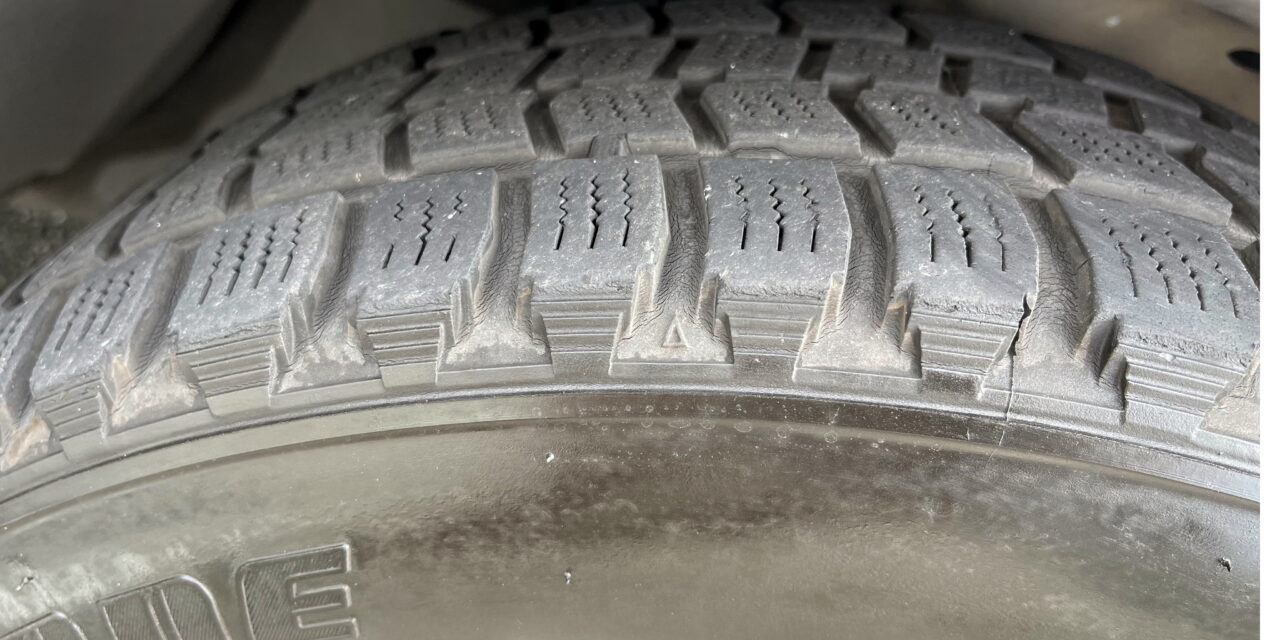
A sudden warm spell does not turn a car on winter tyres into an illegal car. There is no UK rule that makes you change to summer tyres on a particular date. But legality is a low bar. The more useful question is whether those tyres still suit the temperatures, journeys and loads your car is now facing.
For many drivers, the sensible answer is to swap back once cold weather has passed. Winter tyres are designed around cold, wet and snowy conditions. In prolonged warmer weather they can wear faster and may not give the same steering, braking and stability response as a summer tyre designed for warmer roads. If your car only sees short urban trips and the tyres are in excellent condition, there is no need to panic. If it is about to do a hot motorway holiday run, it is worth making a deliberate choice rather than simply forgetting they are fitted.
Are winter tyres legal in summer in the UK?
Yes, provided the tyres themselves are legal and suitable for the vehicle. The UK does not impose a seasonal changeover date. The relevant law is about condition and suitability, not the month on the calendar.
Under Regulation 27 of the Road Vehicles (Construction and Use) Regulations 1986, tyres must be suitable for the use to which the vehicle is being put, maintained in a safe condition and free from defects that make them unfit for use. The rules also place limits on mixing tyre construction types on the same axle. A winter tyre does not fail those tests merely because it is June.
You must still meet the usual legal standards. For cars, tread must be at least 1.6mm across the central three-quarters of the tread and around the entire circumference, with no serious cuts, bulges or exposed cords. The tyre size, load rating and speed rating must also be appropriate for the car and its intended use.
Why a winter tyre is not a year-round equivalent to a summer tyre
Winter tyres are made to remain pliable in colder conditions and their tread pattern is built to find grip in cold wet weather, slush and snow. That is their advantage when temperatures drop. The trade-off is that the same compound and tread design are not usually the best match for sustained warm, dry running.
In practical terms, leaving winter tyres on through a warm summer can mean:
- faster wear, especially on heavy cars, EVs and motorway mileage
- less crisp steering response
- longer braking or less assured handling than a comparable summer tyre in warm conditions
- more road noise or a small fuel-consumption penalty on some cars
The size of the difference depends on the tyre model, temperature, road surface and car. Do not assume every winter tyre suddenly becomes poor when the thermometer reaches a particular number. Equally, do not assume a legal tyre is automatically the best tyre for a family car loaded for a summer trip.
Check the sidewall before deciding
Look at all four tyres, not just the front pair. Confirm the size, load index and speed symbol match the vehicle handbook or tyre-pressure label. This matters particularly if the winter set was bought with a lower speed rating than the normal summer tyres. Some manufacturers allow a different winter specification, sometimes with a speed warning label in the driver’s view, but the vehicle handbook is the authority for your particular car.
Also check the date code and tread depth. A tyre that is legal at 1.6mm may be too close to replacement to make storing, swapping and refitting worthwhile. Ask the tyre fitter to measure each tyre and give you the figures. That makes the decision far easier than judging the grooves by eye.
For a refresher on the numbers printed on the sidewall, see our guide to tyre size, load index and speed rating.
When keeping them on can be reasonable
There are situations where changing immediately is not the best use of money. Keeping winter tyres fitted for a little longer can be reasonable if:
- the weather is still consistently cold where you drive, particularly on early-morning rural routes
- you have only modest mileage before the next planned tyre change
- the tyres are in good condition and correctly specified for the vehicle
- you are not about to do long, fast or heavily loaded warm-weather journeys
That is a practical judgement, not permission to ignore condition. Check pressures cold, inspect the shoulders and sidewalls, and do not overlook the spare or repair kit. If you are unsure whether two tyres should be replaced together, read our guide to replacing two tyres and why the new pair usually goes on the rear.
When a swap is the better move
Book the changeover if you expect regular warm-weather motorway miles, towing, a fully loaded holiday journey or enthusiastic driving on dry roads. It is also sensible if the winter tyres are wearing quickly, feel vague or noisy, or have already reached a tread depth at which you would not want to store them for another season.
Do not let a tyre shop fit whatever is cheapest without checking the exact specification. The tyre should meet the vehicle maker’s requirements for size, load and speed, and tyres on the same axle should be a compatible pair. If your car is fitted with run-flats, check the handbook and wheel set-up before changing type. Our run-flat tyre guide covers the extra checks.
All-season tyres may suit the UK better
If the annual ritual of storing two sets sounds excessive, all-season tyres are worth considering. They are a compromise, not a magic answer. A good all-season tyre can be a very sensible fit for a typical UK driver who faces rain, occasional frost and perhaps a little snow, but does not regularly drive in deep snow or on very hot roads at high speed.
Look for a tyre carrying the three-peak mountain snowflake symbol if winter capability matters, compare independent test results for the exact size you need, and make sure it has the correct load and speed ratings. A low price is not a substitute for the right specification. Our all-season tyre guide explains the trade-off in more detail.
How to store a removed winter set
If you switch back to summer tyres, label each removed wheel by position, clean off road grit and check for nails or sidewall damage before storage. Keep tyres in a cool, dry, dark place away from solvents, fuel, electric motors and direct sunlight. Wheels can be stacked or hung; unmounted tyres are better stored upright and turned occasionally. Ask the fitter for the measured tread depth on collection so you know whether the set is likely to be worth refitting next winter.
The bottom line
Winter tyres are legal in a UK summer if they remain roadworthy and correctly specified, but that does not make them the best long-term choice for warm-weather driving. Check their condition, speed and load rating, think honestly about the journeys ahead and choose the set that suits them. If you are in doubt, a reputable tyre specialist can check the vehicle placard and the tyre sidewalls before you spend money on a swap.
This is general motoring information, not vehicle-specific advice. Always follow the tyre specification and pressures stated by your vehicle manufacturer.