Thinking about a used Mazda CX-5? Why the petrols suit more UK buyers than the diesels
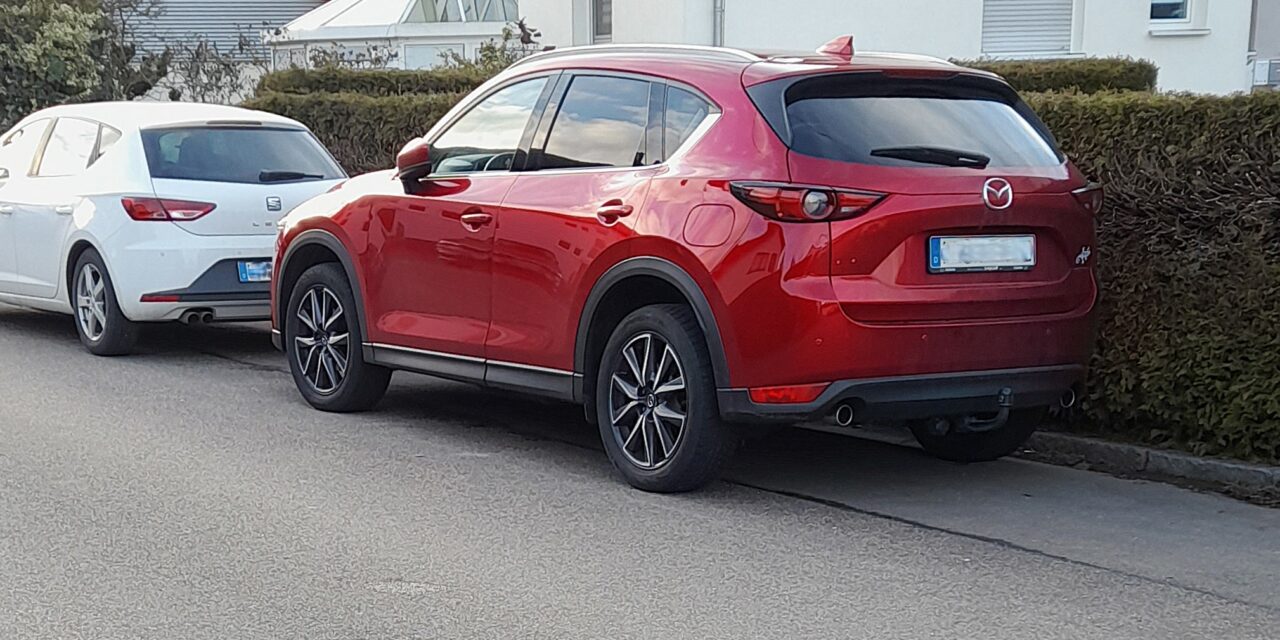
The Mazda CX-5 has been one of the brand’s most important UK cars for years, and it still makes a lot of sense as a used family SUV.
That matters even more now that Mazda is taking pre-orders for the all-new CX-5. When a replacement arrives, plenty of buyers start looking harder at the outgoing car, and the CX-5 has a lot going for it. Parkers says it has been Mazda’s best-selling model for years and still stands out for comfort, build quality and a more engaging drive than many rivals.
The used-buying catch is that this is not a car to shop by trim badge or shiny paint alone. The fuel choice matters. The way the car has been used matters. And a tidy-looking example can still hide the sort of brake, tyre or servicing neglect that turns a sensible SUV into an expensive one.
For most UK buyers, the safest starting point is simple: look at the petrols first, then only move to diesel if your mileage and driving pattern genuinely justify it.
The short version
- A used Mazda CX-5 is still a strong shortlist car if you want a roomy, well-built family SUV that does not feel dreary to drive.
- The petrol versions usually make more sense for lower-mileage and mixed-use UK buyers.
- A diesel CX-5 can still work well, but it deserves a more deliberate decision, especially if your life is mostly short trips.
- History and condition matter more than trim-level bragging rights.
- Check the brakes, tyre wear, suspension feel, cabin tech and recall record properly before you buy.
- If you mainly want hybrid efficiency and the newest infotainment, a Sportage, Tucson or Qashqai may suit you better.
Why the CX-5 is still worth attention in the UK used market
The CX-5’s appeal is not hard to understand. Parkers describes it as a sensible and likeable family SUV that is roomy, refined and well built, and that summary lands pretty well for used buyers too.
This is not a fashion-first SUV that only makes sense when it is brand new. The CX-5 has long sold on the fundamentals: a comfortable driving position, strong visibility, tidy cabin quality and a more natural steering feel than a lot of mid-size crossovers manage.
That means an older one can still feel convincing if it has been maintained properly. For buyers who want a family SUV without the bulk of a seven-seater or the complexity of a plug-in hybrid, the CX-5 remains a very credible used option.
Start with the fuel choice before anything else
This is the decision that can save you the most money and hassle.
Why the petrols make more sense for many buyers
If your driving is mostly school runs, local errands, mixed A-road work and the usual stop-start British week, the petrol CX-5 is usually the better place to start.
The simple reason is that a used diesel only really pays you back when the way you drive suits it. A petrol CX-5 is usually the easier fit for buyers who do not cover huge motorway mileage and who want fewer diesel-specific worries hanging over the ownership experience.
That does not mean every petrol CX-5 is automatically brilliant or every diesel is a trap. It means the petrol is the more sensible default if you are buying for normal mixed UK life rather than long-distance duty.
When a diesel CX-5 still makes sense
A diesel CX-5 is more defensible if you do regular motorway miles, frequent long trips or tow often enough to benefit from the extra low-down pulling power.
Mazda’s newer UK CX-5 material still leans into towing ability, and that helps explain why diesel CX-5s continue to appeal in the used market. But this is the bit buyers often skip: a diesel only becomes the smart buy when the way you use the car lines up with what the engine wants.
If your annual mileage is modest and many of your trips are short, do not talk yourself into a diesel just because the advert looks good or the fuel economy claim sounds tempting.
Do not overpay for spec if the basics are wrong
One reason the CX-5 can be a good used buy is that even mid-range cars often feel nicely finished and well equipped enough for family life.
That means you should be careful about paying a premium for leather, bigger wheels, a Bose badge or a panoramic roof if the car underneath has weak history, tired tyres or overdue maintenance. A clean, honest mid-spec CX-5 with convincing paperwork is usually a smarter buy than a flashier one that has clearly been run on a budget.
If you need four-wheel drive for towing, rough lanes or winter use, fine. If not, do not assume AWD automatically makes a used CX-5 more desirable. It often just makes it dearer.
The checks that matter before you buy a used Mazda CX-5
1. Service history matters more here than the sales pitch
A lot of used CX-5 adverts lean heavily on Mazda’s reliability reputation. That is fine as a starting point, but it is not a substitute for proof.
You want to see a service record that makes sense for the car’s age and mileage, backed up by invoices where possible. Check whether routine work was done on time, whether brake fluid and wear items were dealt with properly, and whether the seller can explain the car’s maintenance without bluff or vagueness.
A family SUV with a good badge and poor paperwork is still a risk.
2. Be honest about whether the diesel suits your life
If you are viewing a diesel, this should be one of the first conversations you have with yourself.
Was the car doing the kind of longer running that suits a diesel, or has it spent most of its life on short urban trips? If the answer is mainly local use, you need to be more cautious. Short-trip diesel ownership is where fuel-economy optimism can turn into emissions-system grief.
On the test drive, make sure the engine feels settled, not hesitant or obviously unhappy. If the seller cannot explain the car’s usage pattern, that is worth noticing.
3. Check the brakes carefully, especially on lower-use cars
This is a very normal used-SUV issue, and it matters on the CX-5 too.
A car that has spent long periods parked or doing gentle local mileage can still look great in photos while carrying brake corrosion or sticking hardware underneath. We have already covered one CX-5-specific angle in our guide to Mazda CX-5 sticky brake caliper MOT issues, and it is exactly the sort of thing worth keeping in mind when you inspect a used example.
Look at the discs, feel for dragging or binding after the drive, and pay attention to whether the car pulls, resists rolling cleanly or smells overly hot around a wheel.
4. Tyres and suspension will tell you a lot about the car’s real life
The CX-5 is often bought as a family workhorse, so tyre condition and suspension feel can reveal more than the polished paintwork does.
Check whether the tyres match across each axle, whether wear is even, and whether the sidewalls look tired or budget-branded in a way that suggests corners have been cut. On the drive, listen for clunks over broken surfaces and pay attention to whether the steering tracks straight.
A well-cared-for CX-5 should feel solid and composed, not loose and vague.
5. Test the cabin tech instead of assuming it is all fine
Mazda tends to major on usability and decent build, but that does not mean you should skip the practical checks.
Test the infotainment, reversing camera, parking sensors, heated seats if fitted, climate controls, electric tailgate if fitted and every steering-wheel button you might actually use. This is especially important if you are paying extra for a higher trim because the additional equipment only has value if it still works properly.
6. Check the rear-seat and boot reality, not just the brochure idea
The CX-5 generally does well on family practicality, which is part of why it has stayed popular. But family use also leaves its marks.
Check the rear-seat backs, ISOFIX areas, boot floor, parcel shelf, door edges and load lip for wear that matches the seller’s story. A few honest scuffs are normal. Heavy wear paired with a strong asking price is not.
7. Do the recall and MOT homework before money changes hands
This is the dull bit that saves money.
Run the registration through the official GOV.UK recall service and read the MOT history line by line. A fresh pass does not tell you enough on its own. You are looking for patterns such as repeated advisories, recurring tyre or brake neglect, or signs that an owner kept patching the minimum.
If you want a refresher, our guides to a used car recall check and how to read an MOT history before you buy are both worth using before you start viewing cars.
What a good used CX-5 usually looks like
The strongest used CX-5s tend to have a calm, believable ownership story.
They drive cleanly, stop straight, wear decent matching tyres, and come with paperwork that does not need excuses. The cabin buttons work, the tech does what it should, and the seller can explain servicing and ownership without sounding rehearsed.
That kind of car is usually worth more than one with a prettier spec sheet and more unanswered questions.
When a rival might suit you better
The CX-5 is easy to like, but it is not the answer to every family-SUV brief.
If you want full-hybrid efficiency for lots of town driving, or you care a lot about the latest infotainment and powertrain options, rivals such as the Kia Sportage, Hyundai Tucson and Nissan Qashqai may make more sense. Parkers is quite clear that newer rivals offer broader hybrid choices.
That does not make the CX-5 a weak used buy. It just means you should buy it for what it is good at: comfort, quality feel, straightforward family usefulness and a slightly more natural drive than many crossovers manage.
Verdict
A used Mazda CX-5 still deserves to be high on plenty of UK family-SUV shortlists.
The smart move is to start with the petrols unless your mileage clearly points you toward diesel, then buy on service history, brake condition, tyre condition and a believable ownership story rather than on trim-level vanity.
Do that, and the CX-5 can still be exactly what many used buyers want: a family SUV that feels solid, grown-up and easy to live with long after the new-car buzz has gone.