A used-car advert often promises a fresh PDI, short for pre-delivery inspection. That is reassuring, but it should not end the conversation. A PDI is the dealer’s preparation process, not a universal certificate with one fixed national checklist. What it covers, how recently it was done and what the dealer actually found can vary.
The useful move is to turn that vague promise into evidence before you collect the car. Ask what was inspected, what was replaced and whether any outstanding work remains. Then check the car yourself while there is still time to pause the handover.
What a PDI should mean in practice
A sensible used-car preparation check normally includes basic safety and roadworthiness items, fluids, lights, tyres, brakes, warning lights, a road test and a look for obvious leaks or damage. It may also include cosmetic valeting and minor repairs. It does not automatically mean that every wear item is new, that the car has just been serviced, or that every possible fault has been ruled out.
Do not confuse a PDI with an MOT, either. An MOT is a minimum roadworthiness test on the day of the test. It is not a guarantee of the car’s overall condition, and it does not replace routine servicing or a proper inspection of a used car’s history.
Ask for the paperwork before collection
Ask the salesperson to email or show you the completed inspection sheet. You are looking for dates, mileage and actual notes, rather than a generic tick-list with no detail. If tyres, brakes, a service, an MOT advisory or a warning light were discussed during the sale, ask for the invoice or job card showing exactly what was done.
- Date and mileage: the preparation should relate to the car you are buying and be recent enough to matter.
- Tyres: ask for tread depths, not just the word “legal”. Check that tyre sizes and load or speed ratings are appropriate for the car.
- Brakes: if the dealer says pads or discs were checked, ask whether any measurements or recommendations were recorded.
- Servicing: establish whether the car received a service or merely an inspection. They are different jobs.
- Advisories and repairs: get any agreed work listed on the order form, including paint, wheels, keys, software updates or missing trim.
If a seller will not provide a sheet, that does not automatically make the car a bad buy. It does mean you should treat “PDI completed” as marketing language rather than proof, and adjust your checks accordingly.
Do your own ten-minute collection check
Go in daylight if possible and do not let a handover timetable rush you. Start the engine from cold if you can. Warning lights should illuminate as the ignition is switched on and go out after the engine starts, apart from any normal reminders. Try the air conditioning, heater fan, windows, mirrors, central locking, infotainment and every key supplied.
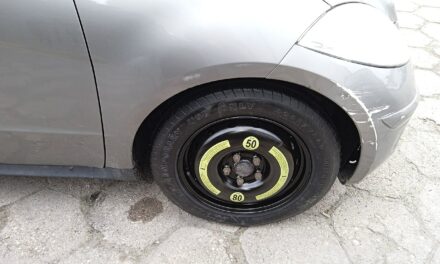
Walk around the car slowly. Look for mismatched paint, cracked lights, uneven tyre wear, kerb damage and signs of a recent repair that were not shown in the advert. Open the boot and check for the charging cable, locking-wheel-nut key, tyre inflator or spare wheel where applicable. Match the registration and VIN to the paperwork. On the road, listen for braking pull, steering vibration, clutch slip, gearbox hesitation and suspension knocks.
For a fuller pre-purchase routine, read our guide to deciding whether a used-car inspection is worth paying for. A professional inspection can make particular sense when the car is expensive, unusual, out of warranty or being bought at distance.
Make verbal promises part of the deal
If the dealer says “we will sort that before collection”, get a precise description in writing. “Repair scratch on rear bumper”, “supply second key” or “replace front tyres with matching tyres” is far more useful than “prep outstanding”. Take dated photographs of any agreed cosmetic work and keep the advert, order form, inspection sheet and messages together.
This matters because goods sold by a trader must be of satisfactory quality, taking account of matters including their description, price and relevant circumstances under the Consumer Rights Act 2015. The same Act says goods supplied by description must match that description. A PDI claim does not remove those rights, but clear written evidence makes a later disagreement easier to handle.
If you find a problem at handover
Do not assume you must take the car and argue later. Point it out, photograph it and ask the dealer to record the issue and proposed remedy. For a minor agreed job, a written due date may be enough. For a safety concern, a warning light or a fault that changes your view of the car, it is reasonable to pause collection until it is properly resolved.
After purchase, tell the selling dealer promptly and in writing if a fault appears. GOV.UK notes that a trader must offer a full refund where an item is faulty, not as described or does not do what it is supposed to do, while the precise remedy can depend on the facts and timing. Keep the conversation with the dealer, not just a manufacturer warranty provider, because a warranty sits alongside rather than replaces your consumer rights.
The bottom line
A PDI is worth having, but it is not a reason to skip the paperwork, history checks and collection inspection. Treat it as one useful layer of preparation. The buyer who asks for the record, checks the car against it and gets outstanding promises written down is much less likely to discover that “fully prepared” meant something different to the dealer.