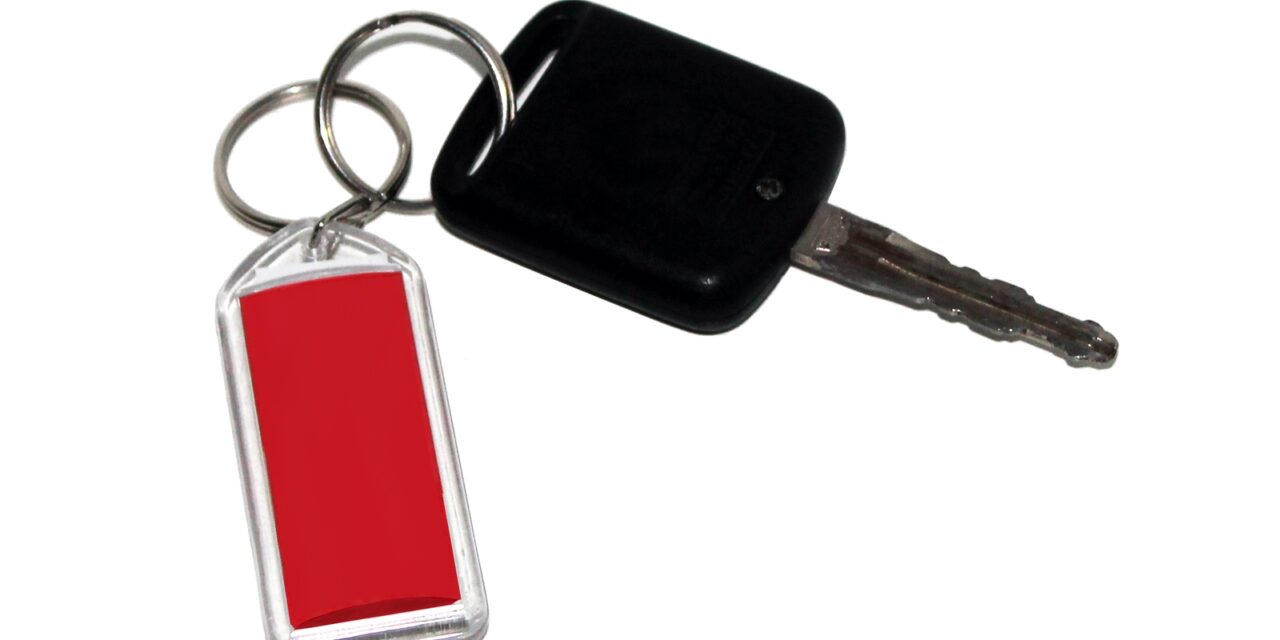
Losing your only car key is one of those problems that turns a normal day into an expensive one very quickly. The awkward bit is not just the cost of the key itself. It is the programming, the call-out, and sometimes the fact the car cannot move at all.
If you are dealing with it now, the best first step is not blindly ordering the cheapest fob you can find online. The right route depends on whether the missing key is simply lost, likely stolen, whether you have a spare, and whether your car uses a basic transponder key or a full keyless-entry fob.
The short answer on cost
For most UK drivers who have lost their only working key, the realistic bill is usually somewhere between about £150 and £500. Older cars with simpler keys can land below that. Newer cars with keyless systems, premium-brand security and dealer-only programming can push beyond it.
A rough way to think about it is:
- Older basic or transponder keys: often start around £150 to £250 for a full replacement when no spare exists
- Remote fob keys: commonly fall around £200 to £350
- Keyless-entry or smart fobs: often sit in the £250 to £500 plus bracket
- Premium or unusual models: can go higher again, especially if towing, specialist coding or new locks are involved
That is why the cheapest outcome is nearly always getting a spare copied while you still have one working key, not waiting until the last key disappears.
Why the bill varies so much
Two cars can both need a replacement key and end up with very different quotes. The big factors are:
1. The type of key your car uses
A plain old-style key is far cheaper to deal with than a modern proximity fob with remote locking and immobiliser programming.
2. Whether you still have a working spare
If you have one key left, cutting and programming another is usually simpler. If you have lost the only working key, the job often becomes more involved.
3. Whether the car can be reached where it is
A mobile auto locksmith is often the neatest answer if the car is stranded at home, at work or in a car park. If the car has to be recovered to a dealer, the total cost rises fast.
4. Make, model and age
Some brands have tighter security, pricier hardware or fewer independent specialists able to code the key.
5. Whether theft is a risk
If the key may have been stolen rather than innocently misplaced, you may need more than a simple replacement. In some cases you will want the missing key removed from the car’s memory, or even the locks changed, to stop it being used later.
Who should you call first?
There is no single right answer for every car, but this order usually makes sense.
Check for a spare before you spend anything
Search properly first. That sounds obvious, but it matters because the cost gap between a spare-copy job and a lost-only-key job can be painful.
If you do find the spare, use that breathing space to get another key made soon rather than promising yourself you will sort it later.
Check your insurance and breakdown extras
Some comprehensive policies and key-cover add-ons will contribute towards replacement keys, locks or reprogramming after loss or theft. Do not assume this is included as standard, but do check before paying out of pocket.
This is especially worth doing if the key may have been stolen, because lock replacement and immobiliser work can be the expensive part.
Get quotes from both a dealer and a mobile auto locksmith
For many mainstream cars, a good automotive locksmith will be faster and cheaper than the franchised dealer. They can often come to the vehicle, cut the emergency blade, program the transponder and pair the remote on site.
Dealers can still be the better route for some newer, premium or heavily locked-down models, especially where independent coding options are limited.
Dealer or auto locksmith?
Here is the practical trade-off most UK drivers are really choosing between:
A dealer usually makes sense when:
- your car is very new
- the brand has strict security coding
- you want a genuine branded key as a priority
- independent locksmiths are struggling to confirm support for your model
A mobile auto locksmith usually makes sense when:
- the car cannot be moved
- you want a same-day or next-day solution
- your car is a common mainstream model
- price matters and you want to avoid recovery costs
The best move is simple. Get both quotes, ask whether VAT is included, and make sure each quote covers the full job rather than just the blank key.
Ask this before agreeing to any quote
A headline price means very little unless you know what is included. Ask:
- does the price include the key itself?
- does it include cutting and programming?
- is there a call-out fee?
- is VAT included?
- will the missing key be erased from the vehicle if needed?
- are you quoting for an original branded key, an aftermarket key, or either?
- if the car is keyless, does the quote include full pairing of the fob?
That last point matters. Some cheap quotes look attractive until extra programming charges appear later.
What you will usually need ready
Whether you use a dealer or locksmith, expect to be asked for:
- your registration number
- the make, model and year
- your location if the car cannot move
- proof of identity
- proof that you own or keep the vehicle
- sometimes the VIN
Having that ready can speed things up, especially with a mobile specialist.
If you think the key was stolen, treat it differently
A misplaced key and a stolen key are not the same problem.
If you suspect theft, contact the police and your insurer promptly. Then ask the dealer or locksmith what can be done to disable the missing key in the vehicle’s system. On some cars that may be enough. On others, replacement locks or more extensive security work may be sensible.
The key point is this: if someone could connect the missing key to your car and your address, the cheapest fix may not be the safest one.
The expensive mistake drivers make after the first replacement
They stop at one key.
Once you have paid for a full lost-key replacement, making a second working key is usually much easier and cheaper than waiting for the same crisis to happen again. If your budget can stretch to it, that is the moment to fix the problem properly.
How to keep the cost down without making it worse
If you want the bill to stay sensible, these are the moves that matter:
- compare a dealer price with an automotive locksmith price
- ask whether a mobile service avoids towing or recovery charges
- check your insurance policy wording before authorising the work
- confirm the quote includes programming, not just the shell or blade
- get a spare made once you are back to one working key again
Bottom line
If you have lost your only car key in the UK, think in terms of £150 to £500 as the normal pain zone, with newer keyless cars often sitting towards the top end or beyond it. A mobile auto locksmith is often the quickest and best-value answer, but not always. The right first call is the one that matches your car, your cover and whether the key is simply missing or might have been stolen.
Do not shop for the cheapest fob first. Shop for the route that actually gets the car secure and usable again.
Quick FAQs
Is a locksmith cheaper than a dealer for a lost car key?
Often, yes. For many mainstream UK cars, a good automotive locksmith can undercut the dealer and come to the vehicle. Newer or premium models are where the dealer can still make more sense.
Can I buy a replacement key online and get it programmed?
Sometimes, but it is easy to buy the wrong thing. Compatibility, blade cutting, immobiliser coding and remote pairing can all trip you up. If you need the car back on the road quickly, expert supply and programming is usually safer.
Will insurance pay for a lost car key?
Sometimes. Some comprehensive policies or key-cover add-ons help with replacement keys, locks or reprogramming, but it is not universal and the limits vary.
Is it more expensive if I have no spare at all?
Usually, yes. Replacing the only working key tends to be more involved than copying an existing one, and that extra work is where the bill climbs.