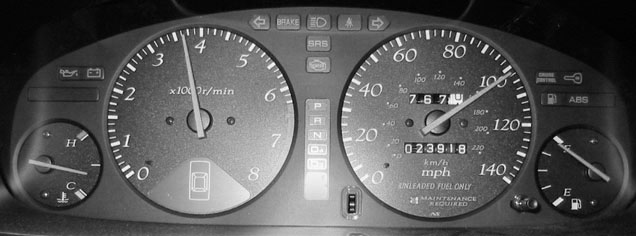
Your car can look alarmingly ill for a few seconds after you turn on the ignition. Oil, battery, engine, ABS and airbag symbols may all light up together. In many cars, that is the dashboard carrying out a normal bulb and system check, not several faults arriving at once.
The useful distinction is simple: lights that appear as the ignition is switched on and then go out once the engine has started are usually doing their job. A light that stays on, returns while driving, flashes, or appears alongside a change in how the car feels needs attention. The exact symbols and priorities vary by make and model, so the handbook remains the authority for your car.
What the start-up check is for
Warning lamps need to be able to warn you. On many cars, switching on the ignition briefly illuminates key symbols so you can see that the lamps and the monitored systems are capable of reporting a problem. Once the engine is running and the relevant checks are satisfied, they should go out.
Do not use a single rule for every icon. A seat-belt reminder may stay lit until you fasten the belt. A parking-brake symbol should remain on while the brake is applied. Some diesel cars keep a glow-plug lamp on briefly before starting, and some modern cars show information messages while systems initialise. Those are different from a fault light that remains after the car is ready to move.
The 20-second dashboard routine
Before selecting a gear, give the instruments a quick, repeatable look. It takes less time than scrolling through a phone notification.
- Switch on the ignition and notice the normal pattern. You are not expected to memorise every symbol, but it is useful to recognise what your own car normally displays.
- Start the engine and wait a moment. Most routine warning lamps should clear after the engine starts.
- Release the parking brake and check its warning is out. On an electronic system, confirm the dashboard message has changed as well.
- Look for a red lamp, a flashing lamp or a message telling you to stop. Treat these as a decision point, not background decoration.
- If one stays on, read the handbook before guessing. Photograph the symbol if that helps, then use the manufacturer manual or speak to a garage.
This routine also matters on a used-car test drive. A seller should not rush you past the ignition-on stage. Starting the car yourself lets you see whether the normal lamp check happens and whether a warning remains afterwards. It is not a full diagnosis, but it is a sensible first observation.
Red, amber and flashing: use the colour as a first filter, not a diagnosis
Dashboard colours are designed to communicate urgency, but a symbol and the car’s behaviour matter more than colour alone.
Red usually means stop and assess
A red warning commonly relates to something that could affect safety or cause serious damage if ignored. Typical examples include low oil pressure, an overheating warning, a brake-system warning or a charging-system warning. Do not assume that a red symbol will turn into an amber one if you keep driving.
If a red light remains on after start-up, pull up safely as soon as it is reasonable to do so and check the handbook. If the car has poor braking, overheating signs, smoke, a burning smell, steering changes or any other obvious symptom, do not continue as normal. Arrange assistance rather than trying to nurse it through a journey.
The familiar red battery symbol is a good example of why symbols need context. It generally concerns the charging system while the engine is running, rather than simply saying that the battery needs replacing. Our guide to the battery warning light explains the checks worth making.
Amber means investigate soon, with care
An amber light often means the car has detected a fault or needs attention but may still be drivable. That does not make it an MOT-day ornament or something to cover with tape. An engine-management light, ABS warning or tyre-pressure warning can each have very different causes and risks.
Pay attention to whether the car is running normally, whether the light is steady or flashing, and whether other warnings have appeared. A steady engine-management lamp may allow a careful trip to a garage, but a flashing one, a misfire, a loss of power or a strong fuel smell calls for a more cautious response. Do not repeatedly clear a fault code just to see the light disappear. That hides useful information and does not repair the cause.
Flashing, plus a change in behaviour, moves the problem up the list
A flashing warning is often the car’s way of saying the condition is active rather than historic. The meaning is make-specific, so check the handbook immediately. If the engine is shaking, the temperature is rising, braking feels different or the car has entered reduced-power mode, stop treating the journey as routine.
The lights drivers should not dismiss after start-up
There are too many symbols to turn every dashboard into a universal chart, but these are sensible categories to act on.
- Oil-pressure warning: stop safely and switch off when safe to do so. Low oil level and low oil pressure are not the same problem, so do not assume a top-up is the answer.
- Temperature warning: stop before an overheating engine causes further damage. Do not open a hot cooling-system cap.
- Brake warning: first make sure the parking brake is fully released. If the red brake warning remains, or the pedal feels different, do not carry on as normal. Read our guide to a red brake warning light after start-up.
- Battery or charging warning: reduce the journey to getting somewhere safe and have the charging system checked.
- Engine-management warning: get a proper diagnostic reading rather than buying parts by guesswork. A malfunction indicator lamp that shows a fault is relevant at MOT time too.
- ABS, stability-control or airbag warning: normal braking may still be present in some cases, but a safety system may not be working as intended. Book a diagnosis promptly.
- Tyre-pressure warning: check the pressures against the vehicle placard or handbook when the tyres are cold, and inspect for damage or a puncture. Do not reset the warning and forget the reason it appeared.
The DVSA MOT inspection manual makes clear that some malfunction indicators are tested. More importantly, an MOT pass is not a substitute for acting on a warning that appears between tests.
Do not mistake a missing light for good news
A lamp that never appears during the normal ignition check is worth noting, particularly on a car you are thinking of buying. It could be completely normal for that model or for the way its display works, but it can also make it harder to know whether an indicator is capable of warning you. Ask the seller for the handbook, start the car yourself and compare what you see with the vehicle’s normal start-up sequence.
Avoid trying to prove the point by disconnecting bulbs, pulling fuses or clearing codes. Modern dashboards and safety systems are linked to control units, and amateur tampering can create more faults, complicate a diagnosis and risk an MOT failure.
A better question for a garage
Instead of saying only, "a light came on," give the garage the useful facts: the symbol or message, its colour, whether it was steady or flashing, whether it appeared at start-up or while driving, and what the car was doing at the time. A clear photo of the dash and the mileage can help too.
That information lets a technician start with a fault-code read and the right system, rather than charging you to chase several unrelated possibilities.
The bottom line
Seeing several warning lights before the engine starts is usually normal. Seeing one remain after the self-check is the point to slow down and work out why. Learn the normal sequence for your own car, use the handbook for the exact symbol, and never let a red, flashing or behaviour-changing warning become a problem for later.
Quick questions
Why do all my warning lights come on before I start the car?
Many cars illuminate key warning lamps as an ignition-on self-check. If they clear after the engine starts, that is usually the expected sequence. Check the handbook if your car behaves differently.
Can a warning light that comes on briefly fail an MOT?
Not simply because it appears during the normal start-up check. What matters is whether a relevant malfunction indicator shows a fault when it should not. The DVSA manual has system-specific rules, so have a persistent warning diagnosed before the test.
Is it safe to drive with an amber warning light on?
Sometimes a car may be driveable with a steady amber warning, but the symbol, the handbook and the way the car feels determine the answer. A flashing lamp, a red lamp or any change in braking, steering, temperature or engine running is a reason to stop and seek help.