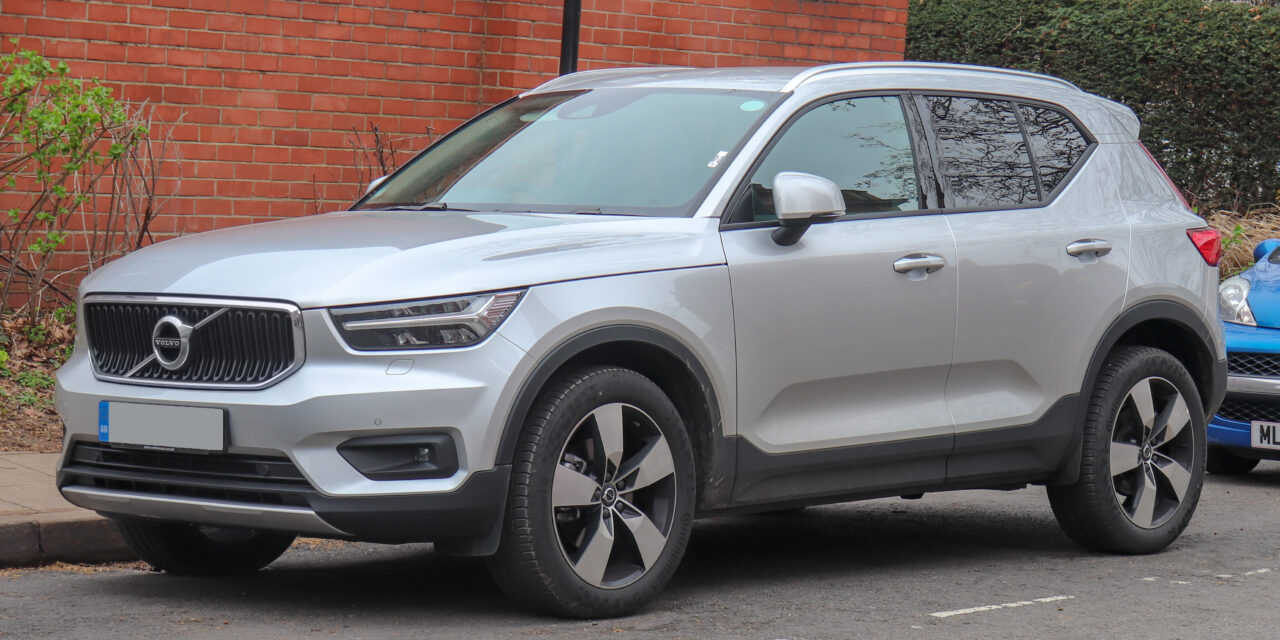
The Volvo XC40 Recharge is an appealing used electric SUV because it combines a familiar, compact SUV shape with a premium cabin and a badge that many buyers trust. The catch is that the sensible checks are not just about tread depth and service stamps. You need to establish exactly which battery and drivetrain the car has, how it charges, whether its software and recalls are up to date, and whether it fits your charging routine.
This is the buying route to take before a test drive. It applies to the XC40 Recharge, the name used on earlier electric cars. Later cars are marketed as the EX40, so do not assume an advert has used the current name consistently.
Start by decoding the advert, not admiring the specification
Ask the seller for the registration number and VIN before travelling. Then get them to confirm the model year, battery version, whether it is single- or twin-motor, and the exact trim. Range, power, wheel size, equipment and insurance group can vary substantially between versions. A vague advert saying simply “Recharge” is not enough for comparing two cars or judging the price.
Use the registration to check the public MOT history. An EV has no exhaust-emissions test, but the history can still reveal repeat tyre, brake, suspension, lighting or visibility issues. Compare the recorded mileage with the dashboard, service invoices and advert. A car that is too new for its first MOT should still have a paper trail.
Before paying a deposit, run an independent history check for finance, write-off status and theft. A clean-looking V5C is not proof that a used car is clear of every financial or identity problem.
Battery health: ask for evidence, not a reassuring sentence
There is no useful conclusion to draw from a seller saying that the battery “seems fine”. Ask whether a recent battery-health report is available and who produced it. If there is not one, ask a Volvo retailer or EV specialist whether it can provide a diagnostic report as part of a pre-purchase inspection. Keep the report with the car’s paperwork if you buy it.
Read the terms of the battery warranty for the exact vehicle rather than relying on a generic advert. Warranty eligibility is tied to age, mileage, servicing, market and conditions, and any remaining cover may be less valuable than it first appears. Ask for the original handover documents, service history and proof of any warranty work. A battery report is valuable context, but it does not replace a proper inspection of the whole car.
Also ask how the previous owner normally charged. Home and workplace charging are ordinary use, not a warning sign. The point is to understand the car’s life, including whether its charging equipment and cables have been looked after, rather than treating any one charging habit as a verdict.
Check charging before you fall for the cabin
On the viewing, open the charge flap, inspect the socket and try the supplied cables if it is safe to do so. Confirm what is included: usually this should mean the portable cable and, where supplied with the car, the cable for public AC charging. Do not assume that a cable shown in an old brochure or a photograph comes with this particular car.
Ask the seller to demonstrate charging if practical, or arrange a short visit to a compatible public charger. Watch for warning messages, a charge flap that does not operate smoothly, damage to connectors or a cable that is clearly not the right one. The dashboard should show a plausible charging status and allow the charge limit and schedule to be inspected. If a dealer cannot show this, make a successful charge demonstration a condition of collection.
For a car you will rely on for longer trips, check its rapid-charging history only as a practical test: plug it in, see that the session starts, and ensure the car has no unexplained charging alerts. Actual charging speed depends on battery temperature, state of charge and the charger, so one session is not a laboratory test.
Software, screen and driver assistance deserve a proper test
The XC40 Recharge relies heavily on its central screen for climate, navigation, charging controls and vehicle settings. Take time with it. Pair a phone, use the cameras, try the heating and ventilation, alter a charging setting and check that the display, steering-wheel controls and audio all behave normally. Let the car sit powered up long enough for an intermittent warning to appear.
Ask the seller which software updates have been carried out and whether the car is currently receiving over-the-air updates. A retailer can check the VIN for outstanding campaigns. Do not accept “it has the latest software” as a substitute for a documented check.
Test every driver-assistance feature fitted to the car in a sensible, legal setting. Pay particular attention to parking sensors, cameras, adaptive cruise control and warning messages. These are expensive systems to diagnose if a fault appears just after purchase, and a clean dashboard at the kerb is not the same as a proper road test.
Do the ordinary car checks too
Electric SUVs are still heavy cars. Tyres, brakes and suspension matter just as much as they do on a petrol SUV, and tyre costs can be significant on large wheels. Check all four tyres for matching specification across each axle, even wear, damage and adequate tread. Look at the inner shoulders where possible. Check the last MOT for tyre and brake advisories, then compare it with what is on the car today.
On the test drive, listen for suspension knocks, vibrations and tyre roar. Make several gentle and firmer stops where safe. Surface rust can build on brake discs when friction brakes are used less often, so look for a smooth, confident brake pedal rather than assuming regenerative braking has done all the work. The electronic parking brake should apply and release cleanly.
Check for kerb damage to alloy wheels, leaks around the windscreen and tailgate, damp carpets, broken trim, and every seat, window and door lock. These are not exotic EV faults, but they are useful negotiating evidence and can expose a car that has had a harder life than its mileage suggests.
Recalls, servicing and the test drive route
Use the government’s free vehicle recall checker with the registration, then ask a Volvo retailer to check the VIN. Make completion of any outstanding safety recall a condition of handover. A recall is not automatically a reason to reject a car. An unresolved recall, vague answers or a dealer who will not verify the VIN is a different matter.
Choose a test-drive route that includes town speeds, a rougher road and faster driving where appropriate. Check the claimed range only as an indication, since weather, speed, heating and wheel choice affect it. What matters on a viewing is whether the range display, charge level and energy use behave sensibly and whether the car feels consistent rather than abruptly restricted or full of warnings.
Finally, establish the practical ownership costs before you commit. Get an insurance quote on the exact registration, price tyres in the fitted size, find out what your local Volvo or EV specialist charges for servicing, and make sure your home or regular public charging works for you. Electric cars registered from 1 April 2025 are subject to Vehicle Excise Duty, so use the official GOV.UK rate tables for the current tax position rather than assuming an EV is tax-free.
The short verdict
A used XC40 Recharge can be a very convincing family EV if the exact version suits your mileage and charging routine. Buy the specific car, not the nameplate: verify its battery evidence, make it charge in front of you, test the screen-led functions properly, check recalls by VIN and treat tyres, brakes and insurance as part of the deal. If the seller cannot support those basics, there will be another one.