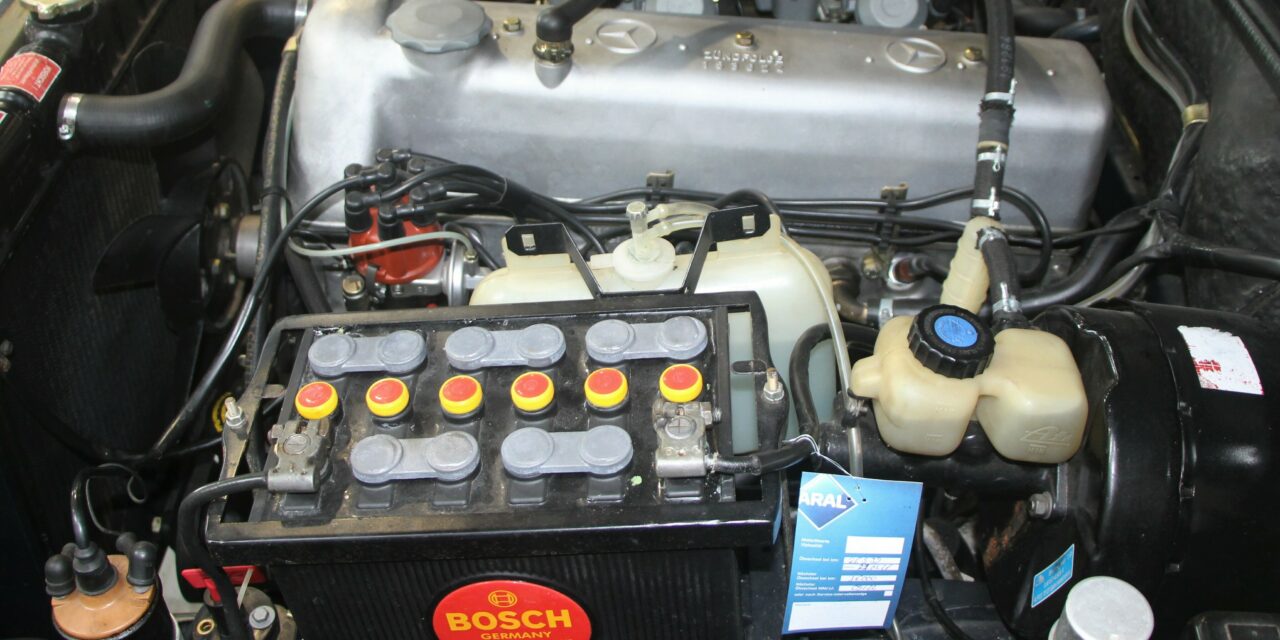
A 12V battery can look like a simple black box until it is time to replace one. On a car with stop-start, choosing the wrong technology can be an expensive false economy. An AGM and an EFB battery may have the same voltage, similar dimensions and terminals in the same places, but they are not automatically interchangeable.
The useful rule is simple: start with the vehicle specification, then use the old battery as a cross-check. Do not let a low price or a retailer search result override the handbook or a reputable battery finder for the exact registration.
First, read the label that is already in the car
Before shopping, photograph the battery label and note its details. You are looking for more than a big number of amps.
- Technology: AGM, EFB or conventional flooded lead-acid.
- Capacity: normally shown as Ah (amp-hours).
- Starting performance: normally CCA (cold cranking amps), usually to an EN standard.
- Case size and hold-down: the replacement must sit correctly in the tray and be clamped securely.
- Terminal layout and polarity: the positive terminal must be on the correct side for the car’s cables.
- Vent connection: some batteries and installations use a vent tube. The replacement must provide the required arrangement.
A label is a good starting point, not the final authority. Cars are sometimes fitted with a replacement battery that is not original specification, and the correct capacity or technology can vary across engines and model years. Check the owner’s handbook and a respected registration lookup, such as the VARTA Battery Finder, before committing to a part number.
What AGM and EFB actually mean
AGM means absorbent glass mat. In this type of lead-acid battery, the electrolyte is held in glass-fibre mats between the plates. It is designed for high electrical demand and repeated cycling, which is why it is common on cars with more demanding stop-start systems, energy recovery or a lot of electrical equipment.
EFB means enhanced flooded battery. It is an improved version of a conventional flooded lead-acid design and is also made for stop-start use, usually in less demanding applications than AGM.
Neither label means the battery is an EV traction battery. This article is about the 12V starter battery found under the bonnet, in the boot or, on some cars, elsewhere in the vehicle.
The mistake to avoid: downgrading the battery
If the car was specified with an AGM battery, do not replace it with an EFB or ordinary flooded battery simply because it fits and costs less. A lower-spec battery may not tolerate the cycling and electrical load the charging system expects. The likely result is shorter life and stop-start that becomes unavailable more often. It can also leave the car’s battery-management strategy working from the wrong assumptions.
The same caution applies to an EFB-equipped car. A move from EFB to AGM can be suitable on some vehicles, but it is not a universal upgrade. Only do it where the vehicle maker or the battery maker’s vehicle-specific catalogue says it is compatible, and make sure the new type is registered with the car if registration is required.
What is safe to say in every case is this: match the original technology unless authoritative fitment information for that exact car explicitly says otherwise.
Why a battery that physically fits can still be wrong
Two batteries can share a tray size but differ in capacity, starting output, terminal position and technology. A bargain unit can therefore fit into the car while still being a poor choice.
CCA matters because it describes starting capability in cold conditions. Ah gives an indication of stored capacity. They are both useful, but neither is a licence to choose the biggest number on the shelf. The car’s charging system, wiring, mounting and battery-management settings need a compatible replacement.
Also check the clamp. A battery must not be loose in its tray. The DVSA’s MOT standards require a battery to be secure and not likely to short circuit, so a missing or unsuitable hold-down is not merely untidy.
Will the replacement need coding or registration?
Many newer cars monitor the 12V battery through a battery-management system. After a replacement, some need a reset, adaptation or registration procedure through diagnostic equipment. Names differ between manufacturers, but the purpose is broadly the same: the car is told that a new battery has been fitted and, where applicable, its capacity and technology.
This matters because the charging strategy can change with battery age and type. Leaving the system believing an old battery is still installed may contribute to poor charging behaviour or reduced service life. It may also leave warning messages or stop-start issues that are hard to diagnose later.
Do not assume every car needs coding, and do not assume it does not. The answer is model-specific. Check the handbook or workshop information, ask the supplying garage whether registration is included, or use a specialist with suitable diagnostics. If you are buying online, confirm this before ordering rather than discovering it with the old battery removed.
A five-minute buying checklist
- Confirm the exact vehicle: registration, engine, year and, if prompted, the build details.
- Match the technology: AGM for AGM, EFB for EFB, unless an approved vehicle-specific guide says otherwise.
- Check the physical fit: dimensions, base hold-down, terminal layout and vent provision.
- Check the ratings: use the vehicle specification or established fitment catalogue for Ah and CCA, rather than choosing on price alone.
- Ask about registration: find out whether the car needs a battery reset or coding, and whether the quote includes it.
Yuasa’s vehicle battery information is another useful manufacturer source for checking the terminology and selecting by application. It is still worth comparing its recommendation with the vehicle handbook, especially if the car has previously had electrical work or a non-standard battery fitted.
DIY or supply-and-fit?
DIY can make sense on an older car with an accessible conventional battery and a clear specification. It is less attractive when the battery is buried under trim, has a vent connection, needs a memory saver, or the car requires registration afterwards.
A supply-and-fit service can be better value than it looks if it includes testing, correct fitment, battery registration and recycling. The key question is not simply, “How much is the battery?” It is, “Is this the correct battery, fitted and configured correctly?”
If you do the job yourself, work with the ignition off, keep metal tools away from both terminals at once, remove jewellery and follow the manufacturer’s procedure for disconnecting and reconnecting the battery. Modern cars can have settings and systems that need a particular sequence, so a generic video is not a substitute for the handbook.
Do not put the old battery in household rubbish
Starter batteries contain lead and acid. Most suppliers and many household waste recycling centres accept them for recycling, often through the purchase exchange scheme. Transport the old battery upright, avoid tipping it, and protect the terminals from accidental contact. If it is damaged, leaking or swollen, get advice from the supplier or recycling centre before moving it.
The bottom line
For a stop-start car, the battery label is not background information. It is the first line of defence against buying the wrong replacement. Match the specified technology, check the fitment and ratings for the exact vehicle, and establish whether the car needs its new battery registered. That small amount of homework is cheaper than fitting a battery that looks right but is not equipped for the job.
For the practical replacement steps, see our guide to changing a car battery safely. If the issue is repeated flat batteries rather than a confirmed failed unit, read why a car battery keeps going flat before buying another one.