Leaving a car unused for a few weeks is usually not a disaster. The mistake is treating the first journey afterwards as ordinary. A battery can be weak, tyre pressures can have fallen and brakes can feel unfamiliar after sitting. More importantly, a car that remains on the road still needs the legal basics in place, even if it has barely moved.
Use this short sequence before you put a parked-up car back into regular service. It works whether the car has been on a driveway, on the street or in a garage.
Start with the legal position, not the ignition key
If the car has been kept or used on a public road, it normally needs to be taxed, insured and have a valid MOT where one is required. Parking it and not driving it does not switch those obligations off.
The exception is a vehicle that has been properly declared SORN. A SORN vehicle must be kept off the public road, including the pavement. It also means the car cannot simply be driven to the shops to see whether it still works. Arrange transport or make sure it is taxed, insured and road-legal before using it again.
Do not assume insurance has quietly paused because the car has been idle. The government says a registered vehicle must normally be insured unless it has been SORN. Check the policy is live, the registration is correct and that any change of address, main driver or parking location has been declared. The official vehicle-insurance guidance explains the continuous-insurance requirement.
Walk around the car before you start it
A two-minute walk-around can prevent an avoidable problem on the first drive. Look underneath for fresh fluid on the ground, then check for obvious damage, a flat-looking tyre, a loose number plate or anything trapped under the car.
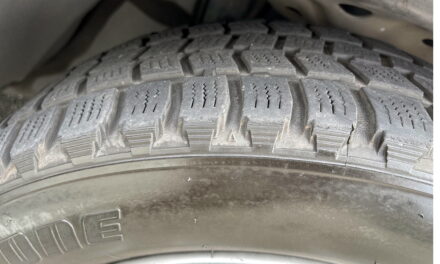
- Tyres: inspect all four, plus the spare if the car has one. Look for nails, sidewall cuts and very low pressure. Inflate them to the vehicle maker’s recommended cold pressures, usually shown on a sticker in the door shut, fuel flap or handbook. Do not use the maximum pressure moulded into the tyre sidewall as the target.
- Lights and glass: clear leaves and debris from the scuttle area at the base of the windscreen. Check the windscreen, mirrors and lamps are clean enough to see and be seen.
- Wipers and washers: make sure the blades have not stuck to the screen and that the washer bottle has fluid. A dry or split wiper blade is easy to miss until rain arrives.
- Signs of visitors: if the bonnet has been up for a long time, look for chewed insulation, nesting material or warning lights once the car is started. Do not put hands near belts, fans or wiring before the engine is fully off and cool.
Give the battery a sensible test
Short journeys and weeks of standing can leave a 12V battery undercharged, particularly in colder weather. If the starter turns slowly, the interior lights dim heavily or the car reports low-voltage warnings, do not keep trying until it is flat. A suitable smart charger is often a better first move than repeated jump-starts.
Check the battery terminals only with the ignition off. If there is heavy white or blue-green corrosion, deal with that safely before assuming the battery itself is finished. Once the engine starts, the battery warning lamp should go out. If it stays on, or comes on while driving, stop somewhere safe and investigate rather than hoping a longer run will cure it.
Check fluids when the engine is cold
Check the engine-oil level in the way the handbook specifies. Most cars also have visible marks for coolant and brake fluid. A level below minimum, a fresh puddle or an unexplained warning message is a reason to pause and find the cause, not simply top up repeatedly.
Use the fluid specification in the handbook. Mixing the wrong coolant or brake fluid because it was already in the garage can create a more expensive problem than booking a check with a workshop.
Make the first drive a test, not a commute
Choose a quiet local route first. Before joining fast traffic, check that the steering feels normal, the brake pedal is firm and the car pulls away cleanly. Surface rust can form on brake discs while a car stands; a light noise or roughness may clear with gentle normal braking, but grinding, a pull to one side, a seized-feeling brake or a warning light needs attention.
Listen for a persistent scrape or thump, and watch the temperature gauge or temperature warning. Keep the radio off for the first few minutes so that new noises are easier to hear. If the car has an electric parking brake, confirm it releases properly before setting off.
After a short drive, park on level ground and look again for leaks or unusual smells. That second check is especially useful if the car had been standing outside.
When a few weeks becomes proper storage
If the car will be unused for months rather than weeks, make a plan rather than relying on an occasional engine start. The right approach depends on where it is kept and whether it is legally on the road, but the essentials are clear:
- keep it taxed and insured if it remains on the public road, or make a SORN declaration and keep it entirely off-road;
- use a battery maintainer only if it is suitable for the battery type and can be used safely in that location;
- keep the car dry and ventilated where possible, but do not block drains or air intakes with a cover or stored items;
- do not leave the handbrake on for a long period without checking the manufacturer’s storage advice, as some cars are more prone to brake binding than others;
- make a dated note of its condition, mileage and the work due next, so a forgotten service, MOT or timing-belt interval does not disappear from view.
Tax works differently from insurance: it is paid in advance and is not cancelled merely because the car is unused. The DVLA vehicle-tax page has the current rules for checking tax, paying it and understanding when a refund may be due after a SORN or sale.
The five-minute return-to-road checklist
- Check tax, insurance and MOT status before the car moves.
- Inspect tyres, lights, screen, wipers and the ground beneath the car.
- Check oil and coolant as the handbook directs.
- Start the car once, look for warning lights and avoid repeated failed starts.
- Take a short, careful test drive and stop if braking, steering, temperature or warning lights are not right.
The aim is not to create a complicated ritual. It is to catch the straightforward things that can turn a dormant car into a breakdown, a tyre problem or an unnecessary bill. Five calm minutes before the first proper trip is usually time well spent.