If you are pricing up a home EV charger in the UK, one of the first decisions is whether to buy a tethered unit with a cable attached or an untethered unit that leaves you to plug in your own lead each time.
That sounds like a small detail. It is not. The choice affects daily convenience, how neat the installation looks, how easily you can switch cars later, and how annoying charging feels on a wet January night.
For most UK drivers, a tethered 7.4kW home charger is the easier option to live with. But it is not always the better buy. If your parking layout is awkward, you care about a tidier front wall, or you may change cars and cable preferences over the next few years, untethered can make more sense.
The quick answer
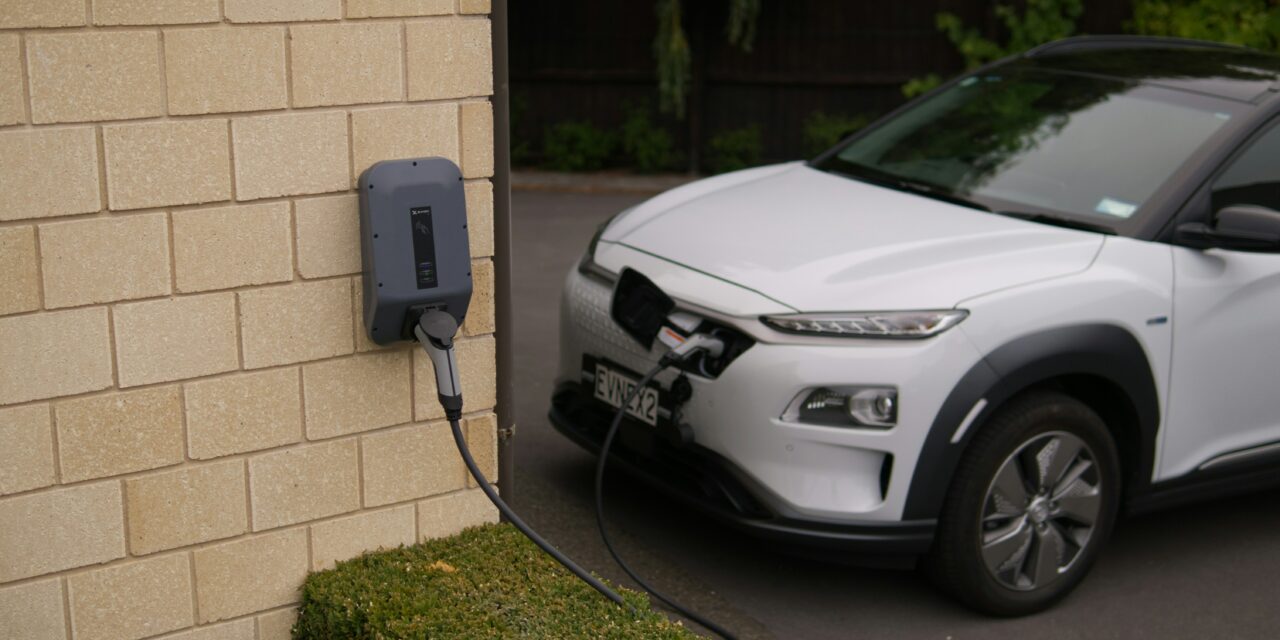
A tethered charger has a permanently attached charging cable. You park, take the cable off the holster and plug in.
An untethered charger has a socket on the wallbox but no fixed lead. You use the separate cable that came with the car, or buy one that suits your setup.
In simple terms:
- choose tethered if you want the quickest, least fiddly everyday routine
- choose untethered if you want a neater look and more flexibility over cable length and future car changes
- in most UK homes, the power output question is separate, because a 7.4kW single-phase charger is still the normal domestic setup rather than the charger being the limiting factor
| Charger type | Best for | Main drawback |
|---|---|---|
| Tethered | Drivers who want the easiest daily routine | You are stuck with the attached cable length and a busier-looking wallbox |
| Untethered | Buyers who want a cleaner look and more flexibility | You have to fetch, plug in and store a loose cable every time |
Why this matters more in the UK than people expect
A lot of British buyers do not have huge driveways or detached garages. Cars are often parked close to a wall, squeezed beside a fence, or reversed in purely because that is the only way the cable will comfortably reach.
That means charger choice is not only about speed or brand. It is about the real-world route from the socket to the car’s charging port.
A charger that looks perfect on a product page can become irritating if:
- the fixed cable is too short for the way you actually park
- the cable is always lying where people walk past it
- you need to switch between two EVs with different preferred parking positions
- the charger is mounted where you do not want a visible loop of cable on the wall
Tethered charger: the case for it
A tethered unit is the one most first-time EV owners end up appreciating after a few weeks of use.
What a tethered charger gets right
It is faster to use day to day.
You do not need to fetch a loose cable out of the boot, uncoil it, plug both ends in, then stow it again later. You simply park and connect.
It is better in bad weather.
The less time you spend handling a cold, wet cable in the dark, the better. This matters more than people think when charging becomes part of a daily routine rather than a novelty.
It reduces boot clutter.
If the charging lead is permanently on the wallbox, the boot can stay free for the public charging cable, pram, shopping or luggage.
It tends to suit one-car households well.
If you charge the same car in the same spot most nights, tethered is hard to beat for convenience.
The downsides of a tethered charger
You are committed to the attached cable length.
If the charger is mounted on the wrong side of the driveway, or you later buy a car with a charging port in a different position, the cable can become less convenient than it looked on day one.
It looks busier on the wall.
Even a tidy tethered unit has a cable and holster to manage. Some buyers care about that, especially on the front of the house or near the entrance.
Cable wear matters more.
A fixed cable is designed for daily use, but it is also the part you handle every time. If it gets damaged, you are dealing with the charger setup rather than simply swapping to another loose lead.
Untethered charger: why plenty of UK buyers prefer it
Untethered chargers make more sense than they first appear, especially if you are thinking beyond the next 12 months.
What an untethered charger gets right
It is neater.
With no permanently attached lead, the wallbox itself is cleaner-looking and easier to place where appearance matters.
You can choose the cable that suits the driveway.
That flexibility is useful if you need a longer lead than a standard tethered unit offers, or if you want one cable for home and another for public AC charging.
It can be the more future-proof choice.
Most UK EVs now use a Type 2 connection for AC charging, but cable length, storage preference and multi-car use still vary. Untethered keeps those choices open.
It can work better for two-car households.
If one car parks nose-in and the other reverses up, the freedom to use a cable that best suits the situation can make life easier.
The downsides of an untethered charger
It adds one more step every time you charge.
That might not sound like much, but if you charge several times a week it becomes noticeable.
You have to store the cable somewhere.
That might be in the boot, in the house, or on a separate hook. None of those is a disaster, but none is as simple as using a tethered cable already in place.
It can be less friendly for first-time EV owners.
If you want charging to feel as close as possible to plugging in a kettle rather than unpacking equipment, tethered is usually easier.
Which one is usually better for a typical UK home?
If I were choosing for a straightforward UK driveway with one EV parked in roughly the same place every night, I would go tethered.
That is the option that removes the most friction from daily life. The charger gets used more casually, the routine is simpler, and there is less temptation to skip plugging in because it is raining or you are tired.
But there are three situations where untethered often becomes the smarter buy.
1. Your parking position changes a lot
If the car does not always stop in the same place, or different cars use the same charger, the freedom to choose your cable each time can outweigh the extra hassle.
2. You care about a tidy frontage
If the charger will be highly visible from the street or mounted on the front of the house, untethered is the cleaner-looking option.
3. You want the charger to outlast your current car setup
A wallbox should last longer than your current vehicle. If you expect to change cars, perhaps from a front-port EV to one with the port on the rear wing, avoiding a permanently attached cable can keep the installation more adaptable.
The five checks to make before you order
Before choosing tethered or untethered, walk outside and answer these properly.
1. Where is the car’s charging port?
Front centre, front wing and rear wing positions all change how natural the cable route feels. A setup that works perfectly for one EV can be awkward for another.
2. How do you actually park at home?
Do not imagine the ideal position. Think about the real one. If the car is usually tight to a wall, near a gate or shared with another vehicle, that should drive the decision.
3. Will more than one EV use the charger?
If yes, flexibility matters more. Untethered becomes more attractive if household charging habits are likely to change.
4. Do you want convenience or a cleaner look?
Be honest here. Some buyers will gladly trade a few seconds of extra effort for a tidier wall. Others will care far more about grabbing a cable and plugging in quickly.
5. Are you eligible for support with installation costs?
The UK government’s EV chargepoint grant for renters or flat owners can cover 75% of the cost of buying and installing a socket, up to £500 for eligible applicants. That does not decide the tethered-versus-untethered question on its own, but it can change which charger brands and installation quotes feel realistic.
What about charging speed?
For most homes, this is not the deciding factor between tethered and untethered.
The bigger issue is usually the home’s electrical supply and the installer’s recommended setup. In practice, a 7.4kW home charger remains the normal answer for many UK households. So do not let marketing make you think tethered means faster or untethered means slower. In most cases, the cable arrangement is about usability, not headline charging speed.
The mistakes buyers make
Buying on looks alone
A very tidy untethered unit can be the wrong answer if you know you will hate handling a loose cable every night.
Ignoring cable reach
This is the big one. Buyers often focus on charger brand, app and price, but the simple physical route from charger to port is what decides whether the setup feels easy or annoying.
Assuming the current car is the only car that matters
If you are planning to replace the EV within a couple of years, think about how flexible the setup will feel then, not just now.
Forgetting that charging should feel easy
Home charging wins because it is convenient. If your chosen setup adds hassle every evening, you lose part of the advantage of owning an EV in the first place.
My take: what most drivers should do
If you want the shortest route to an easy life, buy a tethered charger and make sure the cable length suits where the car really sits on the driveway.
If you care strongly about a neat install, share the charger between different cars, or expect your charging habits to evolve, buy untethered and spend the time getting the right separate cable.
That is the honest split. Neither option is universally better. But for a single EV on a normal private driveway, tethered is still the one I would back.
More Motoring Mojo guides
If you are still narrowing down the wider home charging decision, these guides may help:
- How much does it cost to charge an electric car in the UK?
- Cheapest home EV chargers in the UK: 4 low-cost wallboxes worth comparing
- Can you own an EV without a driveway in the UK?
Final verdict
If you are torn, start from your driveway rather than the spec sheet.
A tethered charger usually wins on convenience. An untethered charger usually wins on tidiness and flexibility.
The best choice is the one that makes charging feel effortless in the place where you will actually do it.