If you are collecting a used car from a dealer today, the easy mistake is to focus on the shiny valeting job and forget the boring bits. That is how buyers end up driving away with one key, no clear invoice, missing warranty paperwork or no proper route to tax the car once the dealer has waved goodbye.
The good news is that a sensible handover check does not take long. Ten minutes of calm paperwork and a proper walk-round can save a lot of chasing later.
The short version
Before you leave a dealer forecourt, make sure you have written proof of the sale, the details you need for the keeper change and tax, any warranty documents that were part of the deal, the service history you were promised, and all the physical items that are expensive or awkward to replace later, including both keys and the locking wheel nut key. If anything important is missing, get it written down before you drive away.
1. Sales invoice or receipt
This is the document that anchors the whole deal. You want a dated invoice or receipt showing:
- the dealer’s name and address
- the car’s registration number
- the make and model
- the price paid
- any deposit already taken
- any part exchange allowance
- any admin fee or extra product you agreed to buy
- any work the dealer agreed to do
Do not rely on a verbal promise and a card receipt alone. If the advert said the car would come with a fresh service, 12 months’ MOT, two keys or a three-month warranty, make sure the paperwork reflects that.
If the figures look different from what you agreed, stop and sort it there and then. Our guide to used car admin fees is worth a look if the invoice suddenly includes extras that were not made clear earlier.
2. V5C and new keeper details
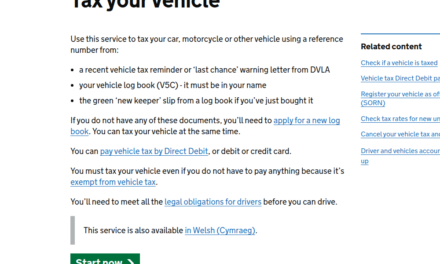
The log book still causes endless confusion. GOV.UK’s buying-a-vehicle and vehicle-tax guidance make two things clear: you need the right reference to tax the car, and if you do not have the relevant document you may need to apply for a new log book.
In practice, what matters on collection day is simple. You need a clear answer to these questions:
- has the dealer completed the keeper change process yet
- what document or reference are they giving you today
- do you have what you need to tax the car before driving it on the road
Car tax does not transfer with the vehicle. So if the dealer cannot show you the proper route for taxing it, that is not a minor admin issue. It is a reason to pause the handover.
If the full V5C is not being handed over, that is not always a disaster in itself. But you should leave with a clear written explanation of what has been done, what comes next and what document you are relying on. If the log book later goes missing, GOV.UK says form V62 is the route for applying for a replacement.
If you want the deeper version, these related guides cover the most common traps:
- Bought a car today? How to tax it before you drive it home
- Where is my V5C after buying a used car?
- Buying a used car with no V5C? Read this before you pay a deposit
3. Warranty, guarantee and breakdown paperwork
If the car is being sold with any kind of warranty, guarantee or breakdown cover, ask for the actual documents, not just a sentence from the salesperson.
Check:
- who provides the cover
- when it starts
- how long it runs for
- what major exclusions apply
- whether you must service the car on a strict schedule to keep the cover valid
- whether there is a claim limit per repair or in total
This matters because buyers often discover later that the promised warranty is much narrower than they assumed. A handover pack that says only "three-month warranty included" without provider details is not much use when something goes wrong.
4. Finance paperwork if the car is on finance
If you bought the car on HP or PCP, make sure you receive the finance agreement details and know exactly who the lender is. If the dealer settled old finance on your trade-in as part of the deal, keep written confirmation of that too.
That paperwork matters because if a problem develops, the lender may be part of the route to putting things right. It is also the easiest way to confirm later what product you signed for, what the mileage allowance is and what optional extras were rolled into the agreement.
Citizens Advice says that if something is wrong after you buy a used car from a trader, you may have legal rights to a repair, the cost of a repair, or some or all of your money back. Clear paperwork makes those conversations much easier.
5. Service history and MOT evidence
This is one of the easiest things for buyers to forget once the deal feels done. If the advert, the salesperson or the windscreen board mentioned full service history, recent servicing or a fresh MOT, collect the proof now.
That can mean:
- the stamped service book
- printed digital service history
- invoices for recent servicing or major work
- the date and mileage of the last service
- the current MOT status and any advisories
You do not need to leave with a fat folder for the car to be legitimate. Plenty of newer cars have digital records. But if the dealer sold the car on the strength of its maintenance history, make sure you actually receive that history in whatever form the manufacturer uses.
Before you set off, it is also worth checking the car’s MOT status yourself if there is any uncertainty. Our guide to reading a used car’s MOT history before you buy explains what to look for.
6. Both keys, the locking wheel nut key and any security codes
The expensive little items are the ones that get forgotten. On collection day, ask for:
- both remote keys if the car was advertised or described with two
- the locking wheel nut key if fitted
- wheel-nut key code cards where relevant
- any radio, tracker or security codes that still apply
If the dealer only has one key, that should already have been reflected in the price or agreed in writing before collection. Do not accept "we’ll probably find the other one" unless the promise to supply it is written on the invoice with a clear deadline.
If you are unsure how much a missing key can cost, our guide to lost your only car key replacement cost in the UK shows why this is not a detail to shrug off.
7. Owner’s manual, wheel kit and practical handover items
Not every missing handbook is a deal-breaker, but the small practical items still matter. Check for:
- the owner’s manual or handbook pack
- locking wheel nut key location
- tyre inflation kit or spare wheel tools if the car should have them
- charging cables if it is a plug-in hybrid or EV and they were part of the sale
- parcel shelf, load cover or removable seats if those items influenced your decision
These things are easy to replace only until you price them. A missing load cover, charging cable or tool kit can turn into a surprisingly annoying extra bill after the event.
8. Written confirmation of anything still outstanding
If the dealer is going to do anything after collection, get it written down before you leave. That could include:
- paint touch-ups
- a second key to follow
- alloy refurbishment
- a promised service
- a replacement parcel shelf
- updated sat-nav media or charging cable
- a small dent repair
This wants to be more than a cheerful promise. Put the item on the invoice or on a dated handover note signed by the dealer. If there is a timescale, write that down too.
The five-minute walk-round before you turn the key
Paperwork matters, but so does making sure the car you are about to drive away is the one you agreed to buy. Do one final calm check before you leave:
Look at the bodywork again
Take a slow lap around the car. Check for fresh scuffs, dents, cracked trim, kerbed alloys or windscreen chips that were not there when you last saw it. If you spot anything, raise it before you drive away, not after.
Check the tyres and warning lights
Make sure the tyres are in reasonable condition and that no warning lights stay on once the car is running. A car can be freshly cleaned and still have a dashboard surprise waiting for you.
Confirm fuel or charge level
Do not assume. If the dealer promised half a tank, check it. If it is an EV or plug-in hybrid, look at the actual state of charge and make sure you know what cables are included.
Match the details
Make sure the registration on the invoice matches the car in front of you. If anything feels inconsistent, stop and double-check before setting off.
Photograph the car and the documents
A few quick photos of the car’s condition, mileage and handover paperwork can save arguments later. That is not being difficult. It is just tidy buying.
Red flags that should stop the handover
Some issues are minor and some are reasons to walk back into the office. Take the latter seriously:
- no proper sales invoice
- no clear route to taxing the car legally
- missing warranty paperwork that was part of the deal
- a promised second key that nobody will put in writing
- a warning light the dealer dismisses without explanation
- damage or missing items not recorded anywhere
- paperwork that does not seem to match the car
If the dealer becomes slippery when you ask calm, basic questions, that tells you something useful.
What a dealer should do, and what you still need to do yourself
A good dealer handover should leave you with clear paperwork and no confusion about ownership, tax, warranty and what was included in the deal. But you still need to make sure the car is insured and taxed before driving it on the road. GOV.UK is explicit that you must meet the legal obligations for drivers before you can drive.
If insurance is the missing piece, our guide on setting up the insurance before you pay for the car covers the cleanest way to handle it.
The bottom line
Collection day is where a tidy used car deal either gets finished properly or starts leaving loose ends behind. The right way to treat it is not as a victory lap, but as a final inspection.
Leave with the invoice, the right keeper and tax details, any warranty paperwork, the service history you were promised, both keys if included, and written confirmation of anything still to follow. Then do one last walk-round before you pull out.
That ten-minute check is usually the difference between "simple handover" and "why am I chasing the dealer three days later?"
Frequently asked questions
Do I need the V5C in my hand to collect a used car from a dealer?
Not always, but you do need a clear and lawful route to taxing the car and confirming the keeper details. If the paperwork is unclear, do not treat that as harmless admin.
Should a dealer give me an MOT certificate?
You should at least have clear evidence of the car’s MOT status and any fresh test that was promised. Many buyers now rely on the online MOT history record, but if the dealer sold the car on the basis of a fresh MOT, make sure that stacks up.
What if the dealer only gives me one key?
If the car was sold with one key and the price reflected that, fine. If two keys were promised, get the missing one written onto the invoice with a deadline, or stop and renegotiate before collection.
Can I drive away if the dealer says they will send the paperwork later?
Only if the missing item is genuinely minor and the promise is written down. Missing paperwork that affects tax, ownership, finance or warranty is the sort of thing to sort before you leave, not after.