A car dealer may describe a vehicle as a ‘trade sale’, ‘sold as seen’ or ‘no warranty’. That wording should make a private buyer slow down, but it does not automatically remove the consumer protections that apply when a business sells a car to a consumer.
The useful question is not what the advert calls the deal. It is who is actually selling the car, who is buying it and what was said about the vehicle. If you are buying mainly for personal use from a motor trader, the Consumer Rights Act 2015 can still apply. A dealer cannot simply write away the core statutory standards by attaching a label to the invoice.
What does ‘trade sale’ usually mean?
There is no magic legal category that turns a consumer purchase into a no-rights purchase just because a dealer calls it a trade sale. In ordinary car-dealer language, it often means the seller wants the car to be treated as one that would normally be bought by the motor trade: perhaps older, high-mileage, needing work, or being sold without the dealer preparing it for retail.
That can be a sensible warning that the car may not be a polished forecourt example. It is not, by itself, an answer to the question of liability if the seller is a trader and the buyer is a consumer.
Equally, do not assume the phrase proves anything improper. The facts matter. A genuine business-to-business deal is different from a consumer purchase, and a genuine private sale is different again.
The test that matters: are you a consumer buying from a trader?
For the Consumer Rights Act, a consumer is generally an individual acting wholly or mainly outside their trade, business, craft or profession. A trader is a person acting for purposes relating to their business. That is why a car bought by a garage, dealer or business for stock is not in the same position as a family buying a car for school runs and commuting.
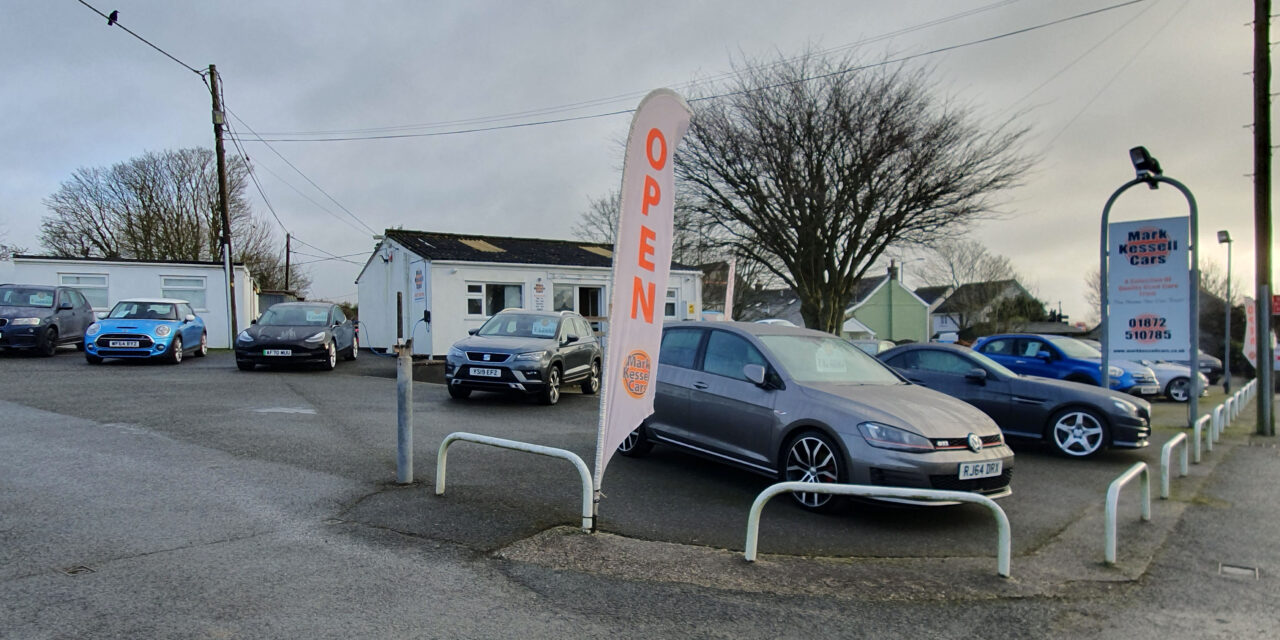
Look at the reality of the transaction, not just the invoice heading. Warning signs that you are dealing with a trader include a regular forecourt, multiple cars for sale, business contact details, card payments in a business name, a motor-trade website or repeated vehicle adverts. A seller cannot become a private individual merely by using a driveway or writing ‘trade only’ in an advert.
If the seller says the car is for trade only, ask them directly, in writing: “Are you selling this vehicle as a business to me as a private consumer?” Keep the reply with the advert, order form and receipt.
What a dealer still owes a consumer
Where a consumer buys from a trader, the car must be of satisfactory quality, fit for a particular purpose made known to the seller, and as described. The standard is not that every used car must be perfect. Age, mileage, price, condition and any defects clearly drawn to your attention all matter.
But a cheap, old car is not automatically exempt from those standards. A dealer may sell a car with a disclosed fault, such as an inoperative air-conditioning system or a noisy wheel bearing, provided that the buyer is told clearly what the issue is and what it means. The seller will have a far harder time relying on a vague phrase such as ‘sold as seen’ if a fault was not properly disclosed, the car does not match its description, or it is not of a standard a reasonable person would expect for that car and price.
Section 31 of the Consumer Rights Act says terms which exclude or restrict a trader’s liability for the core requirements on quality, fitness for purpose and description are not binding on a consumer. A warranty can be useful, but it sits alongside statutory rights rather than replacing them.
Do not confuse a known defect with a blank cheque
A buyer cannot normally complain about a problem that was specifically pointed out and understood before purchase. Nor does the law make a dealer responsible for fair wear and tear, a defect caused by the buyer, or something an inspection should plainly have revealed.
That is exactly why a trade-sale car needs better paperwork, not less. Before paying, ask the dealer to list every known defect, warning light, diagnostic code, MOT advisory, incomplete repair and missing item on the order form. If they say the car needs work, ask what work, who diagnosed it and whether it is safe to drive away. Verbal reassurance is easy to forget. Written detail is much more useful.
If something goes wrong after collection
Tell the dealer promptly and keep using the car to a minimum if continued use might worsen the issue. Preserve the advert, finance documents, invoice, messages, photographs, video and any independent diagnostic report. Do not authorise a major repair without first giving the selling dealer a clear opportunity to respond, unless there is an urgent safety reason.
For a consumer sale, the Act provides a short-term right to reject within 30 days for goods that do not conform to the contract. After that, repair or replacement is normally the first remedy, with further remedies potentially available if that does not resolve the matter. The exact route depends on timing and facts, so state the fault, what outcome you seek and a reasonable deadline in writing.
If the car was bought on hire purchase or PCP, notify the finance provider as well as the supplying dealer. The finance agreement can change who you need to pursue and the lender should know there is a dispute. Citizens Advice has practical guidance on problems with a used car, and The Motor Ombudsman may help where the business is accredited to its code.
Five checks before you agree to a ‘trade sale’ car
- Establish the seller. Save the advert and check whether the person or business is plainly trading in cars. Do not rely only on a name at the bottom of an invoice.
- Ask why it is called a trade sale. Get a specific answer: age, mileage, an identified mechanical fault, missing history or something else.
- Put every defect in writing. Generic wording is not enough for a significant issue. The paperwork should describe the actual problem and any agreed work.
- Inspect and test-drive properly. Check the DVLA details, MOT history, service evidence, tyres, warning lights and all the equipment you care about. Pay for an independent inspection if the price justifies it.
- Decide whether the saving is real. Price the repairs, insurance and recovery risk before leaving a deposit. A small discount rarely compensates for a known engine, gearbox, battery or safety problem.
When it probably is not the right car
Walk away if the seller will not identify the fault, discourages an inspection, will not let you test-drive, will not put promises on the invoice, or appears to be disguising a business sale as a private one. The same applies if the seller says a car is ‘trade only’ yet insists a private buyer sign a broad waiver without explaining the condition.
A trade-sale label can be a fair signal to a knowledgeable business buyer. For a private buyer, it is a cue to get precise, document everything and judge the car on its actual condition. It is not a reason to assume that a dealer has no obligations at all.
This article is general information, not legal advice. Consumer-law outcomes depend on the contract, evidence and individual facts.
Useful official reading: Consumer Rights Act 2015, section 9; section 19 remedies; section 31 restrictions on exclusions; and Citizens Advice on used-car problems.