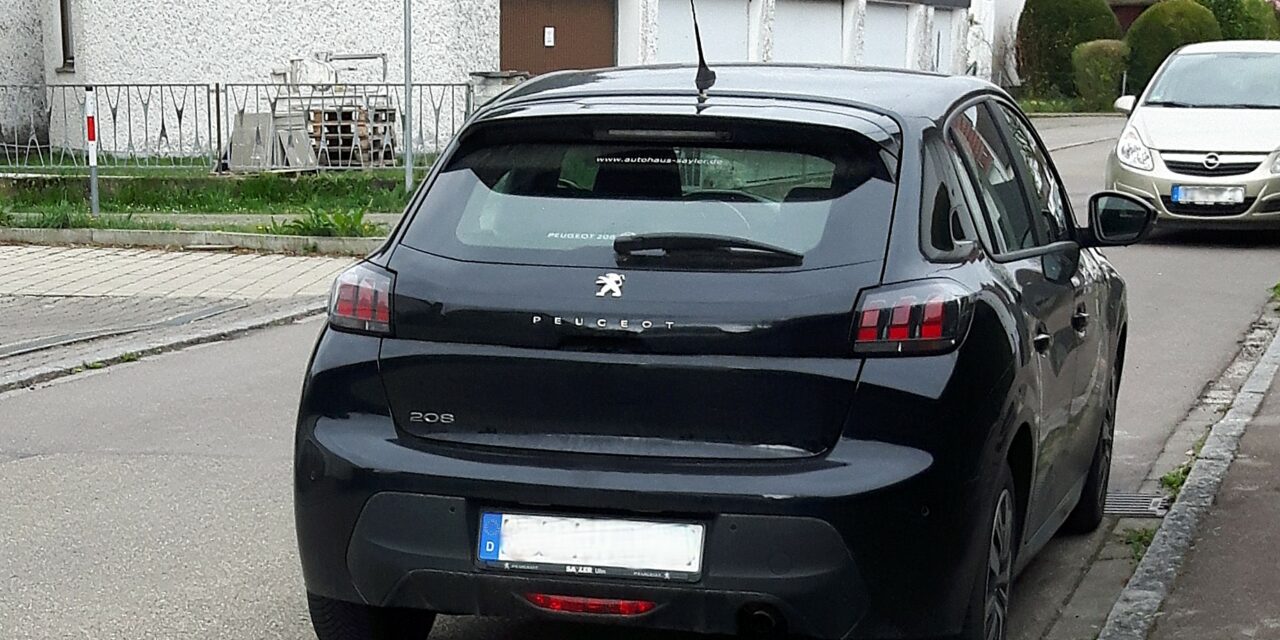
Used Peugeot 208 problems to look for are mostly about engine choice, service history and whether the car has been maintained properly. A tidy 208 can still be a smart used supermini in the UK, but a neglected one can turn into an expensive lesson thanks to PureTech timing-belt worries, diesel emissions faults, electrical glitches and the usual suspension or tyre-wear clues that show a hard town-car life.
Quick answer
If you are buying a used Peugeot 208 in the UK, check the service history before anything else, then focus on the engine, warning lights, touchscreen behaviour, clutch or gearbox feel, tyre wear and recall history. On 1.2 PureTech petrols, proof of the right oil and belt-related maintenance matters a lot. On BlueHDi diesels, short-trip use can mean AdBlue, NOx-sensor or DPF headaches. Across the range, the safest cars are the ones with believable paperwork, a clean MOT history and no vague excuses from the seller.
Why the Peugeot 208 needs a careful used-car check
The Peugeot 208 is one of those small cars that can look like an easy win on the used market. It is stylish, easy to park and cheap enough to tempt first-time buyers, downsizers and anyone replacing an older Fiesta, Corsa or Clio.
That is exactly why you need to be careful.
A lot of 208s have spent their lives doing short urban runs, brushing kerbs, skipping maintenance or getting repaired on the cheap. The good ones still make plenty of sense, but the bad ones can hide expensive engine or emissions trouble behind a shiny wash and a low monthly finance pitch.
Which used Peugeot 208 generations matter most?
First-generation Peugeot 208, 2012 to 2019
This is the cheaper end of the market and still where many UK buyers start. These cars are affordable, common and simple enough to inspect, but age and maintenance standards now matter more than trim level.
Second-generation Peugeot 208, 2019 onwards
The newer-shape 208 feels much more modern inside and usually looks the more desirable used buy. It is not automatically trouble-free, though. You still need to check servicing, electronics and recall completion carefully.
Peugeot e-208
The electric version removes some of the petrol and diesel mechanical risks, but it adds its own checks around charging, software behaviour and warning lights. If you are shopping e-208s, do not assume an EV is automatically the easy option just because it has fewer moving parts.
1. 1.2 PureTech petrol history is the big one
For many used Peugeot 208 buyers, this is the headline issue.
A large chunk of the UK used market is made up of 1.2-litre PureTech petrol cars. They can be pleasant to drive and economical, but they are not engines to buy casually if the maintenance history is weak. On these cars, oil quality, service intervals and timing-belt upkeep matter far more than a seller saying the car has "just been serviced".
Be cautious if you find:
- patchy or missing oil-service history
- invoices with long gaps between services
- low-oil-pressure warnings or engine lights
- rough or rattly cold starts
- evidence the seller knows very little about previous maintenance
- a car priced suspiciously below similar examples
This does not mean every 1.2 PureTech 208 is a bad buy. It means the safest ones are the cars with proper paperwork and a seller who can clearly show what has been done and when. If the history is vague, I would move on.
2. BlueHDi diesel cars can bite on short journeys
A used diesel 208 can still work well for drivers doing regular longer mileage, but many are now a poor match for low-mileage town use.
The risk is not just one component. It is the wider emissions system: DPF issues, AdBlue faults, sensor trouble and warning lights that become a recurring ownership story rather than a one-off repair.
Watch for:
- engine-management or emissions warnings
- poor fuel economy compared with what the seller claims
- sluggish performance or limp-home behaviour
- repeated invoices for diagnostics or sensor replacement
- signs the car has done years of very short trips
- a seller describing the warning light as "nothing serious"
For a lot of UK buyers who mainly do local driving, a well-kept petrol 208 is the easier ownership bet than a diesel with a complicated recent history.
3. Electrical glitches and touchscreen faults are common enough to test properly
The 208 has a decent cabin, especially in newer cars, but electrical niggles are common enough that you should test everything rather than trusting the dashboard to stay quiet.
The touchscreen is a known weak spot on older cars in particular, and a freezing or misbehaving system can be more than just annoying because so many functions run through it.
Before buying, test:
- the infotainment screen from startup
- Bluetooth pairing and media playback
- sat-nav if fitted
- climate-control menus and responses
- parking sensors or camera if fitted
- all dashboard warning lights at ignition and after startup
- electric windows, mirrors and USB ports
If the screen lags badly, reboots or stops responding, do not shrug it off as a minor quirk. It is exactly the kind of fault that becomes your problem the moment you pay.
4. Suspension knocks, steering feel and tyre wear tell you a lot
Small hatchbacks like the 208 often live a hard life in town. That means potholes, speed humps, kerbed alloys and steering alignment that slowly drifts out without owners doing much about it.
On the test drive and walkaround, pay close attention to:
- knocks or clonks from the front end
- the car pulling left or right
- a steering wheel that sits off-centre
- vibration through the wheel at speed
- uneven front tyre wear
- heavily scuffed alloys suggesting repeated kerb contact
Sometimes this is just poor alignment. Sometimes it points to worn suspension parts or a car that has taken harder impacts than the advert suggests. Our guide to wheel alignment vs tracking is worth a read if you want to know what tyre wear is really telling you.
5. Clutch, gearbox and drivability still matter on cheap examples
A Peugeot 208 is not especially heavy, so a healthy manual should feel straightforward and easy to drive. If it does not, assume there is a reason.
Check for:
- a high clutch bite point
- clutch slip under load
- shudder when moving away
- obstructive or vague gearchanges
- hesitation or jerky take-up on automatics
- warning messages after the test drive
Older cheap 208s are exactly the sort of cars that can be sold just before a clutch bill lands. If the pedal feel or gearchange is not right, do not convince yourself it is normal.
6. Check the body and interior like a city car, not a showroom toy
Because so many 208s have spent years in urban use, cosmetic condition can tell you a lot.
Look for:
- dents and scuffs around the corners
- kerbed wheels
- poorly matched paint from previous repairs
- damaged seat bolsters or heavily worn steering wheels
- boot trim damage
- water ingress smells or damp carpets
None of these automatically make the car a bad buy, but together they reveal how it has been treated. A seller who has ignored the obvious stuff may also have ignored the expensive stuff.
7. MOT history and recall checks are not optional
This is one of the easiest ways to avoid buying the wrong car.
Before you travel, check the car’s MOT history. Repeated advisories for tyres, suspension, brakes, lights or emissions problems often tell a more honest story than the advert. You should also use the DVSA’s vehicle recall checker and ask Peugeot or the selling dealer to confirm any recall work has been completed.
That matters because the 208 has appeared in recall records across different model years and powertrains. A recall is not a reason to reject a car on its own, but a seller who cannot show that safety or software campaigns were dealt with is giving you unnecessary risk.
What to inspect before buying a used Peugeot 208
Start it from cold
A cold start gives you the best chance of spotting rattles, smoke, rough idle or warning lights that a warmed-up engine can hide.
Read the service record properly
Do not settle for "full history" as a vague claim. Read the invoices and service stamps. On PureTech petrols especially, this is the difference between a sensible used buy and a gamble.
Check the tyres in detail
Tyres reveal alignment, suspension condition and how cheaply the car has been run. Mismatched bargain rubber on all four corners is rarely a reassuring sign.
Test every screen and switch
The 208’s cabin tech is part of the appeal, so make sure it all works while you still have the option to walk away.
Drive it on mixed roads
A quick spin around the block is not enough. You want rougher roads, a faster stretch and at least one restart when the car is warm.
Which used Peugeot 208 is the safer buy?
For most buyers, the safer used Peugeot 208 is the one with the strongest service history rather than the lowest price or flashiest trim.
As a rough rule, I would be most cautious around:
- 1.2 PureTech petrol cars with vague maintenance history
- diesel cars that have lived on short urban trips
- any 208 with warning lights or touchscreen glitches
- cars showing uneven tyre wear or front-end knocks
- examples with repeated MOT advisories that keep returning
- sellers who cannot confirm recall work has been done
If you are cross-shopping other small and small-SUV used buys, it is also worth reading our guides to used Dacia Sandero problems to look for, used Nissan Juke problems to look for and used Ford EcoSport problems to look for.
Is a used Peugeot 208 a sensible buy in the UK?
Yes, it can be, but only if you buy on condition and paperwork rather than charm.
A good used 208 should have:
- clear service history
- no unexplained warning lights
- tidy, even tyre wear
- stable steering and no front-end noises
- a touchscreen and cabin electrics that all work properly
- recall work completed where relevant
Buy carefully and the 208 can still be a stylish, economical small car. Buy the cheapest one with a fuzzy backstory and it can become an expensive catch-up project.
The bottom line
The main used Peugeot 208 problems to look for are weak PureTech service history, diesel emissions-system trouble, touchscreen and electrical glitches, front-end wear, clutch or gearbox issues and signs of a hard urban life. None of that means you should avoid the 208 altogether. It just means the best used examples are the ones with strong paperwork, a calm test drive and no unanswered questions.