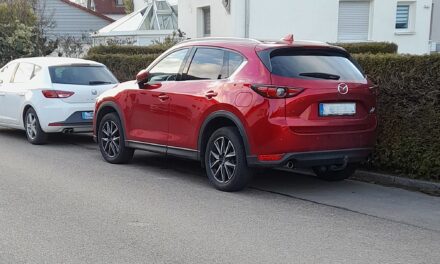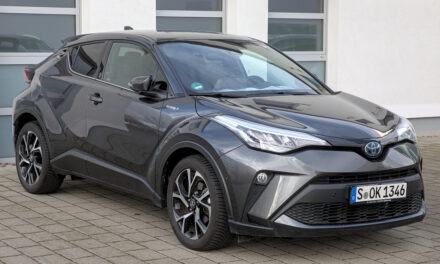
Used Ford EcoSport problems to look for mostly come down to engine choice, maintenance history and whether the car has been cared for properly. A good EcoSport can still make sense as a cheap used small SUV, but a neglected one can quickly become a false economy thanks to timing-belt worries on some 1.0 EcoBoost cars, diesel DPF issues on short-run cars, tired clutches, suspension knocks and patchy electrical faults.
Quick answer
If you are buying a used Ford EcoSport in the UK, check the service history first, then pay close attention to the engine, clutch, steering feel, suspension noises, tyre wear and any warning lights. On 1.0 EcoBoost cars, regular oil changes matter more than ever. On diesel cars, repeated short trips can mean DPF trouble. Across the range, you should also check the online MOT history and make sure any recall work has been completed.
Why the Ford EcoSport needs a careful used-car check
The Ford EcoSport has never had the same rock-solid reputation as a Fiesta or Focus. It sold well enough in the UK because buyers liked the raised driving position and compact footprint, but it has always been a car where condition matters far more than badge appeal.
That is especially true now prices have fallen into tempting territory. Cheap EcoSports are easy to find, but they are not all cheap to own. The right one can be a practical runabout with a useful boot and easy access. The wrong one can leave you chasing engine, clutch or suspension bills straight after you buy it.
Which Ford EcoSport versions are worth knowing about?
Early Ford EcoSport, 2014 to 2017
These are the first UK-market cars. They are easy to spot thanks to the older styling and, on many examples, the rear-mounted spare wheel on the tailgate.
These early cars tend to feel the cheapest inside and are the ones most likely to have patchy histories or obvious wear. They are also the age where long-term maintenance really starts to matter.
Facelift Ford EcoSport, 2018 to 2022
The facelifted EcoSport is the better used bet for most buyers. Ford improved the interior, tidied up the styling and made the car feel more mature.
That does not mean later cars are fault-free. It just means they usually feel less bargain-basement and are easier to recommend if the paperwork is right.
1. 1.0 EcoBoost timing-belt and servicing worries
For many used buyers, this is the biggest thing to ask about on a petrol EcoSport.
The 1.0 EcoBoost engine can make the EcoSport feel lively enough, but it is not an engine to buy casually if the maintenance record is weak. Regular servicing with the correct oil matters, and any gaps in the history should make you slow down and ask more questions.
Warning signs include:
- incomplete or irregular oil-change history
- rattling or roughness on cold start
- oil-pressure or engine-management warnings
- invoices showing repeated investigations into engine noise or oil-related faults
- a seller who cannot clearly explain what servicing has been done and when
Even if the car sounds fine on the day, poor maintenance on a small turbo petrol is not something to shrug off. A slightly pricier EcoSport with convincing history is usually the safer buy than a bargain car with a vague story.
2. Diesel DPF trouble on short-trip cars
If you are looking at a 1.5 TDCi EcoSport, think carefully about how it has been used.
Diesel EcoSports can make sense for drivers who regularly cover longer distances, but they are less convincing if they have spent years doing cold-start school runs and short urban journeys. That sort of use can lead to diesel particulate filter trouble.
Things to watch for:
- DPF or engine warning lights
- sluggish performance
- hesitation under load
- frequent regeneration behaviour
- poor fuel economy compared with what the seller claims
- invoices for forced regenerations or repeated emissions-related work
For many UK buyers doing mixed or mainly local mileage, a well-kept petrol EcoSport is the easier ownership choice.
3. Clutch wear and tired manual gearboxes
A lot of EcoSports in the UK are manuals, and most are fine if they have been driven and maintained properly. The problem is that many now live in the exact kind of stop-start use that wears clutches out.
On the test drive, check for:
- a high bite point
- clutch slip when accelerating in a higher gear
- shudder when moving away
- a heavy pedal
- vague or obstructive gear selection
None of these automatically make the car a write-off, but they should affect the price. A cheap EcoSport stops looking cheap very quickly if it needs clutch work soon after purchase.
4. Suspension knocks, steering feel and uneven tyre wear
The EcoSport was never the most polished small SUV, so a slightly firm ride is normal. Knocks, clonks and messy tyre wear are not.
Pay attention to:
- front-end knocks over broken roads
- steering that pulls to one side
- a steering wheel that sits off-centre
- uneven wear across the front tyres
- obvious vibration through the wheel at speed
- signs that the car has hit kerbs repeatedly
Some of this can be simple alignment or tyre neglect, but it can also point to worn suspension parts or accident damage. If you want a useful background read, our guide on wheel alignment vs tracking explains why tyre wear is one of the best used-car clues you can get.
5. Electrical glitches and infotainment niggles
The EcoSport is not unusual in this class for developing the odd electrical irritation as it ages. That can be as minor as a temperamental infotainment screen or as annoying as recurring warning lights and sensor faults.
Before buying, test everything properly:
- touchscreen and Bluetooth functions
- reversing camera if fitted
- parking sensors
- electric windows and mirrors
- air conditioning
- heated screen and heated seats where fitted
- every dashboard warning light on ignition and after start-up
Do not accept "they all do that" as an answer. Electrical faults are easy for a seller to downplay and frustrating for a buyer to trace later.
6. Water leaks, worn trim and signs of hard family use
Because the EcoSport was bought by a lot of families and town drivers, condition can vary wildly. Some used examples feel tidy and lightly used. Others feel as though every corner was scraped, every seat was kicked and every service was delayed.
Check closely for:
- damp smells or wet carpets
- tailgate or door-seal leaks
- badly scuffed interior plastics
- damaged boot trim
- broken seat-adjustment handles
- a boot area that suggests heavy or careless use
None of that is catastrophic on its own, but together it can reveal how the car has really been treated.
7. Recall history and official checks still matter
This is one area where it is worth being methodical.
The UK government recall database shows EcoSport recalls affecting some model years, including a lower control arm weld issue on some 2017 cars, a seatbelt locking-mechanism recall on some 2021 cars and software-related campaigns on certain later examples. That does not make every EcoSport a bad buy, but it does mean you should ask for proof that recall work has been completed.
Use the government recall checker and, if in doubt, ask a Ford dealer to confirm the car is up to date. It is also worth checking the official MOT history before you travel to view the car. Repeated advisories for tyres, brakes, suspension or lighting often tell you more than the seller’s advert does.
What to inspect before buying a used Ford EcoSport
Start it from cold
A cold start can reveal rattles, smoke, rough idle and warning lights that a warmed-up engine may hide. If the seller has already heated the car up before you arrive, ask why.
Read the service history properly
Do not settle for "full history" as a vague promise. Read the stamps and invoices. On EcoBoost cars especially, evidence of regular oil changes matters.
Check the tyres carefully
Tyres tell you a lot about maintenance standards. Uneven wear, mismatched cheap brands or badly curbed wheels should all make you look closer.
Drive it on mixed roads
A quick lap of the estate is not enough. You want town speeds, rougher surfaces, a faster stretch and at least one restart once the car is warm.
Look underneath if you can
As older EcoSports age, brake and suspension condition matters more. Surface corrosion is one thing. Heavy neglect is another.
Which used Ford EcoSport is the safer buy?
For most buyers, a facelifted 2018-on EcoSport with a clear service record is the safer place to start. It is the nicer car overall and generally feels less cheap inside.
If you are shopping earlier cars, I would be most cautious around:
- petrol cars with weak servicing history
- diesel cars used mainly for short trips
- any car with steering or suspension knocks
- cars with repeated MOT advisories that were never really sorted
- examples where the seller cannot show recall completion or sensible paperwork
If you want a feel for how rivals stack up, it is also worth reading our guides to used Nissan Juke problems to look for, used Vauxhall Mokka problems to look for and our own Ford EcoSport review.
Is a used Ford EcoSport a sensible buy in the UK?
Yes, it can be, but only if you buy on condition and history rather than price alone.
A good used EcoSport should have:
- believable servicing records
- no unexplained warning lights
- tidy tyre wear and stable steering
- a clutch that feels healthy
- no obvious signs of damp or neglect
- recall work completed where relevant
The EcoSport is not the class benchmark, but a decent one can still work well as a compact, easy-to-drive used SUV. The key is avoiding the cars that have been run on a budget.
The bottom line
The main used Ford EcoSport problems to look for are patchy servicing on 1.0 EcoBoost petrols, diesel DPF trouble on short-run cars, clutch wear, suspension knocks, electrical niggles and evidence of unresolved recalls. Find one with strong history and a clean test drive, and it can still make sense. Buy the cheapest one blindly, and it can turn into a frustrating money pit.