If you are looking at the same model in two places and the approved used example is noticeably dearer, the badge alone should not be enough to win you over. Sometimes the extra spend buys real value. Sometimes it buys a cleaner showroom, a nicer handover and not much else.
The point of an approved used scheme is simple. A manufacturer-backed or franchised-dealer car should come with more checks, clearer history and stronger aftercare than an ordinary used car sitting on a random forecourt. But the gap is not always as wide as buyers assume, and the legal protection you already get from a dealer sale still matters more than many people realise.
Here is how to work out whether the approved used premium is justified.
What an approved used car is supposed to mean
In the UK, an approved used car is usually sold through a franchised dealer and backed by the brand or its dealer network. The exact package varies, but the promise is broadly the same: the car has passed a defined inspection process, its history has been checked and it comes with some extra cover after the sale.
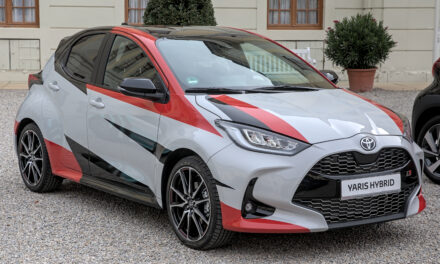
Current manufacturer schemes show how varied those packages can be. BMW says its Approved Used cars are inspected by BMW experts and come with a minimum 12 month unlimited mileage warranty, minimum 12 months roadside assistance and minimum 12 months MOT cover. Toyota says its Approved Used cars go through a 145 point technical check, include 12 months roadside assistance and may qualify for Toyota warranty cover up to 10 years old or 100,000 miles if the servicing conditions are met.
That sounds reassuring, and often it is. But the important word is often. Approved used is not a magic shield against future faults, a rough previous life or a bad deal.
The first thing to remember: dealer rights do not start with the badge
If you buy a used car from a dealer and something is wrong with it, your rights do not depend on whether the car was approved used or just part of the dealer’s standard stock.
Citizens Advice is clear that if there is a fault, you may have a legal right to a repair, the cost of a repair, or some or all of your money back. That includes cases where the car is damaged, does not work properly or does not match the advert or description. You are not usually entitled to a remedy for faults you were clearly told about before purchase, problems you should have spotted on inspection, damage you caused yourself or normal fair wear and tear.
That matters because some buyers treat approved used cover as if it replaces normal consumer protection. It does not. Think of it as a layer on top.
What the extra money should buy you
If an approved used car is several hundred or several thousand pounds more than a similar non-approved example, you should be able to point to concrete benefits.
1. A proper inspection that the dealer can describe
A vague line in the advert saying the car has been checked is not enough. Ask what was actually inspected, whether tyres and brakes had to meet a minimum standard, whether software updates or recalls were checked and whether any refurbishment was done before sale.
A serious approved used scheme should have a named inspection process, not hand-waving.
2. A verified history, not just a tidy sales pitch
You want clear evidence of service history, mileage consistency and whether the car has had the sort of use that could matter later. A dealer should be able to explain gaps, invoice history and outstanding recall status without getting defensive.
3. A warranty with useful coverage
This is where many buyers assume they are getting more than they really are. Read the warranty terms. Check:
- how long it lasts
- whether there is a mileage cap
- whether it is manufacturer-backed or third-party
- what major exclusions apply
- whether diagnostic costs are included
- whether wear-and-tear items are excluded
A strong approved used package often includes a worthwhile warranty. A weak one can be little more than a sales tool.
4. Roadside assistance and MOT cover that you would otherwise pay for
These extras are not fluff if you would have bought them anyway. BMW includes roadside assistance and MOT cover in its approved used package. Toyota includes 12 months roadside assistance with its approved used cars. For some buyers, especially those stretching to a car at the top of budget, that added back-up has real value.
5. Better preparation before handover
The right approved used car should feel more sorted on collection day. Not just washed and polished, but supplied with sensible tyre life, service items up to date, both keys if applicable and paperwork in order.
If the car still needs obvious catch-up work, the premium starts to look harder to defend.
6. Brand knowledge on model-specific weak points
A franchised dealer should usually know the known trouble spots, software campaigns and trim-specific issues on that model better than a general used-car site. That does not mean every franchised dealer is brilliant, but in theory it is part of what you are paying for.
7. A cleaner exit if something goes wrong
If the car develops a problem soon after purchase, a stronger dealer network and a manufacturer-linked process can make life easier. That is not guaranteed, but it can be a real advantage over buying from a weaker operator that becomes slippery the moment there is a complaint.
When the premium is usually worth it
An approved used car tends to make more sense in a few specific situations.
You are buying something expensive or complex
The more complicated the car, the more valuable a strong inspection and meaningful warranty can be. This is especially true for premium models packed with electronics, automatic gearboxes, adaptive suspension or hybrid systems.
You are comparing near-identical cars
If the approved used car is only a modest amount more than a similar non-approved example, and the package includes a useful warranty, roadside assistance and better prep, the maths can swing in its favour quite quickly.
You want lower hassle, not just the lowest price
Some buyers are happy to take on more legwork to save money. Others want a cleaner route with less uncertainty. Approved used can suit the second group, provided the actual benefits are real and the price gap is sensible.
You are using dealer finance and the whole package stacks up
Sometimes the approved used car comes with a finance offer that narrows the real-world price difference. That should never blind you to the total cost, but it can change the calculation.
When it often is not worth paying extra
Just as important is knowing when the badge is being overvalued.
The car is priced far above comparable examples
If the approved used version is significantly dearer than well-documented, well-reviewed alternatives from reputable dealers, the premium can easily outrun the benefit.
The warranty is thin or heavily restricted
A 12 month warranty sounds good until you discover large exclusions, claim limits or awkward third-party processes. If the cover is weak, it should not command a strong premium.
The preparation is ordinary
If the tyres are half-spent, the service is due soon, there is only one key or the car still has unresolved cosmetic and paperwork issues, ask yourself what exactly the premium bought.
The dealer leans on the badge instead of answering questions
A good approved used car should stand up to scrutiny. If the salesperson keeps repeating that it is approved used without clearly explaining condition, history, cover and prep, that is a warning sign.
A simple side-by-side check before you say yes
If you are weighing an approved used car against a non-approved alternative, compare them on this basis rather than on badge value alone.
| Check | Approved used car | Non-approved dealer car |
|---|---|---|
| Price difference | How much more are you paying in pounds, not just monthly figures? | Is the saving large enough to self-insure some risk? |
| Warranty | Length, exclusions, claim limits, who backs it | Any included warranty, or would you buy separate cover? |
| Breakdown cover | Included or not | Included or not |
| Inspection | Named scheme with a published checklist | General prep only, or proper evidence of checks? |
| Service history | Complete and easy to verify? | Complete and easy to verify? |
| Tyres, brakes, MOT, servicing | Freshly sorted or nearing spend points? | Freshly sorted or nearing spend points? |
| Dealer reputation | How will this dealer behave if there is a fault? | Same question, possibly even more important |
If the approved used car wins clearly on most of those lines, the extra spend may be justified. If it does not, the badge alone should not carry the argument.
Questions to ask before paying the approved used premium
Ask these before you put down a deposit:
- What exact inspection was carried out, and can I see the report?
- Is the warranty manufacturer-backed or third-party?
- What are the main warranty exclusions and claim limits?
- Are roadside assistance and MOT cover included, and for how long?
- Have all recalls and software updates been completed?
- What tread depth is left on each tyre, and how much brake life remains?
- Does the car come with two keys, locking wheel nut, handbook and full service evidence?
- What makes this car worth the premium over the similar one down the road?
A good dealer should answer those comfortably.
The bottom line
An approved used car can absolutely be worth more than an ordinary dealer car, but only when the premium buys something you can name and use. The strongest cases are where you get a properly prepared car, a meaningful warranty, solid aftercare and a small enough price gap that the extra reassurance is not overpriced.
If the difference is mostly marketing, showroom gloss and a badge on the advert, save your money and judge the actual car instead.
The smartest buyers do not ask whether a car is approved used. They ask what that approval is genuinely worth on this specific car, at this specific price, from this specific dealer.