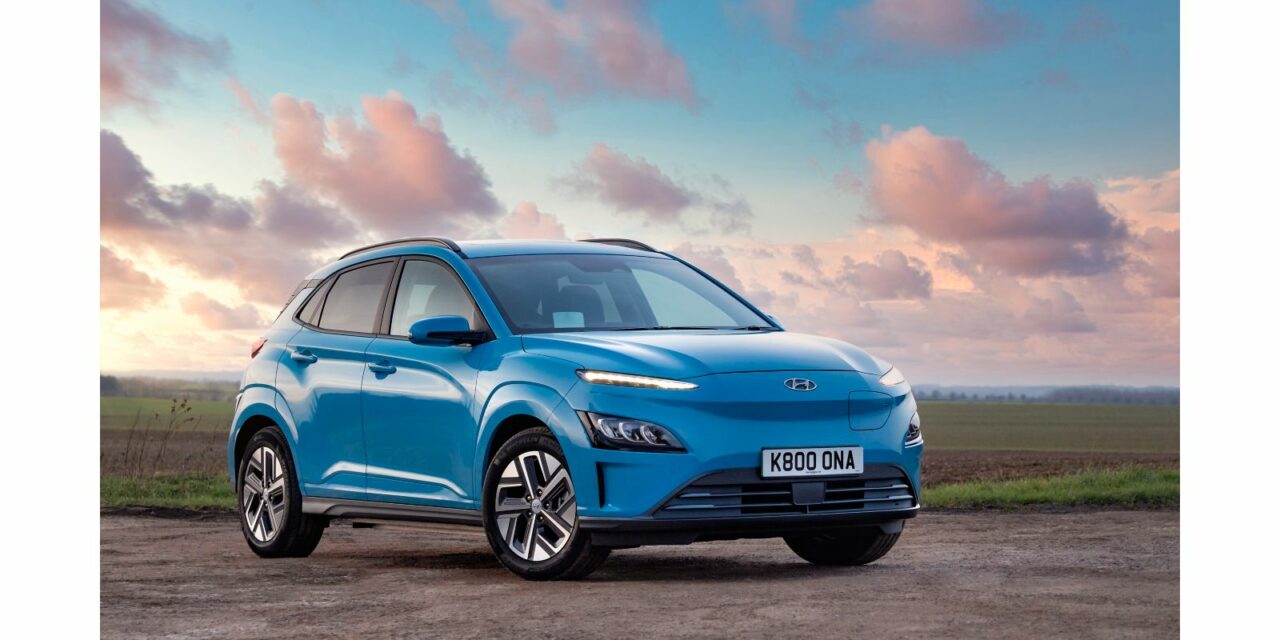
The Hyundai Kona Electric is one of the used EVs that can make a petrol SUV look surprisingly expensive to run. It is compact outside, often generously equipped and available with more than one battery size. That last point is why a promising advert needs more than a quick look at its claimed range.
A tidy Kona with a healthy high-voltage battery and reliable charging can be an excellent used buy. A cheap one with an unclear specification, a missing cable or a fault that has never been properly diagnosed can quickly lose its bargain appeal. This is the order to check one in before money changes hands.
Start by identifying the exact Kona Electric
Do not rely on the seller calling it a “long-range” model. Early UK Kona Electrics were sold with different battery capacities, and the later-generation car is a substantially different shape and package. Ask for the registration number and VIN, then make sure the model year, battery version, trim and advertised equipment all line up with the car in front of you.
The DVLA vehicle-information service is a sensible free first check. It can confirm basics including first-registration date, fuel type, MOT expiry and the last V5C issue date. It cannot tell you the battery’s condition, but it is very good at exposing an advert whose basics do not add up.
If the advertised range is central to your decision, pin down which official test figure applied when that particular version was new. A larger-battery car, a smaller-battery car and a newer model should not be priced or judged as though they are identical. Real-world range also changes with temperature, speed, tyres, heating and the route, so do not treat a dashboard estimate as a laboratory result.
Ask for evidence on the battery, not a reassuring sentence
“Battery health is great” is not evidence. Ask whether the seller can provide a recent battery-health report and who produced it. A franchised Hyundai retailer or EV specialist may be able to explain what test was carried out and what it measures. If there is no report, that is not automatically a reason to reject the car, but it is a reason to make your offer and inspection more cautious.
On the viewing, photograph the state of charge, the displayed range and the ambient temperature. Then ask the seller to show the car charging. The useful test is not merely seeing a cable in the boot. If practical, connect it to a compatible charge point, check that the connector locks correctly, confirm charging begins and look for warning messages. For a higher-value purchase, an independent EV inspection is money better spent before, rather than after, you own the problem.
Do not confuse the traction battery with the ordinary 12-volt battery. The small 12-volt battery still runs everyday systems and can cause no-start or warning-light trouble if it is weak. Ask its age and test it as part of a normal used-car inspection.
Make charging part of the test drive
A Kona Electric should be assessed as an electric car, not just as a quiet small SUV. Before setting off, check the charge flap, socket cover and cable condition. Confirm exactly which leads are included and whether they are the ones you need at home. A portable three-pin lead, a Type 2 lead and a public rapid-charging cable do different jobs, and not every used car comes with every item.
Use the drive to check more than acceleration. Try the drive modes, regenerative-braking settings, climate control, touchscreen, reversing camera, parking sensors, cruise control and driver-assistance warnings if fitted. A brief drive also reveals steering pull, suspension knocks, tyre noise and brake corrosion that an electric drivetrain can otherwise mask.
Look closely at the tyres. EVs are heavy and deliver instant torque, so mismatched tyres, cheap replacements or uneven wear deserve a proper explanation. Check that the tyre sizes and load ratings are appropriate for the exact vehicle, rather than assuming a tyre that fits physically is suitable.
Read the MOT history like a maintenance record
The MOT does not test high-voltage battery health, and an MOT pass is not a warranty. It is still one of the best free ways to see whether the car has a pattern of neglected tyres, brakes, suspension or lighting. The official MOT-history checker shows pass and fail results, recorded mileage and advisories for tests in Great Britain.
Pay attention to repeat advisories rather than chasing a single old item. Brake discs, tyres and suspension parts may have been flagged more than once because a car has had little use or has been maintained cheaply. Compare the recorded mileage with the dashboard and invoices. If the history is missing for a period when the car should have been tested, ask why.
Check recalls, servicing and software before agreeing a price
Ask the seller for the service record, including digital entries and invoices, and call a Hyundai retailer with the VIN if they will confirm whether routine work or safety campaigns remain outstanding. The government’s used-vehicle guidance also points buyers to recall checks, and the MOT-history service may show a safety recall where the manufacturer has supplied that information.
Software updates can matter on an EV because they may affect charging, infotainment or battery-management behaviour. Do not assume an update has been done because the screen looks current. Ask what was completed, where and when, then keep the answer with the vehicle paperwork.
Hyundai’s warranty terms, the start date and any remaining mileage allowance should be verified against the specific VIN and service history. Do this before treating “manufacturer warranty remaining” as part of the value. The current Hyundai UK Kona Electric page is useful for understanding the present model, but it is not a substitute for paperwork for the used car you are buying.
Price the whole switch, not just the car
Before leaving a deposit, get an insurance quote using the exact registration, check your parking and charging plan, and price the missing items. A replacement home cable, a set of correct tyres, a service or a 12-volt battery can turn a small saving into no saving at all. If you cannot charge at home, test the public-network apps and payment methods you will actually use on your regular routes.
Also keep the handover basic but disciplined. Make sure the V5C details, both keys, locking-wheel-nut key, manuals, charging leads and any service invoices are physically present. A dealer should be willing to put agreed repairs, accessories and collection date in writing. A private seller should not pressure you into skipping checks because another buyer is supposedly on the way.
The sensible used Kona Electric decision
A used Hyundai Kona Electric is worth shortlisting if the battery version suits your journeys, the car charges cleanly, its paperwork is consistent and the price leaves room for normal used-car work. Walk away, or arrange an independent inspection, if the seller cannot identify the battery variant, will not let you see charging start, or offers only vague assurances about warnings and servicing.
The right car is not necessarily the one showing the largest dashboard range on the day. It is the one whose specification, condition and evidence let you buy with your eyes open.