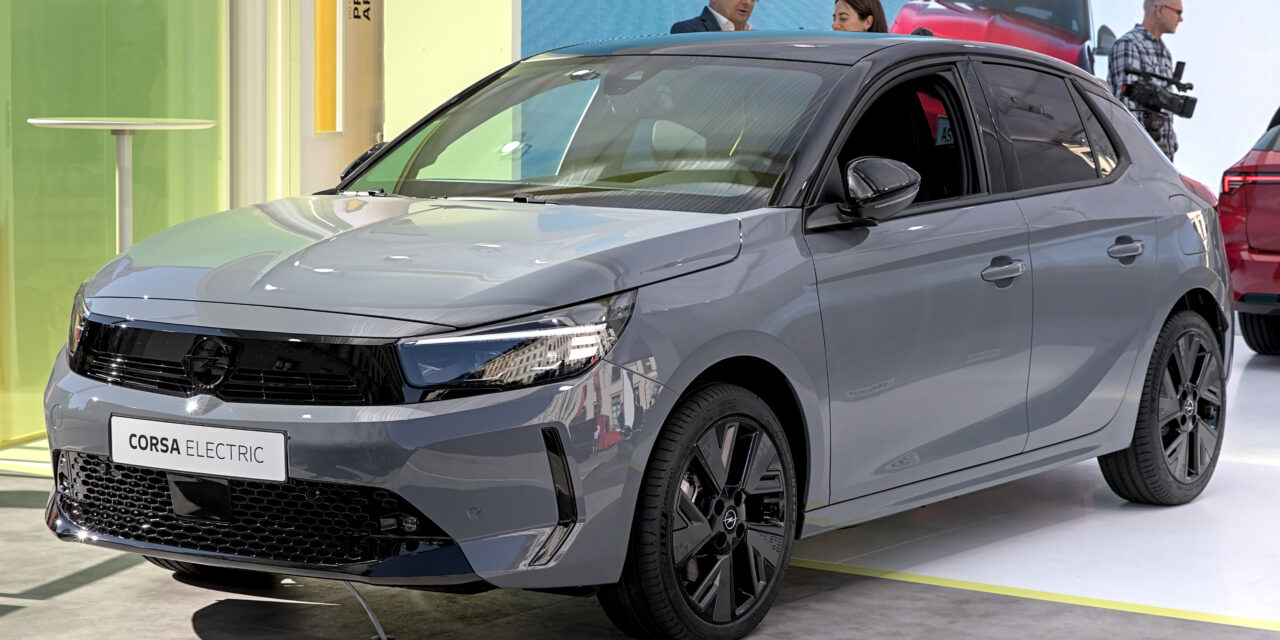
Used Vauxhall Corsa: skip the cheapest one and shop like this instead
The used Vauxhall Corsa sits in one of the busiest parts of the UK market for a reason. It is easy to park, easy to insure compared with many larger cars, and there is usually plenty of choice whether your budget is closer to first-car money or nearly-new money.
That abundance is the catch as well as the appeal.
A tidy Corsa with the right engine, clean history and sensible previous ownership can be a straightforward buy. A cheap one bought purely on badge, monthly payment or low headline price can turn into a string of avoidable compromises.
If you want the short version, start by separating the older 2014 to 2019 Corsa from the newer 2019-on car. The newer shape feels more modern, offers better infotainment and safety kit, and is the one most buyers should chase if the budget allows. Vauxhall’s current Corsa overview also shows how broad the line-up now is, with petrol, hybrid and electric versions available, while Euro NCAP’s 2019 test covered petrol, diesel and battery-electric variants of the current shape.
The quick answer
If you are buying a used Vauxhall Corsa in the UK, the safest mainstream bet is usually a well-kept newer-shape petrol car with strong service history and no warning lights. If the car is older, pay even more attention to maintenance evidence, tyre condition, clutch feel, suspension noise and MOT history. If you are looking at a Corsa Electric, confirm charging suitability for your life and get clear written confirmation of how much battery warranty remains.
The cars to treat more cautiously are the very cheapest examples with vague paperwork, older diesels that have mainly done short urban trips, and any automatic that feels hesitant or unpleasant in slow traffic.
Why the Corsa still matters in the used market
Vauxhall calls the Corsa the UK’s bestselling small car, and that matters because it tells you two things straight away.
First, there is a huge used pool to choose from, which is good news if you want a specific budget, gearbox or trim. Second, popularity means plenty of buyers end up shopping on autopilot. They assume every Corsa is a safe default, then pick the cheapest local example and hope the badge does the thinking for them.
That is where mistakes creep in. The gap between a well-bought Corsa and a tired one is wider than the advert photos often suggest.
Which used Corsa deserves your money?
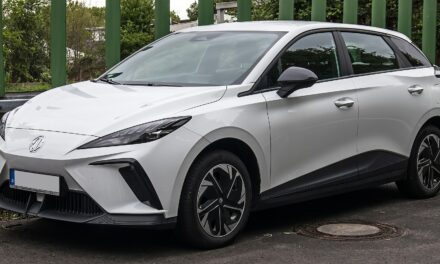
Newer-shape Corsa, 2019 onwards
This is the Corsa most people should start with.
Honest John’s current review says the 2019-on Corsa remains smartly styled, well equipped and easy to drive, even if it is not the class leader for ride comfort or rear-seat space. Parkers is also positive about the car’s fuel economy, turbo petrol engines and standard equipment, while noting that the cabin still feels cheaper than the best rivals and that the automatic gearbox is not always the smoothest option.
That lines up with the sensible used-buying view. If you want a Corsa that feels modern enough not to date the moment you buy it, this is the one.
For most buyers, this generation makes the most sense in simple petrol form. Vauxhall’s own current model overview says the Corsa line-up includes standard petrol with manual and automatic transmission, plus hybrid and electric versions. Unless you know you specifically want hybrid or electric, a tidy petrol example keeps the buying decision simpler.
Vauxhall’s current trim walk-through also makes the range logic fairly clear. YES is pitched as the value-led car with the key kit most people want, GS adds the sportier look, and Ultimate is the premium-feeling option. On the used market, that usually means the middle of the range is where value often lives. Paying a little extra for the right engine and a believable history makes more sense than paying a lot extra for the biggest wheels and a longer equipment list.
Older Corsa E, 2014 to 2019
If your budget is tighter, this older shape can still make sense, but you need to buy it more carefully.
Parkers’ used review for the 2014 to 2019 Corsa describes it as fundamentally reliable and cheap to run, and it is especially positive about the sweeter 1.0-litre engines sold in that period. It is not quite as sharp to drive as the best small-car rivals, but that is not the main issue on the used market now.
The real issue is age and ownership history. These cars are old enough that condition matters more than trim level. A higher-spec car with poor servicing is not the smarter buy. A humbler one with obvious care and decent paperwork often is.
Where the sensible sweet spot usually is
For most UK buyers, the sweet spot is not the cheapest Corsa on the forecourt and not the fanciest one either.
It is usually a newer-shape petrol car with evidence of regular servicing, clean MOT history and no obvious signs of corner-cutting. That gives you a car that still feels current without forcing you into the extra complexity or cost of choosing a version you do not really need.
If your budget drops into older Corsa territory, the car should compensate you with a proper maintenance story. If it cannot, walk away and keep shopping.
Petrol, hybrid or electric?
This is where plenty of used buyers waste time, because they start with the badge and only later think about how the car will be used.
Petrol
Petrol is still the easy default. It suits the broadest mix of commuting, school runs, short hops and occasional longer trips, and it keeps the ownership questions straightforward.
Hybrid
The newer hybrid versions are worth a look if most of your miles are urban or suburban and the used-price gap over an equivalent petrol is sensible. They can make town driving feel calmer, but the hybrid badge alone is not a reason to overpay for a car with weaker history.
Electric
Electric is the one to choose deliberately rather than aspirationally. If you have dependable charging and you know your weekly mileage pattern, it can be a smart used buy. If you are trying to make the charging question solve itself after purchase, you may be happier in petrol.
When the electric Corsa makes sense
The Corsa Electric can be a very good used buy, but only for the right life.
Vauxhall’s current Corsa overview quotes up to 266 miles of WLTP range for the electric version, and the brand’s electric maintenance and warranty pages say its EVs come with an eight-year, 100,000-mile battery warranty that is transferable and guarantees at least 70 per cent charging capacity during the warranty period.
That is useful reassurance, but it is not a free pass to skip the homework.
Before you buy a used Corsa Electric, ask:
- what is the first registration date and current mileage?
- how much battery warranty is left in years and miles?
- does the seller have proof of servicing and software updates?
- are both charging cables present if they were originally supplied?
- does your home, workplace or regular routine actually suit EV charging?
If you can charge cheaply at home and most of your driving is local or regional, a used Corsa Electric can make a lot of sense. If you rely heavily on motorway runs or patchy public charging, the petrol car is often the easier answer.
The automatic deserves a harder test drive
This is one area where you should not buy with your eyes alone.
Parkers specifically flags the Corsa automatic as a weaker point, describing it as jerky. That does not mean every automatic Corsa is a bad car, but it does mean you should test it in the exact sort of driving where poor calibration shows up.
Do not settle for a quick spin around a clear dual carriageway. Drive it in slow traffic, on a hill, when reversing and when easing away from junctions. If it feels clumsy enough to annoy you during a ten-minute drive, it will not become more charming after six months of ownership.
Do not ignore safety just because it is a small car
The current-shape Corsa received a four-star Euro NCAP rating in 2019. Euro NCAP said occupant protection was generally good in several impact tests, but a four-star result is still worth noting if you are comparing it with newer rivals or spending more money on a nearly-new example.
In plain English, do not assume all small hatchbacks are interchangeable on safety. Compare the exact car in front of you, especially if advanced driver-assistance kit matters to you.
The checks worth making before you leave a deposit
1. Read the MOT history properly
Do not stop at the word pass.
A used Corsa with repeat advisories for tyres, brakes, springs, suspension or corrosion is telling you how the car has been treated. Motoring Mojo’s guide to reading a used car’s MOT history before you buy is worth applying here, because a clean recent pass means very little if the previous years show the same neglect coming round again and again.
2. Look for a believable service story
A stamped book alone is not enough. You want invoices, dates, mileages and signs that routine maintenance happened when it should have done. On an older Corsa, this matters more than cosmetic tidiness.
If the seller is vague, the car is vague.
3. Check the tyres as a proxy for ownership standards
Cheap mismatched tyres on a budget hatchback are common, but they still tell you something. If an owner has saved money on the only parts connecting the car to the road, be cautious about what else got deferred.
4. Listen for suspension and drivetrain complaints on the move
You are not trying to diagnose the whole car in a car park. You are looking for obvious signs that the price is low for a reason.
Knocks over bumps, steering that does not self-centre naturally, a clutch that bites awkwardly, or an automatic that shuffles and hesitates are all reasons to slow the deal down.
5. Check insurance before you fall for the monthly payment
Corsas can be reasonable to insure, but not every version lands in the same place. Before you get attached to a particular trim, engine or age, run the quote. Motoring Mojo’s recent guide to car insurance groups explains why this is one of the quickest ways to avoid a bad shortlist.
6. Check recall completion
This is free, quick and still skipped too often. Use the maker or government route and confirm that any outstanding recall work has been done before collection. Motoring Mojo’s used car recall check guide covers the basic process.
Which sellers deserve more caution?
A Corsa is exactly the sort of car that attracts rushed retailing because dealers know it will always bring enquiries.
Be more careful when:
- the advert is light on detail but heavy on finance language
- the photos avoid wheels, interior wear or close-ups of damage-prone areas
- the seller cannot explain missing history clearly
- the car has a fresh MOT but an untidy advisory pattern before it
- the deal feels designed to rush you into leaving a deposit before you have checked insurance, service evidence and recall status
The car’s popularity is not a reason to lower your standards.
So, which used Vauxhall Corsa should most people actually buy?
If you want the plain answer, buy the newest well-kept petrol Corsa you can sensibly afford before you start chasing flashy trim or buying the cheapest example in sight.
That will suit more people than stretching for an electric version that does not fit their charging life, and it is usually a safer call than gambling on a very cheap older car with weak paperwork.
If you are on a tighter budget, an older 2014 to 2019 Corsa can still be worth having, but only if the history is strong enough to make the age feel honest rather than risky.
The Corsa can absolutely be a sensible used buy. Just do not mistake familiarity for proof.
A popular small car still needs to earn your money like any other used car does.