
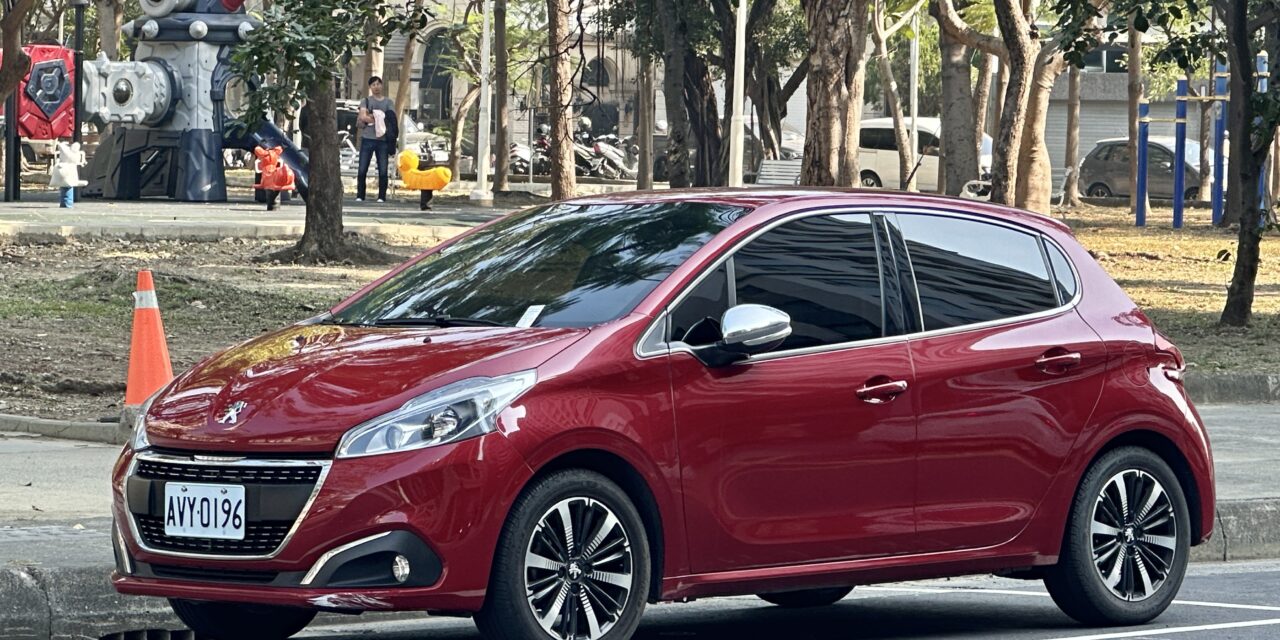
If your Peugeot 208 has a catalytic converter fault, it can fail its MOT. In the UK, the issue is not just whether the car feels a bit flat or the warning light is on. MOT testers look at visible emissions equipment, exhaust leaks, dashboard warning lights and the actual emissions result. If the catalyst is missing, clearly damaged, or the car is running badly enough to fail the emissions test, you are in major-defect territory.
For most owners, the practical takeaway is simple. Do not assume every engine warning light means you need a new catalytic converter, but do not ignore it either. Misfires, oxygen sensor faults, exhaust leaks and fuelling problems can all push emissions out of range and make a perfectly good catalyst look guilty.
Quick answer
Yes, a Peugeot 208 can fail its MOT because of a catalytic converter related problem. Under the DVSA MOT inspection manual, visible original emissions control equipment such as the catalytic converter must not be missing, obviously modified or obviously defective. A petrol car can also fail if emissions are outside the permitted limits, or if the engine management light stays on for a relevant fault.
What the MOT tester is actually checking
The MOT is not a workshop strip-down. The tester is looking at what is visible and what the machine says during the emissions check.
- Visible emissions equipment: the catalyst and other original emissions parts must be present and not obviously tampered with
- Exhaust condition: leaks that could affect emissions are a fail point
- Dashboard warnings: an emissions-related engine management light can put the car at risk
- Tailpipe readings: if hydrocarbons, carbon monoxide or lambda are out of range, the car can fail even if the catalyst itself is not physically broken
The relevant GOV.UK manual section is Section 8.2 on exhaust emissions, which says visible emissions-control equipment fitted by the manufacturer is a major defect if it is missing, obviously modified or obviously defective.
Common Peugeot 208 symptoms that point towards catalyst trouble
A failing catalyst rarely appears in isolation. More often, the car shows a wider pattern of problems first.
- engine management light stays on
- the car feels sluggish at higher revs
- poor fuel economy
- a sulphur or rotten-egg smell from the exhaust
- rattling from inside the catalyst
- failed or marginal emissions readings at MOT time
On a Peugeot 208, these symptoms can also come from ignition misfires, tired spark plugs, coil issues, oxygen sensor faults or an exhaust leak upstream of the catalyst. That is why diagnosis matters before buying parts.
Will it always mean the catalytic converter itself is bad?
No. This is where owners often lose money.
A garage may mention the catalyst because the MOT printout shows an emissions failure, but the converter is sometimes the victim rather than the cause. If the engine has been over-fuelling, misfiring or reading the air-fuel mix wrongly, the catalyst can be overwhelmed or damaged by another fault further up the chain.
Common causes that can mimic or trigger catalytic-converter MOT trouble include:
- faulty oxygen sensors
- ignition coil or spark plug misfires
- small exhaust leaks before the catalyst
- fuel trim or intake issues
- oil burning from a deeper engine problem
If the car is misfiring or the engine light is flashing, stop treating it as a test-day inconvenience. Continuing to drive can overheat and ruin the catalyst.
What a Peugeot 208 MOT failure usually looks like
If the catalytic converter problem is real, the failure notice usually falls into one of these buckets:
- emissions control equipment missing or obviously defective
- exhaust leak affecting emissions
- engine management light related to emissions
- fast idle or natural idle emissions outside limits
If your result mentions lambda being out of range, read Lambda reading too high at MOT? Why it happens and how to fix it. If the warning light is the main issue, our guide to engine management light MOT fail UK is the next place to start.
Typical UK repair costs
Costs vary a lot depending on which 208 engine you have, whether the fault is the converter itself, and whether you use aftermarket or genuine parts.
- diagnostic scan: often around £40 to £100
- oxygen sensor replacement: often around £120 to £250 fitted
- minor exhaust leak repair: often around £80 to £200
- aftermarket catalytic converter: often around £300 to £700 fitted
- genuine or more complex catalyst work: can run from about £700 to £1,200 or more
If you want a broader benchmark, our MOT repair costs UK guide puts catalyst failures into the wider picture.
What to do before you book the retest
- Read the exact MOT fail wording. Do not rely on memory or a quick phone explanation.
- Get the fault codes read properly. A code scan is much cheaper than guessing.
- Check for a misfire, rough running or exhaust leak. These clues matter.
- Do not clear the light and hope. If the underlying fault remains, the problem usually comes straight back.
- Fix the root cause before fitting a new catalyst. Otherwise the replacement can be damaged too.
Can you keep driving it?
If the 208 is driving normally and the light is steady, you may be able to drive it carefully to a garage for diagnosis. If it is misfiring, smells strongly of fuel, has very poor performance or the light is flashing, stop pushing your luck. That is when a smaller bill can turn into a much bigger one.
Bottom line
A Peugeot 208 can absolutely fail its MOT because of catalytic-converter related issues, but that does not automatically mean the converter is the first part you should replace. The smart move is to check the exact fail reason, scan the fault codes and rule out misfires, sensor faults and exhaust leaks before spending catalyst money.
If you are dealing with a wider pre-test snag list, it is also worth checking our guides to washer jet blockage before an MOT and Peugeot 208 wiper blade MOT failures.




Trackbacks/Pingbacks