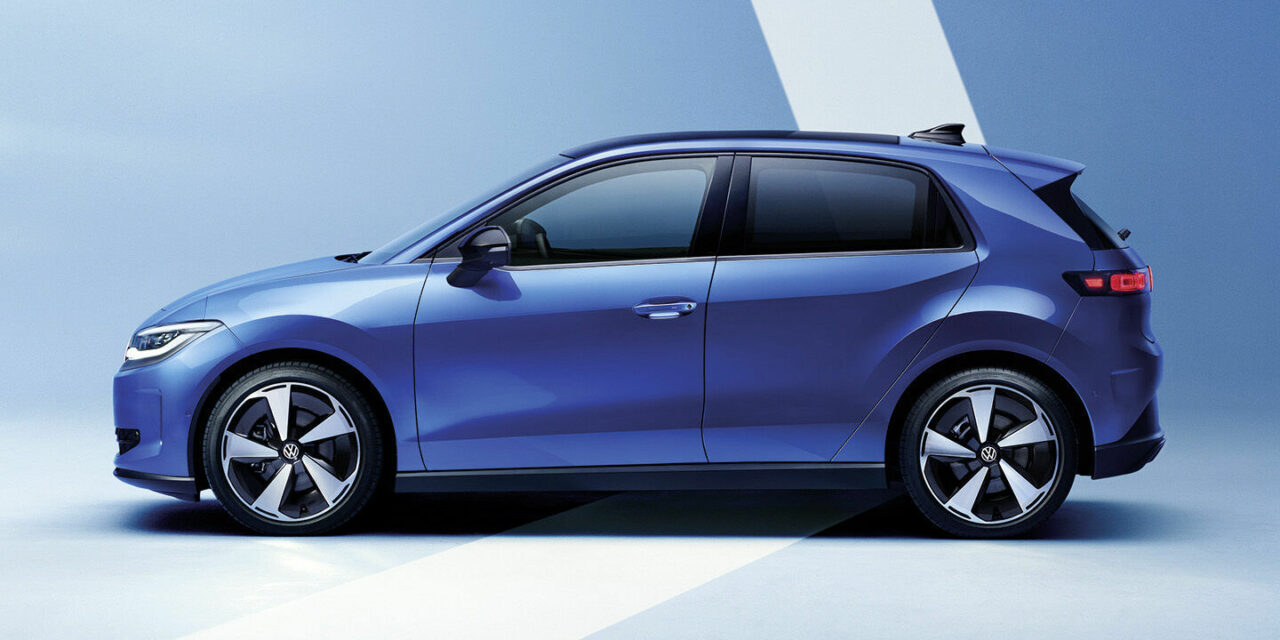
The all-new Volkswagen ID. Polo has officially premiered, marking the electric rebirth of one of Europe’s most nameplates. While headlines focus on its Golf-inspired design and claimed 454 km WLTP range, the UK significance runs deeper: this is Volkswagen’s most credible bid yet to make electric hatchbacks feel ordinary, not aspirational.
What happened
Volkswagen unveiled the production ID. Polo at its Wolfsburg headquarters, confirming it will sit alongside the up coming ID.2all as the brand’s volume electric offering in Europe. Built on the MEB+ platform, it brings familiar Polo proportions to an electric architecture that promises five-seat usability and a boot larger than many current compact combustion models. Three power levels are offered: 85 kW (116 PS), 99 kW (135 PS) and a top-spec 155 kW (211 PS) variant, each paired with either a 37 kWh LFP or 52 kWh NMC battery pack.
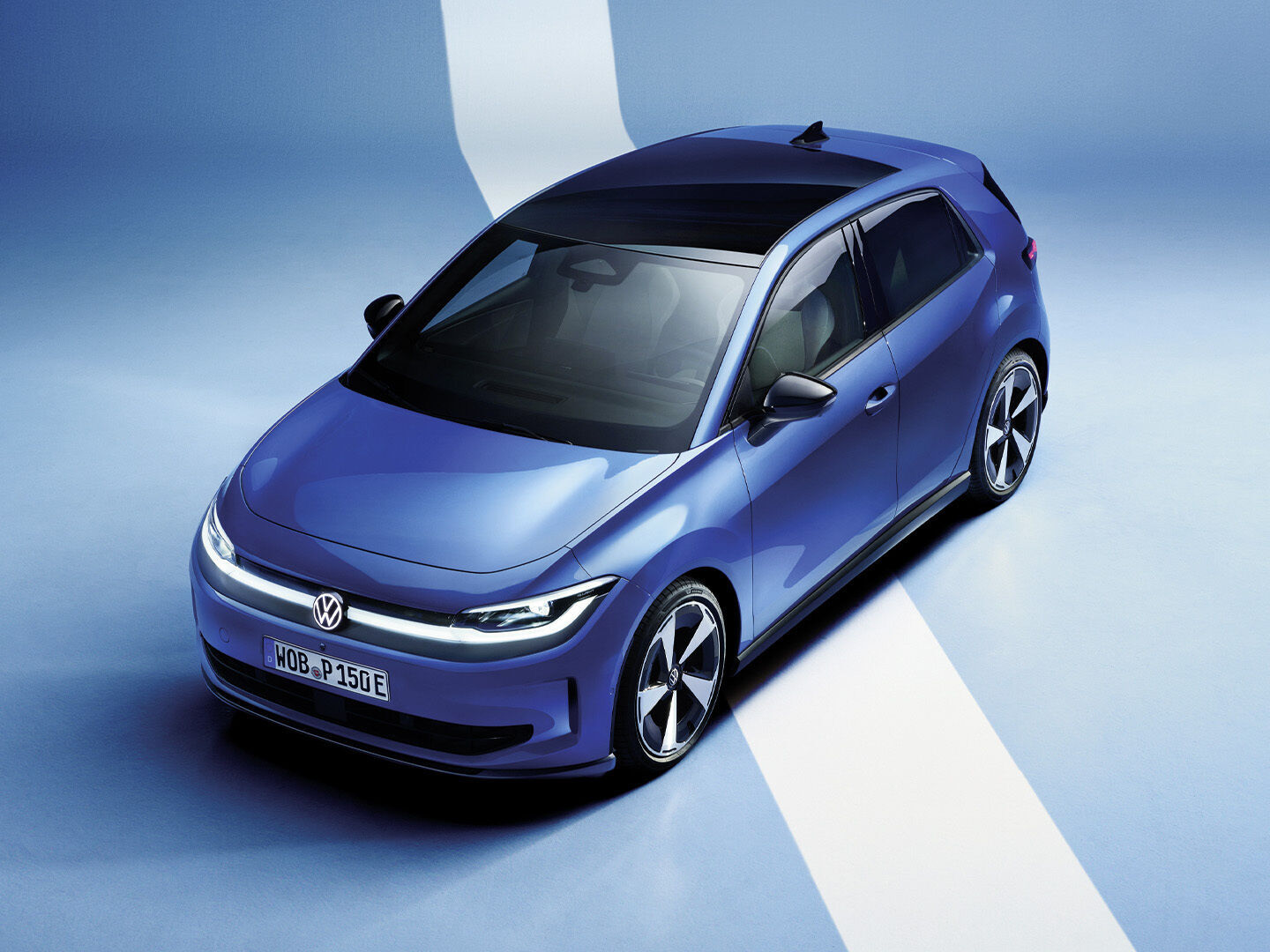
Crucially for the UK market, Volkswagen confirmed right-hand drive production will begin, with UK pricing expected to start below £25,000 after the plug-in car grant adjustments – a direct bid to undercut rivals like the MG4 and upcoming Renault 5 Electric while offering a more established dealer network and residual value reassurance.
Why this matters more than the range figure suggests
The ID. Polo’s real significance isn’t its specifications, but what it represents for Volkswagen’s electric strategy in Britain. After the ID.3’s lukewarm reception and the ID.4’s positioning as a family SUV, the Polo nameplate offers something the current ID. range lacks: instant recognisability and a proven appeal to first-time buyers, urban drivers and those seeking a no-nonsense second car.
For UK buyers still hesitant about electric vehicles, the ID. Polo arrives with familiar cues: a dashboard layout that echoes the Mk6 Golf, physical climate controls, and a driving position that feels immediately settled into. This isn’t about winning over early adopters – it’s about making electric feel like the default choice for someone who would otherwise walk into a showroom and point at a petrol Polo.
Details lost in the launch noise
Buried in the technical sheets is the vehicle-to-load function, which allows the ID. Polo’s battery to power external devices – a genuinely useful feature for camping, tailgates or running power tools from a supermarket car park. Meanwhile, the standard-fit Connected Travel Assist with traffic light recognition (an option on the base model) gives the ID. Polo a driver assistance suite usually reserved for cars costing tens of thousands more.
The space efficiency gains from MEB+ are also underplayed. Despite being shorter than a current petrol Polo, the electric model offers more rear legroom and a 25% larger boot – gains that matter enormously in a segment where practicality often trumps driving enjoyment.
What to watch next
UK pricing and specification details are expected ahead of a summer sales launch, with the first right-hand drive models likely arriving at dealerships by September. The real test will be whether Volkswagen can maintain the promised sub-£25,000 entry point after destination fees and whether dealers can effectively explain the benefits of MEB+ architecture to customers still comparing kilowatt-hours the way they once compared litres.
For now, the ID. Polo feels less like a revolution and more like a course correction – Volkswagen using its most trusted nameplate to finally make electric vehicles feel less like a compromise and more like the obvious next Polo.