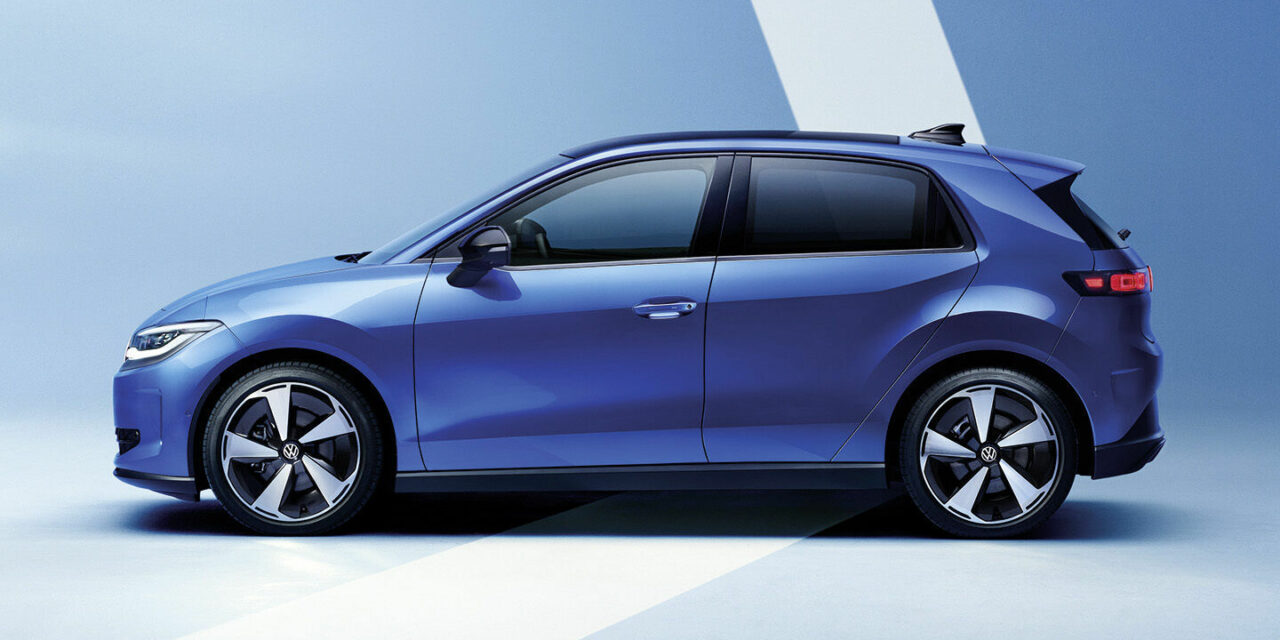
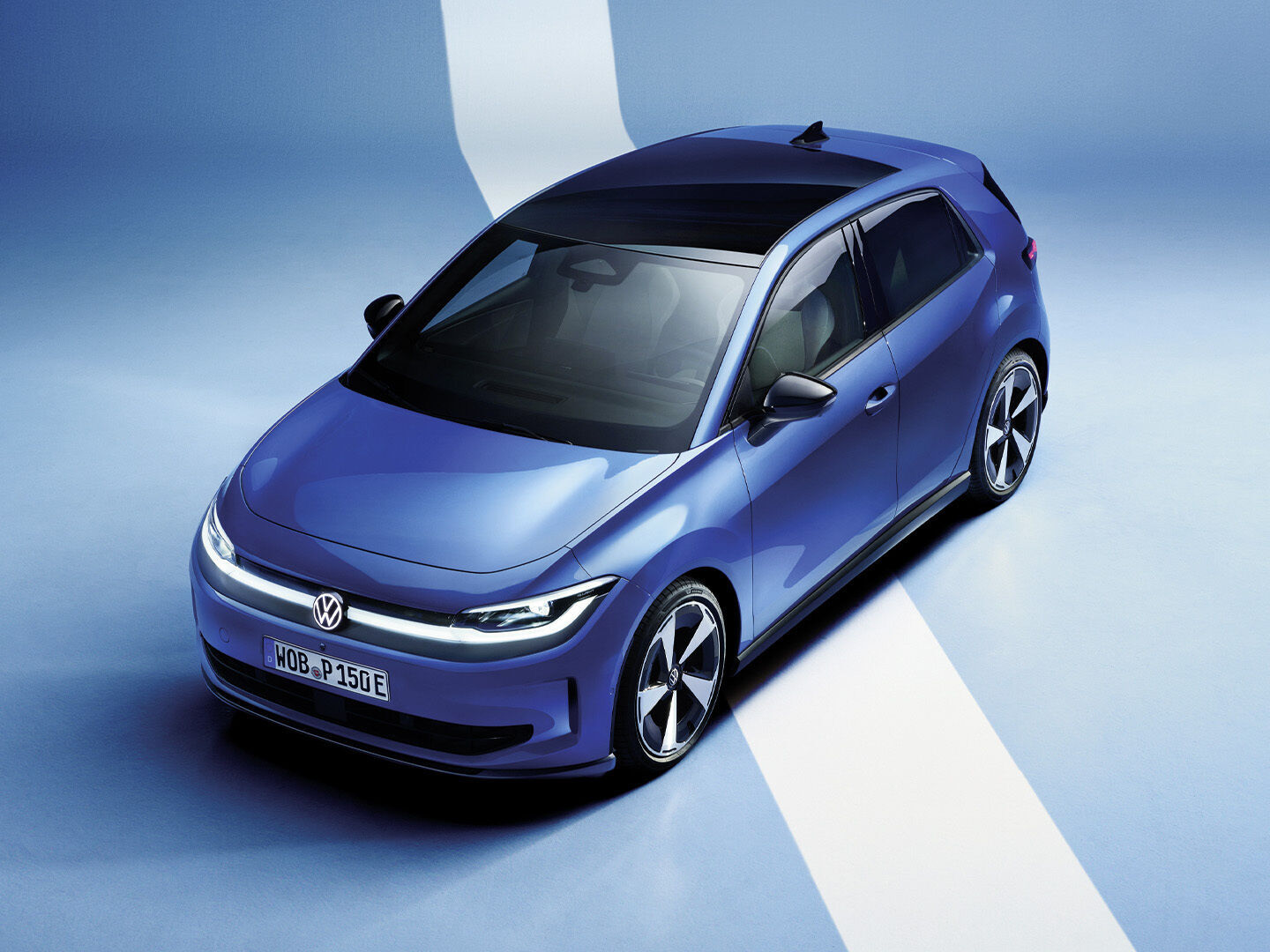
Volkswagen has finally taken the wraps off the ID. Polo, its long-promised electric supermini, and on the surface it sounds like exactly the sort of car a lot of people have been waiting for. It is roughly Polo-sized, officially stretches to 454km of WLTP range in its longest-range form, and carries a headline starting price of €24,995 in Germany.
That is the bit plenty of quick coverage has understandably led with. The more useful detail is that the first version actually going on sale is not the €24,995 car at all. Volkswagen says German pre-sales open now for the 155kW ID. Polo Life with the larger 52kWh battery, priced from €33,795, while the cheaper entry-level versions follow later in the summer.
The number that needs the footnote
That split matters because it changes how buyers should read the launch. Yes, Volkswagen has a sub-€25,000 ID. Polo on the way. No, that does not mean the first cars people can actually order are landing at that price. For anyone trying to judge where the ID. Polo will sit against the Renault 5, Citroën ë-C3 and the next wave of small EVs, the launch car tells you more than the headline figure.
Volkswagen’s own details show two very different versions of the car. The cheaper models use a 37kWh net LFP battery and either 85kW or 99kW power outputs, with up to 329km of range and a claimed 10 to 80 per cent DC charge time of about 23 minutes. The version on sale first gets a 52kWh net NMC battery, 155kW and up to 454km of range, with a near-identical 24-minute 10 to 80 per cent DC claim.
Why this one is getting attention
It is not just another concept dressed up as news. Volkswagen says the car is available to order now in Germany, which makes this a real market launch rather than a vague future promise. That is a big moment in itself because small electric cars remain one of the hardest parts of the market to get right: buyers want sensible size, proper range and believable pricing, but margins are tight and manufacturers have been slow to hit that balance.
The ID. Polo also looks more serious than some of the airy promises that usually surround affordable EV talk. It is 4,053mm long, seats five, and Volkswagen quotes a 441-litre boot — notably bigger than the petrol Polo’s 351 litres. That gives it a practical edge many small EVs still struggle to offer once batteries and rear-seat space are taken into account.
The parts people might miss
There are a few details buried in the announcement that matter more than the launch gloss. One is that Volkswagen is leaning hard into usability rather than trying to make the car feel like a cut-price tech demo. The cabin gets a 10-inch digital cockpit, a 13-inch infotainment screen and, crucially, physical buttons for key controls. After years of complaints about over-reliance on touch-sensitive shortcuts, that is not a trivial change.
Another is the standard vehicle-to-load function, which lets the ID. Polo power external devices at up to 3.6kW. For plenty of owners that will be a niche feature, but it is still a useful sign of how quickly small EVs are inheriting hardware that would have been reserved for pricier cars not long ago. Volkswagen is also offering features such as traffic-light-aware Travel Assist, matrix headlights and even massage seats higher up the range, which tells you the brand is not treating this as a bare-minimum compliance car.
What this means from here
For UK buyers, the key point today is not the headline bargain number. It is whether Volkswagen can get the cheaper 37kWh versions into real showrooms quickly enough, and in trims that still make sense once local pricing is announced. If the rollout here mirrors Germany, the first cars people see will be the better-equipped, longer-range version rather than the attention-grabbing entry model. That would make the ID. Polo feel less like a mass-market breakthrough on day one, even if the cheaper version follows soon after.
Still, there is a reason several major motoring sites jumped on this story straight away. A proper Volkswagen electric supermini was always going to matter, and the ID. Polo looks substantially more thought-through than many earlier attempts at the same brief. The question now is not whether the car itself looks credible. It is whether the affordable version arrives quickly enough to make the headline price feel real rather than theoretical.