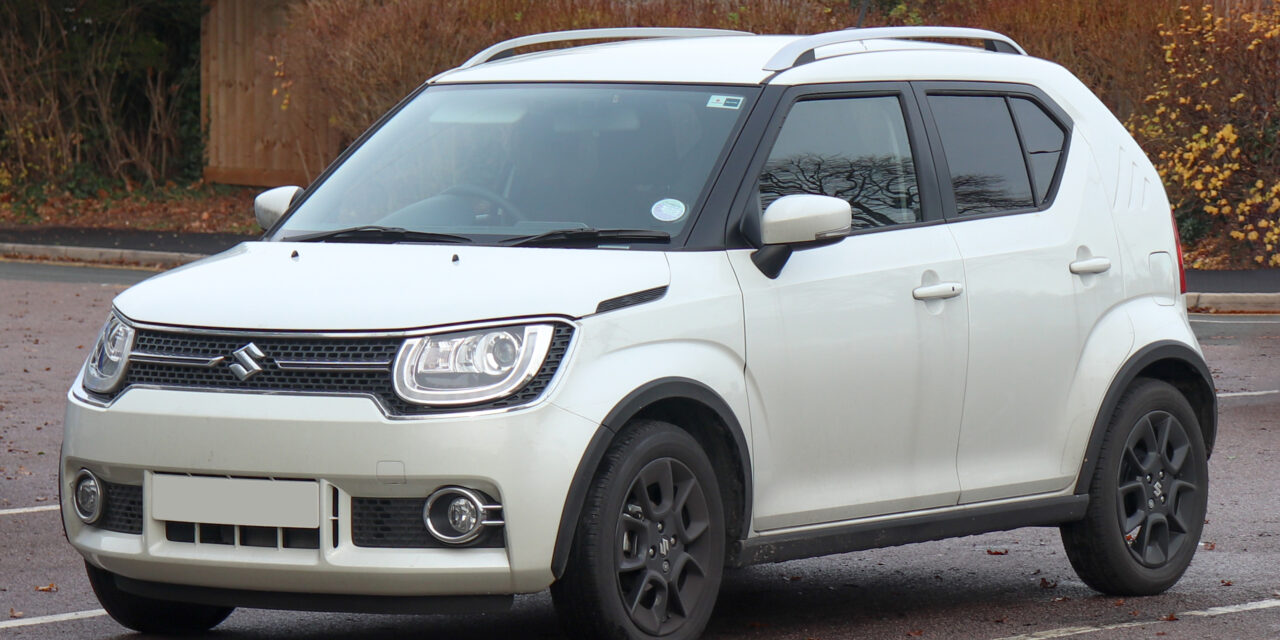
The Suzuki Ignis is one of those small cars that makes far more sense in the real world than it does in a specification-sheet race. It is short enough for awkward supermarket bays, sits a little higher than a conventional city car and has a refreshingly simple job to do. For a driver who mainly tackles town journeys but does not want an SUV, a used Ignis can be a very likeable answer.
That does not mean buying the first bright-coloured one you see. The current-shape Ignis has been around in the UK since 2017, so early examples now need the same disciplined inspection as any other used car. Here is how to decide whether a particular one deserves your money.
Start with the version, not the asking price
Most UK cars use Suzuki’s 1.2-litre petrol engine. You will see conventional petrol versions, mild-hybrid SHVS cars and, less commonly, ALLGRIP four-wheel-drive examples. Manual gearboxes are the norm; automatic examples command attention simply because there are fewer of them.
The right choice depends on your use. A front-wheel-drive manual is the straightforward option for urban and suburban motoring. An ALLGRIP can be useful for steep, icy or poorly surfaced routes, but it is not a reason by itself to pay a large premium if the car will spend its life in town. Treat the model badge as a prompt to check the exact registration, equipment list and insurance quote, rather than assuming every Ignis is the same.
Five minutes around the body can tell you a lot
- Look along both sides in good light. Check the corners of the bumpers, door edges, wheel arches and plastic cladding for mismatched paint, poor panel gaps or fresh overspray. A small car picks up parking scars easily, but repairs should be honestly priced in.
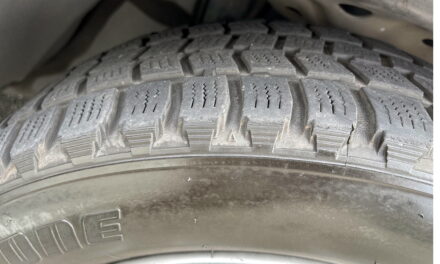
- Inspect every wheel and tyre. Kerbing is common. More importantly, uneven tyre wear can point to alignment or suspension work that needs investigating. Check that tyres on the same axle match in size and are appropriate for the car.
- Try the tailgate and all doors. They should open, latch and close without needing a slam. Lift the boot floor and look for dampness, corrosion or signs of a hurried repair.
- Check the windscreen closely. Chips in the driver’s field of view, cracks and failed wipers are not details to wave away. They can become an immediate negotiation point or a reason to leave the car.
On the test drive, keep it boring on purpose
A short, noisy blast on dual carriageway is not enough. Start the car from cold if the seller will allow it, then use a route that includes low-speed turns, rougher road surfaces and a hill. You are listening for clunks, checking that the steering feels consistent and making sure the brakes pull up straight.
With a manual, the clutch should take up smoothly and the gearbox should select every gear cleanly when cold and warm. With an automatic, make sure the car engages Drive and Reverse promptly and behaves smoothly in slow traffic as well as at road speed. If a warning light stays on after the start-up check, ask for a diagnosis, not a promise that it is just a sensor.
Also test the things a hurried viewing misses: air conditioning, heater fan at every speed, central locking, electric windows, mirrors, infotainment, reversing camera if fitted and every key supplied. A missing second key is not necessarily a deal-breaker, but it is a cost and inconvenience that belongs in the deal.
History is where a tidy-looking car earns your confidence
Ask to see invoices as well as a stamped service book or digital record. Invoices reveal what has actually been done, where the car has been maintained and whether advisories were addressed. Match the registration and vehicle identification details to the V5C, then check the MOT history yourself. GOV.UK’s free service shows previous test results and recorded mileage, which is useful for spotting repeated advisories or a gap that needs an explanation.
Remember that an MOT is a roadworthiness test, not a health certificate. GOV.UK says a car normally needs its first MOT by the third anniversary of registration and then annually. A fresh pass does not replace a proper test drive, condition check or servicing evidence.
Check outstanding safety recalls with the official GOV.UK recall service using the registration number. Recall work should be completed free of charge by the manufacturer, but confirm the individual car’s status rather than relying on a seller’s recollection.
Do not overlook the mild-hybrid paperwork
On an SHVS car, make sure the seller can explain the exact version and that the dashboard behaves normally. The mild-hybrid system is there to assist the petrol engine rather than turn the Ignis into an electric car you plug in. Do not accept vague claims about a battery replacement, a warning message or a modification without documentary evidence from a competent garage or Suzuki retailer.
For any Ignis, an independent inspection is sensible when the car is expensive enough to make a mistake hurt. It is particularly worthwhile if the service record is thin, the car has had accident repairs, it is an unusual specification, or you are buying at distance.
What should make you walk away?
- A seller who will not allow a proper test drive, independent inspection or normal document checks.
- Mileage, MOT history and condition that do not tell the same story.
- Warning lights, unexplained electrical faults or a gearbox issue described as normal.
- Evidence of poor crash repair, structural corrosion or water ingress.
- A price that only works if you ignore missing keys, worn tyres, overdue servicing or an unresolved recall.
The sensible buying decision
A good used Suzuki Ignis is not about finding the lowest-mileage example with the most fashionable colour. It is about finding a straight, well-documented car whose version suits your journeys and whose seller is comfortable with proper checks. If the history is coherent, the test drive is uneventful and the condition matches the price, the Ignis remains an unusually practical small-car choice for UK city life.
Useful official checks: check MOT history, check vehicle tax details and check for outstanding recalls.