
If your steering wheel starts shaking at 60mph, or the car suddenly wants to drift left on a straight road, most garages will ask the same question: do you need wheel alignment, wheel balancing, or both?
They are not the same job.
Balancing fixes a wheel and tyre assembly that is not spinning evenly. Alignment fixes the angles at which the wheels sit on the car. Get the diagnosis wrong and you can waste money, chew through a good set of tyres and still be back at the garage a week later.
Here is the simple UK rule of thumb.
| If your car is doing this | The more likely issue | Why |
|---|---|---|
| Steering wheel vibrates more as speed rises | Wheel balancing | An out-of-balance wheel often causes speed-related vibration |
| Car pulls left or right on a level road | Wheel alignment | Misaligned wheel angles can make the car drift |
| Inner or outer tyre edges are wearing faster | Wheel alignment | Poor geometry can scrub tyre edges away |
| Vibration started after a new tyre was fitted | Wheel balancing | A new tyre changes the wheel’s weight distribution |
| Problem started after a pothole or kerb strike | Alignment, balancing or both | Impact can knock geometry out and can also damage a rim |
| You have both vibration and uneven tyre wear | Often both, or a bigger suspension issue | The car needs a proper inspection, not a guess |
What wheel balancing actually fixes
Wheel balancing is about weight, not angles.
No wheel and tyre assembly is perfectly even. When a tyre shop balances a wheel, it spins the assembly on a machine and adds small weights so it rotates smoothly. Michelin says balancing is always needed when a tyre is fitted, which is why most tyre centres do it as part of the fitting process.
When balancing is off, the classic symptom is vibration that gets worse at certain speeds. You might feel it through:
- the steering wheel
- the seat base
- the floor
- the dashboard
If the vibration only shows up once you are moving faster, balancing is usually the first thing worth checking.
Kwik Fit notes that poorly balanced wheels can also speed up wear in tyres, suspension and steering components, so this is not just a comfort issue.
What wheel alignment actually fixes
Wheel alignment is about how the wheels sit relative to the road and to each other.
It does not mean straightening the wheel itself. It means adjusting the suspension geometry so the tyres meet the road at the correct angles. If those settings are out, the car may not track straight even though nothing feels loose.
Common signs that point more towards alignment are:
- the car pulling to one side
- the steering wheel sitting slightly off-centre when you are driving straight
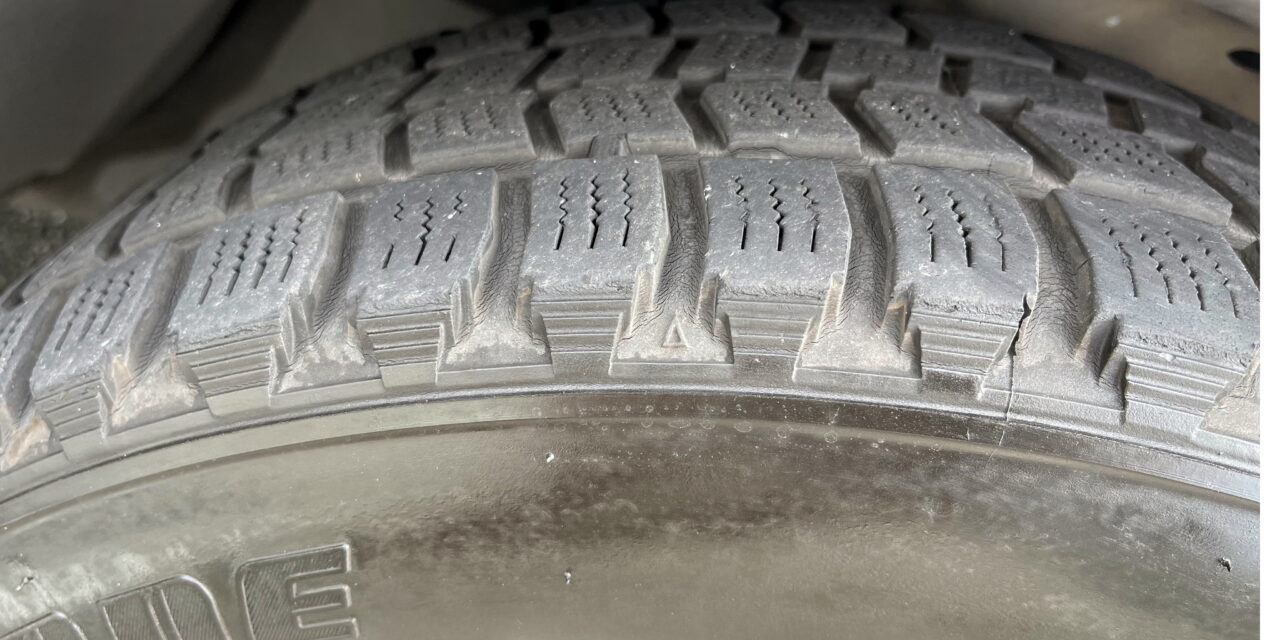
- uneven tyre wear, especially on the inner or outer edges
- the car feeling nervous or untidy after a pothole hit
Michelin says misalignment can happen after hitting a kerb, driving into a pothole or after a more serious impact. That lines up with real UK driving, where one bad pothole can be enough to knock a previously straight car out of shape.
The quickest way to tell which job you probably need
If you want the short version, use this test.
Book balancing first if:
- the main complaint is vibration
- the vibration builds with road speed
- the problem started just after a tyre change
- the car does not noticeably pull left or right
Book alignment first if:
- the car drifts or pulls on a straight road
- the steering wheel is no longer centred
- one tyre shoulder is wearing much faster than the rest
- the trouble started after a pothole or kerb impact
Ask the garage to inspect both if:
- you have pulling and vibration together
- a tyre has worn badly in one area
- you have recently changed tyres after suspension work
- the car has hit a pothole hard enough to make you wince
That last point matters. A pothole can knock the alignment out and also damage a wheel badly enough to create a balancing problem. If the impact was severe, the real fault may even be a bent wheel, damaged tyre or worn suspension part rather than a simple geometry adjustment.
For that reason, a good tyre or alignment centre should inspect before selling a fix.
What UK drivers usually pay
Balancing is normally the cheaper job.
At the time of writing, Halfords lists wheel balancing at £7.99 per wheel online. On the same site, front wheel alignment is listed at £59.99. RAC says UK drivers typically pay around £90 for front and rear wheel alignment together, citing Whocanfixmycar data from August 2025.
That does not mean every car should have four-wheel alignment every time. Some cars only need front adjustment, and some garages quote differently depending on the setup, the equipment used and whether seized components need extra labour.
The practical takeaway is simple: if a garage is trying to sell alignment when your only symptom is a speed-related vibration, ask them to explain why. If they are trying to solve obvious tyre-edge wear with balancing alone, ask the same question.
When it makes sense to do both
There are times when paying for both jobs is sensible rather than wasteful.
That is often true when:
- you are fitting a new pair or full set of tyres
- the old tyres wore unevenly
- the car has recently hit a pothole
- you want to reset things properly before a long trip
- you have just bought a used car and the steering does not feel quite right
Balancing is routinely part of tyre fitting anyway. Adding an alignment check can be good value if the old tyres show signs that the car has been scrubbing rubber away for months.
If you are already dealing with tyre wear, it is also worth checking the basics on tread depth and condition. We have separate guides on UK tyre tread depth rules, tyre sidewall damage and why a new pair of tyres should usually go on the rear.
What to check before you blame alignment or balancing
Do not assume every shake or pull is solved by one of these services.
A car can also pull or vibrate because of:
- low or uneven tyre pressures
- a damaged tyre
- a buckled wheel
- worn suspension bushes or joints
- brake issues
- a sticking caliper
So before you book anything, make sure tyre pressures are correct and have a quick look for obvious tyre or wheel damage. If the car has recently suffered pothole damage, keep photos and invoices too. That can matter if you later make a pothole damage claim.
Is it safe to keep driving?
A mild vibration or slight pull does not always mean the car is about to become dangerous, but it is still a mistake to leave it for weeks.
If balancing is the issue, the main risk is extra wear and worsening vibration. If alignment is the issue, the bigger risk is burning through tyres far faster than you expected. In either case, delaying the fix can turn a modest workshop bill into a tyre bill as well.
Get it checked sooner rather than later if:
- the steering wheel shakes strongly
- the car suddenly pulls harder than before
- you can see obvious uneven wear on one tyre edge
- the problem started straight after hitting a pothole or kerb
- the car feels unstable in wet weather or under braking
The bottom line
Wheel balancing and wheel alignment solve different problems.
If the car vibrates at speed, balancing is the more likely culprit. If it pulls to one side or starts scrubbing tyre edges away, alignment is the stronger suspect. If you have both symptoms at once, or the car has taken a hard hit from a pothole, stop guessing and get the wheel, tyre and suspension checked properly.
That approach is usually cheaper than paying for the wrong service first.




Trackbacks/Pingbacks