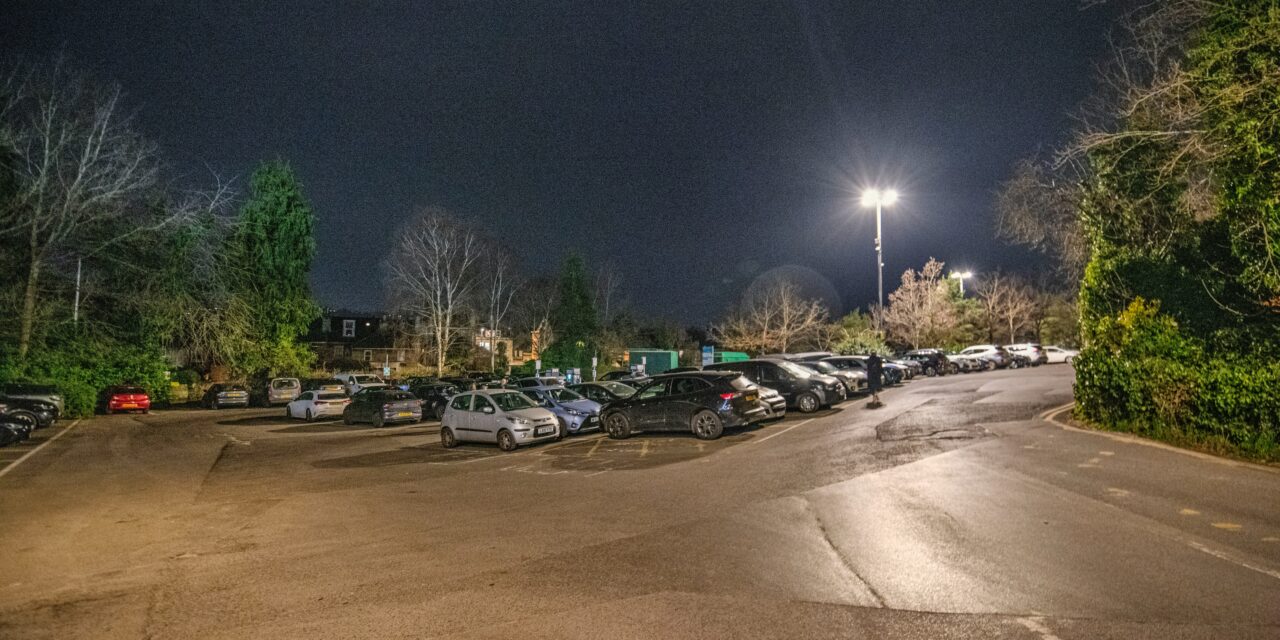
Parking the wrong way after dark can be more than a bad habit. The Highway Code says you must not park on a road at night facing against the direction of traffic flow, unless you are in a recognised parking space. That is Rule 248, and it is a point that is easily missed when a quiet residential street looks harmless.
It is only one part of the night-parking picture. The road’s speed limit, whether it is a road or an off-street car park, the position of the vehicle and the weather can all change what is expected. Here is the practical UK answer before you leave the car overnight.
The short answer
If you park on a road at night, point the car in the direction traffic travels on that side of the road. Do not simply pull up on the nearest side facing the wrong way. The exception is a recognised parking space.
This is not the same as a private driveway, a private car park or a marked off-street car park. Rule 248 specifically concerns a road. That does not cancel a car park’s own signs, bays or terms, but it does mean the facing-traffic rule is not a reason to turn around in a normal off-street bay.
Why the direction matters after dark
A vehicle parked with its rear reflectors and rear registration plate towards approaching traffic is easier to identify at night than one facing the other way. The rule is about making a parked vehicle more conspicuous to traffic travelling along that side of the road, not about the convenience of your departure the next morning.
Rule 248 uses the words must not, which signals a legal requirement rather than a recommendation. The Highway Code links it to regulation 24 of the Road Vehicles Lighting Regulations 1989 and regulation 101 of the Construction and Use Regulations. A police officer or enforcement authority will still consider the actual circumstances, but it is a poor rule to test because the street is quiet.
When do you need parking lights?
On a road or lay-by with a speed limit above 30mph, the Highway Code says all vehicles must display parking lights when parked. That is Rule 249. Switch off headlights and fog lights before leaving the vehicle, but do not assume that means every light must be off.
For cars on a road with a 30mph limit or lower, Rule 250 provides a more limited unlit-parking allowance. It covers cars and certain lighter vehicles where the vehicle is at least 10 metres from a junction, close to the kerb, facing the traffic flow, or in a recognised parking place or lay-by. Read the rule carefully for the exact circumstances rather than relying on a blanket belief that street lighting makes lights unnecessary.
Trailers, vehicles with projecting loads and larger vehicles are treated more strictly. They must not be left on a road at night without lights. In fog, the Code goes further: if parking on the road is unavoidable, leave parking lights or sidelights on.
A simple check before you walk away
- Is it actually a road? A driveway and an off-street car park are different from the carriageway, but their own signs and bay markings still apply.
- Are you facing with the traffic? If it is a road at night, turn around before parking unless it is a recognised parking space.
- What is the speed limit? Above 30mph, parking lights are required for a vehicle parked on the road or in a lay-by.
- Are you too close to a junction? The lower-speed unlit exception is not a licence to leave a car wherever there is a gap.
- Can other road users see the car? Fog, poor street lighting, a bend or a crest may make a technically permitted stop a bad choice.
- Have you checked the normal parking restrictions? Yellow lines, permits, loading restrictions, dropped kerbs and local signs still matter after dark.
Do headlights count as parking lights?
No. Headlights should be switched off when you leave the vehicle. Parking lights, often called sidelights, are the low-power front and rear lamps intended to show a stationary vehicle. If you are unsure how your car activates them, check the handbook while parked safely rather than experimenting on an unlit road.
Do not leave hazard warning lights flashing as an overnight substitute. They are for warning other road users of a temporary hazard, not routine parking, and they can mislead approaching drivers.
What about a well-lit 30mph residential street?
Street lighting does not remove the direction-of-traffic rule in Rule 248. It may affect whether the lighting regulations require lamps in a particular situation, but it is not a shortcut around facing the correct way, local waiting restrictions or safe positioning.
The sensible habit is straightforward: if you need to leave a car on the road overnight, park legally and close to the kerb, face the way traffic flows, then decide whether lights are required from the road’s limit and conditions. If the location feels difficult to see or leaves the car vulnerable, find an off-street space instead.
Where to check the rule yourself
The current Highway Code parking rules set out Rules 248 to 251, including facing traffic, parking lights and fog. For the underlying detail, regulation 24 of the Road Vehicles Lighting Regulations 1989 is available on legislation.gov.uk.