A car insurance renewal notice is easy to treat as a bill: skim the premium, wince or shrug, and let the policy carry on. That can be the expensive route. It is also where a small error in mileage, job title or cover can sit unnoticed for another year.
The useful question is not simply whether the price has gone up. It is whether the next policy still covers the way you actually use the car, whether it will renew automatically, and whether a like-for-like alternative is genuinely better value. Here are the seven lines worth checking before the renewal date.
1. The exact end date and time
Find the expiry date first and put a reminder in your calendar a few days beforehand. If you plan to switch, make sure the replacement policy begins when the old one ends. Even a short uninsured gap is a bad gamble.
You must have motor insurance to use a vehicle on roads or in public places. If the car will be kept off the road rather than insured, it normally needs a Statutory Off Road Notification, or SORN. GOV.UK explains that an uninsured vehicle not declared off road can trigger continuous insurance enforcement, even when nobody is driving it.
2. Whether it will renew automatically
Do not assume a policy will simply stop on its renewal date, and do not assume it will automatically continue either. Read the notice and policy wording for the insurer’s renewal instruction, then make a deliberate choice.
If you want to leave, follow the insurer’s stated cancellation or non-renewal process and keep the confirmation. Cancelling a Direct Debit alone is not a reliable way to end an insurance contract. It can leave an unpaid balance or, worse, create uncertainty about whether you are insured.
If a payment fails or the renewal instruction is unclear, call the insurer before the end date. Do not drive while you are trying to establish whether cover exists.
3. The premium, including how it is paid
Compare the annual price and the total cost of any monthly-payment option. Monthly instalments commonly involve credit, interest or a separate arrangement, so the monthly figure is not the whole comparison.
Use the renewal quote as a benchmark, then get alternatives using exactly the same driver details, vehicle, voluntary excess, mileage and cover level. A cheaper quotation that has a larger excess, removes a useful benefit or assumes fewer annual miles is not a true saving.
There is no harm in asking your existing insurer to review the price, but do it with a realistic competing quote in hand. Be straight about every detail. A quote built on the wrong facts is not a bargain.
4. The excess you would actually have to find
Look for the compulsory excess and any voluntary excess, then add them together. That total is normally what you would contribute to a claim covered by the excess. A lower premium can be bought by accepting a much larger voluntary excess.
Also check whether the windscreen excess is separate, and whether young or inexperienced drivers have an additional excess. The details vary by policy. For a fuller comparison, see our guide to choosing a car insurance excess you could actually pay.
5. The cover that has quietly changed
Read the schedule rather than relying on the word “comprehensive”. Policies can differ on courtesy-car provision, windscreen cover, driving abroad, key cover, legal expenses, personal accident cover and replacement child seats. Some are optional extras; some have limits or conditions.
Ask a practical question: if the car were stolen or damaged tomorrow, which parts of the policy would you expect to use? Check those first. For example, a courtesy car may be important to a commuter, but its availability and vehicle type can be restricted. Legal expenses cover is not the same thing as comprehensive cover.
6. The facts the insurer is rating
Renewal is a good moment to correct details that have drifted since last year. Check:
- home address and where the car is normally kept overnight;
- occupation and, where asked, the industry or employer type;
- annual mileage and the use class, including commuting or business use;
- named drivers, their licence details and claims or convictions;
- car modifications, including items the insurer says must be declared; and
- any claims, incidents or points that the insurer requires you to report.
Do not guess if a question is unclear. Ask the insurer and record the answer. Details such as a move, a changed commute or a new regular driver may affect the premium, but leaving them wrong can cause much bigger trouble at claim time. Our guide on commuting and business use explains one of the distinctions drivers most often misread.
7. Your no-claims bonus and documents
Check the number of no-claims years shown on the renewal notice and save the document. A new insurer may ask for evidence. Protected no-claims bonus can preserve the discount percentage under the policy’s rules, but it does not guarantee that the total renewal premium will not rise after a claim or for other pricing reasons.
Keep the policy schedule, certificate, renewal notice and any cancellation or switching confirmation somewhere accessible. They are useful if a new insurer asks for proof, or if you later need to query what happened to a policy.
If the policy has already expired
Do not drive the car until you have arranged valid cover. Third-party insurance is the legal minimum for driving on UK roads, according to GOV.UK’s vehicle-insurance guidance. If you have arranged a new policy, keep its confirmation and check the start time before setting off.
For a vehicle that will remain unused, keep it entirely off the road and deal with the insurance or SORN position promptly. GOV.UK says the registered keeper of an uninsured vehicle that is not SORNed can face a fixed penalty, clamping, impounding or court action. The practical answer to a missed renewal is not to chance one journey home.
The sensible renewal routine
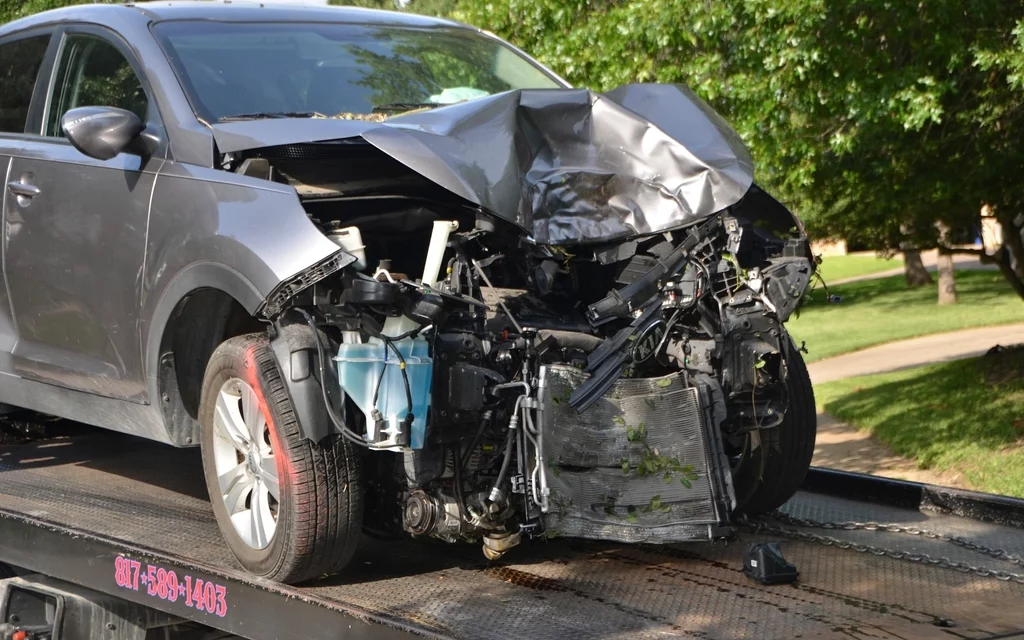
Start a few days early. Read the renewal notice in full, correct the facts, compare matching cover, decide whether you want automatic renewal, and save the final documents. It is unglamorous admin, but it is far cheaper than discovering after a collision that the policy did not match the car, the driver or the journey.
If you think the insurer has handled a renewal or complaint badly, raise it with the insurer first. If it remains unresolved, the Financial Ombudsman Service explains its motor-insurance complaints process.