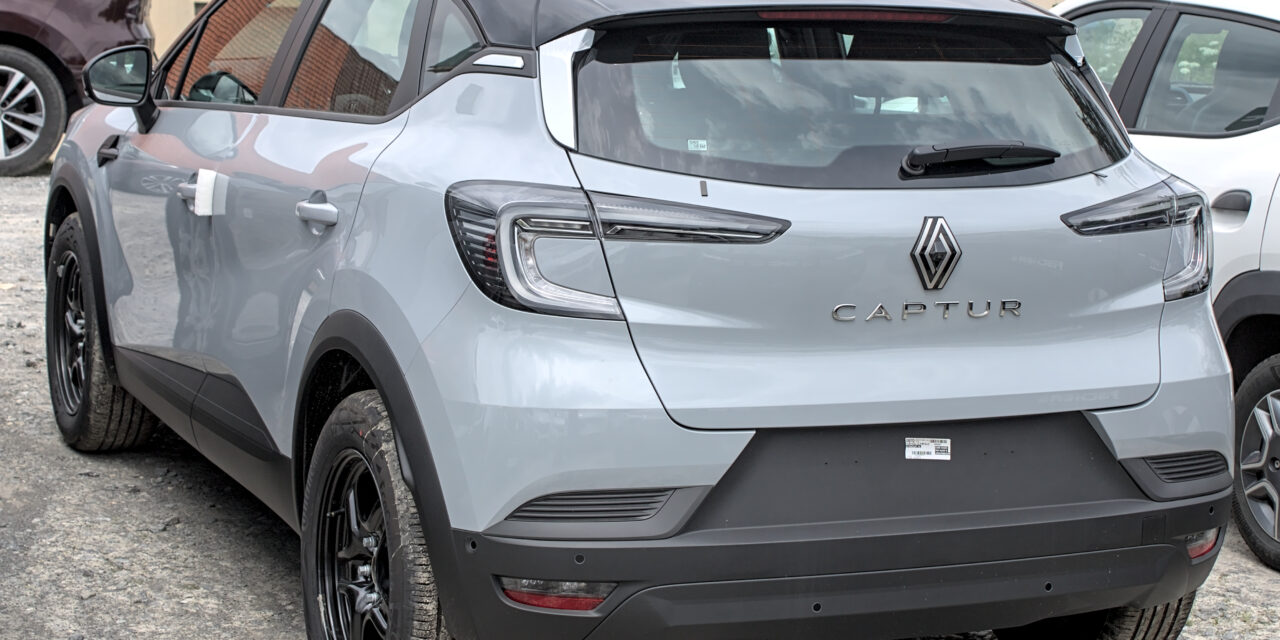
The Renault Captur has been one of the UK’s most popular small SUVs for years because it gets the basics right. It is easy to drive, easy to park, roomy for its size and usually cheaper than a like-for-like premium badge alternative. The catch is that there is no single best used Captur for everyone. A light-use town car, a family runabout and a motorway commuter can all suit very different versions.
If you want the short answer, most UK buyers should start with the current-shape Captur launched in 2020 and focus on either the 1.3 TCe petrol or the later E-Tech full hybrid. Those are usually the easiest versions to live with, easiest to sell on and easiest to justify at used prices.
First decide which Captur generation you are shopping for
This guide is mainly about the second-generation Captur sold from 2020 onwards, because that is where the strongest used choice now sits for many UK buyers. It brought a more modern cabin, better infotainment, a more grown-up motorway feel and a much wider mix of powertrains.
Early Mk2 cars arrived with a 1.0-litre TCe 100 petrol, 1.3-litre TCe petrols with more punch, plus 1.5 dCi diesels. Later on, Renault added electrified options including the Captur E-Tech plug-in hybrid and then the E-Tech hybrid. Trim names also moved around over time, so you will see older cars advertised as Play, Iconic and S Edition, while newer ones tend to wear names such as Evolution, Techno and R.S. Line.
That matters, because a cheap-looking Captur advert can hide a very basic early trim, while a slightly pricier middle-spec car often gives you the equipment people actually want when it is time to resell.
The best used Renault Captur for most people
Best all-rounder: 1.3 TCe petrol
If you do a normal mix of town, A-road and motorway driving, the 1.3 TCe is the version that makes the most sense for the widest range of buyers. Independent UK reviews have consistently rated it as the strongest match for the Captur because it gives the car enough effortless performance without turning it into an expensive or fussy thing to own.
In plain English, it feels less strained than the entry-level 1.0 when the car is loaded up, when you join a motorway or when you are climbing hills with passengers on board. If you want a Captur that feels relaxed rather than merely adequate, this is where the shortlist should begin.
For many buyers, the sweet spot is a 1.3 TCe in a mid-range trim rather than a flashy top-spec car. You get the more convincing engine, but you avoid paying mainly for cosmetic extras.
Best for town-heavy driving: E-Tech full hybrid
If your driving is mostly urban, suburban or school-run work, the E-Tech full hybrid deserves a hard look. Around town it can feel smoother and quieter than the ordinary petrol models, and the hybrid setup makes more sense here than on occasional motorway blasts.
The thing to remember is practicality. Parkers notes that hybrid Capturs lose some underfloor storage and do not offer the same boot advantage as the regular petrol models. So if you are choosing between petrol and hybrid, do not just read the fuel economy claim. Open the boot, slide the rear bench and check whether the packaging still works for your life.
Best only for a specific buyer: E-Tech plug-in hybrid
The plug-in hybrid is not automatically the cleverest used buy just because it sounds more advanced. It makes sense if you can charge regularly and your routine genuinely suits it. If you cannot plug in often, you are carrying extra weight and complexity without getting the main benefit back.
That does not make it a bad car. It just means it is easier to overpay for one on the assumption that plug-in always equals better. On the used market, that is often not true.
Worth considering only with a clear reason: diesel
Some early second-generation Capturs came with 1.5 dCi diesel engines. They can still suit drivers who do big motorway mileage, but for many UK households the safer mainstream bet is now petrol or hybrid. Clean Air Zone considerations, future resale and shorter journeys all work against diesel unless your annual mileage really supports it.
The versions I would target first
If I were shopping for a used Captur with my own money, I would start here:
- 1.3 TCe petrol in Iconic, Evolution, SE Edition or Techno trim if I wanted the safest all-round buy
- E-Tech full hybrid in a sensible mid-range trim if most of my driving was urban and I wanted the easiest stop-start experience
- A well-priced R.S. Line only if condition and history were excellent, not just because the styling looks nicer in the advert
That last point matters. Sportier trim can help resale, but it should not distract you from service history, tyres, body repairs or overdue maintenance. A clean middle-spec car is usually the smarter used purchase than a shinier car with patchier history.
What to check before you buy a used Renault Captur
1. Test the cabin tech properly
The Captur’s cabin is a big reason people buy one, but not every car feels equally slick. Some UK reviews have found the infotainment can be sluggish, so this is not a car to buy after a two-minute spin round the block. Pair your phone, test the screen response, try the navigation if fitted, check the reversing camera and make sure steering wheel controls and parking sensors all work as they should.
If the seller rushes you past the cabin checks, slow the process down. The technology is part of the car’s appeal and part of its value.
2. Slide the rear bench and inspect the boot layout
One of the Captur’s strongest practical tricks is the sliding rear seat. In petrol versions, Parkers records up to 444 litres of boot space with the rear bench back and up to 536 litres with it pushed forward, which is excellent for a small SUV.
But that headline number can mislead if you never want to sacrifice rear legroom, or if you are looking at a hybrid with a different underfloor setup. Check the rails move cleanly, make sure the boot floor pieces are present, and confirm the car still works for your usual pushchair, dogs, suitcases or weekly shop.
3. Be choosy about the 1.0 TCe
There is nothing inherently wrong with the smaller petrol if your use is genuinely light, but this is the version most likely to leave buyers wishing they had stepped up once the honeymoon wears off. With one person in the car and mostly local use, it can be perfectly acceptable. With passengers, luggage and regular faster roads, it is easier to outgrow.
That is why a slightly dearer 1.3 TCe can be the better value used buy, even if the upfront price is higher.
4. Check servicing and recalls instead of trusting the advert wording
Do not stop at phrases such as full service history or recently serviced. Ask what was actually done, where it was done and whether there are invoices to back it up. On hybrid and plug-in cars, evidence matters even more because buyers are paying for newer technology and should expect cleaner paperwork.
It is also worth checking the official DVSA recall service and Renault’s own recall campaign checker against the registration or VIN. That is a basic used-car step, but it matters especially on modern, tech-heavy cars where software and component campaigns can easily be missed by a casual seller.
5. Look at trim value, not just monthly payment thinking
Used Capturs are often sold on finance, which can make a better-specified car look only slightly more expensive per month. Be careful. You still want the trim level that gives you the useful equipment, not the one that merely looks cheapest in the search results or most eye-catching in the photos.
Mid-range trims are usually the smartest place to be. Auto Express notes that even entry cars got useful basics, but moving up the range brought the features many UK buyers now expect, such as parking sensors, smartphone integration and extra convenience kit. Those are the details that help a used car feel current instead of compromised.
Is the hybrid always the better buy?
No. It is the better buy only if your use suits it.
If your routine is dense with traffic, cold starts and shorter trips, the E-Tech hybrid can be the more satisfying Captur. If you spend lots of time on faster roads and want the simplest mechanical proposition, the 1.3 TCe is often the more straightforward answer.
This is the mistake many buyers make with used small SUVs. They shop the badge and the headline fuel figure instead of the actual ownership pattern. A Captur bought for the wrong job is not a bargain, even if the price looks good.
What about safety?
The Captur’s safety story is still decent, but it is worth reading the detail rather than relying on an old star headline. Parkers notes that the model was re-tested by Euro NCAP in 2024 and held a four-star rating after originally scoring five stars in 2019, which reflects changing test standards as much as it reflects the car itself. Standard driver-assistance features such as autonomous emergency braking, lane-keep assistance and traffic sign recognition are useful, but you should still confirm exactly what is fitted on the specific car in front of you.
Verdict: which used Renault Captur should you actually buy?
For the broadest range of UK buyers, the answer is a second-generation Captur with the 1.3 TCe petrol engine and a sensible middle trim. That is the version most likely to feel easy, roomy and saleable a few years down the line.
If your driving is mainly urban, the E-Tech full hybrid is the alternative worth paying for, provided you have checked that the boot and rear-seat compromise does not annoy you.
The version to treat most cautiously is not a bad engine or a bad trim. It is any Captur that looks cheap because it is basic, underpowered for your needs or poorly documented. There are enough used Capturs on the UK market that you do not need to force a mediocre one to make sense.
Shop patiently, buy on engine and trim before colour and wheels, and the Captur can still be one of the smarter small SUV buys on the market.