
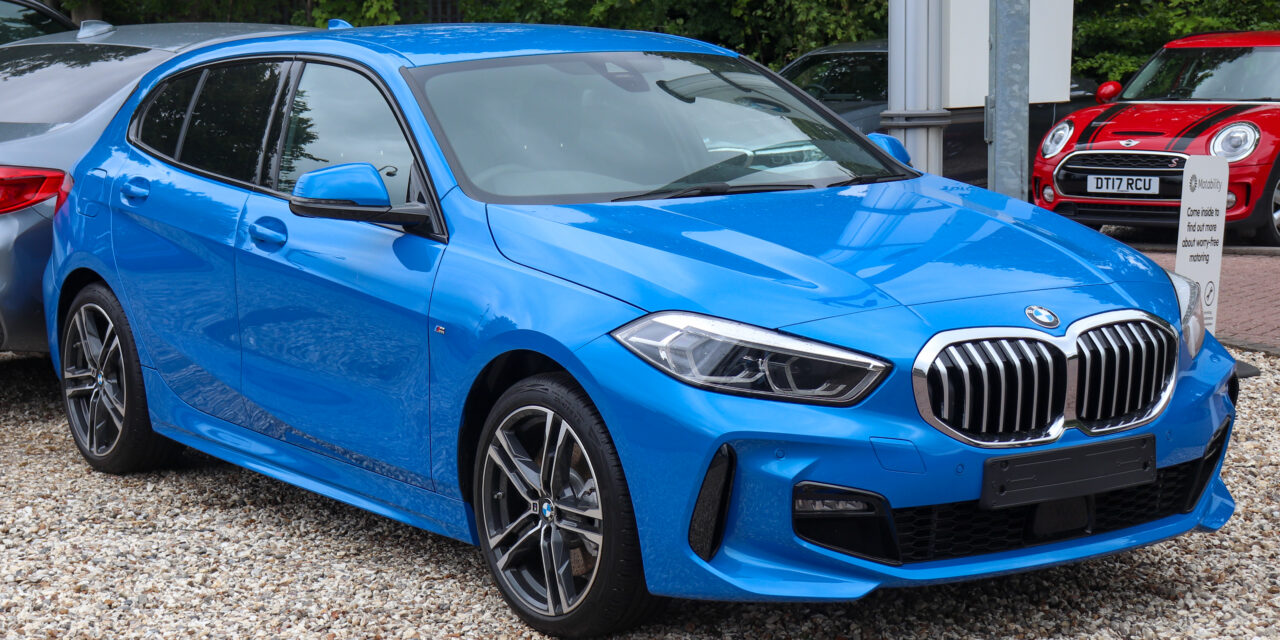
If you are shopping for a used BMW 1 Series, the good news is that it can still feel more special than most family hatchbacks. The steering, driving position and rear-wheel-drive balance of older cars give it a character many rivals never had, while newer front-wheel-drive models are quieter and easier to live with day to day.
The catch is that a cheap 1 Series can become an expensive one very quickly if you buy on badge appeal alone. Service history matters, engine choice matters, and the difference between a well-kept example and a neglected one can easily run into four figures.
Quick answer: what are the main used BMW 1 Series problems to look for?
The biggest things to check are diesel timing-chain risk on older N47 cars, EGR recall history on diesel models, oil and coolant leaks, suspension wear, uneven tyre wear, water ingress and electrical glitches, plus patchy servicing on cars sold mainly for the badge. A clean history, evidence of recall work and a proper inspection matter more than chasing the cheapest advert.
Which used BMW 1 Series are most common in the UK?
Most UK buyers will be looking at three broad versions:
- E87/E81 generation (2004 to 2011): older rear-wheel-drive cars, often attractive on price but now firmly into high-mileage territory
- F20/F21 generation (2011 to 2019): still the sweet spot for many buyers, with strong motorway manners and a big spread of petrol and diesel engines
- F40 generation (2019 onwards): front-wheel drive rather than rear-wheel drive, but usually the easiest car here to own and the least risky overall
If you want the safest ownership bet, a later petrol F20 or a tidy F40 usually makes more sense than a very cheap early diesel with incomplete history.
1) Timing-chain trouble on older diesel cars
This is the issue many buyers ask about first, and with good reason. Older 116d, 118d and 120d models using BMW’s N47 diesel engine have a long-running reputation for timing-chain wear. The trouble is that the chain sits at the back of the engine, so repair bills are not small.
Listen carefully on cold start. A metallic rattle from the rear of the engine bay, especially for a few seconds after start-up, is a warning sign. Proof of chain replacement by a reputable specialist is a genuine plus. If there is no evidence and the seller brushes the subject off, budget defensively or walk away.
This does not mean every N47 car is a disaster, but it does mean the cheapest diesel 1 Series on the market is rarely the clever buy.
2) EGR cooler and intake problems on diesel models
BMW diesel models have also been caught up in EGR-related recall work. On a used 1 Series, you want confirmation that any recall work has been completed. If the seller cannot show paperwork, ask for the registration or VIN so you can check.
Beyond recall history, diesel cars that have spent their lives on short urban trips can suffer from the usual soot-related headaches: hesitant running, warning lights, clogged EGR components and DPF trouble. A 118d or 120d used mainly for school runs is often a worse bet than a higher-mileage motorway car with excellent maintenance records.
3) Oil leaks and cooling-system niggles
Both petrol and diesel engines can develop the sort of leaks that are easy to ignore in a classified listing but annoying to fund later. Check around the rocker cover area, oil filter housing and cooling system for fresh leaks, old residue or a sweet coolant smell after a drive.
On the test drive, make sure the engine warms up normally and stays stable. Any hint of overheating, a low-coolant warning or obvious mayonnaise under the oil cap should push you toward a more careful inspection.
4) Automatic gearbox shunt, clutch wear and driveline vibration
A healthy BMW automatic should feel smooth, not thumpy or hesitant. Jerky low-speed shifts, flaring under load or a noticeable clonk when taking up drive deserve attention, especially on higher-mileage cars sold with vague claims that they are "just like that".
Manual cars need the usual clutch and dual-mass flywheel checks. A high biting point, vibration when pulling away or rattling at idle can mean money is coming. On rear-wheel-drive F20/F21 cars, any driveline vibration or clonking from underneath also deserves investigation rather than optimism.
5) Suspension wear, cracked springs and tyre wear
The 1 Series can feel sharp to drive, but that sharpness fades when the suspension is tired. Listen for knocks over broken surfaces and watch for a car that feels unsettled or tramlines badly. Worn bushes, tired dampers and broken springs are not rare on older UK cars, especially those running big M Sport wheels.
Uneven tyre wear matters too. It can point to poor alignment, neglected suspension wear or a car that has spent too long running cheap tyres. If you need a refresher on the geometry side, our guide to wheel alignment vs tracking explains what is actually being adjusted.
BMW 1 Series coil springs can also become an MOT issue on older cars. If you are comparing a suspect example against a tidy one, our separate piece on a BMW 1 Series coil spring MOT fail is worth a read.
6) Water ingress, lighting faults and electrical annoyances
Used BMW 1 Series problems are not just about engines. Check the boot floor, door seals and carpet edges for dampness, and inspect the headlamps and rear lamps for heavy condensation. Water ingress can lead to annoying electronic faults that are difficult to diagnose from an advert or a five-minute viewing.
Make sure iDrive, parking sensors, climate control, electric windows, central locking and every warning light behave properly. If a seller says a fault is "probably just a sensor", assume nothing until it is proven.
7) Badge-led neglect and cut-price maintenance
One of the biggest risks with a used 1 Series is not a single part failure but the ownership pattern. These cars are often bought because they feel premium at hatchback money, then maintained like budget runabouts. That is where you see overdue oil changes, mixed tyre brands, missing service paperwork and unresolved advisories stacking up.
A less flashy car with better history is usually the better buy. On a 1 Series, evidence beats promises every time.
Which engines make the most sense?
For many UK buyers, the safest balance is a petrol car with full history. A later 118i or 120i can make a lot of sense if most of your driving is mixed or urban. Diesel still works if you cover regular motorway miles, but only if the history is strong and the car has clearly been used in a way that suits a diesel.
If you are shopping at the very bottom of the market, the headline bargain price on an older diesel can be misleading. One timing-chain job, injector issue or emissions-related repair can wipe out the saving quickly.
What should you check before buying a used BMW 1 Series?
Take this shortlist with you:
- start the engine from cold and listen for chain rattle or uneven running
- check for evidence of regular oil services, not just long gaps between stamps
- confirm recall work where relevant, especially on diesel cars
- inspect tyres for quality, matching brands and even wear across the axle
- test every electrical item, including infotainment, parking sensors and climate control
- look underneath for spring damage, leaks and corrosion on neglected older cars
- make sure the gearbox feels smooth and the clutch does not shudder
- read the MOT history carefully for repeated suspension, tyre or lighting advisories
If the seller will not let you see the car from cold, or if there is no confidence-inspiring paperwork, move on. There are enough 1 Series cars in the market to stay picky.
Running costs: don’t shop by fuel economy alone
Insurance, tyres and BMW parts prices can catch out buyers moving up from mainstream hatchbacks. M Sport cars on larger wheels often look better in adverts, but they can cost more to tyre properly and ride more firmly on rough UK roads. A smaller-wheel SE or Sport trim with strong history can be the smarter ownership choice even if it looks less dramatic.
Independent BMW specialists can also be the difference between affordable ownership and dealer-level bills, so it is worth checking what local support looks like before you buy.
Verdict: is a used BMW 1 Series a good buy?
Yes, a used BMW 1 Series can be a very good buy if you choose carefully. The best ones still feel premium, drive well and make more sense than many badge-chasing alternatives. The wrong one, though, can soak up money through neglected maintenance and familiar diesel-era faults.
If you want the short version, buy history before spec, condition before mileage and a careful seller before a cheap badge. That is usually the difference between a satisfying 1 Series and a frustrating one.





Trackbacks/Pingbacks