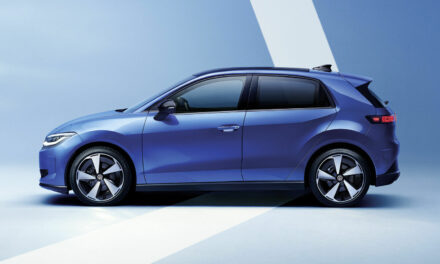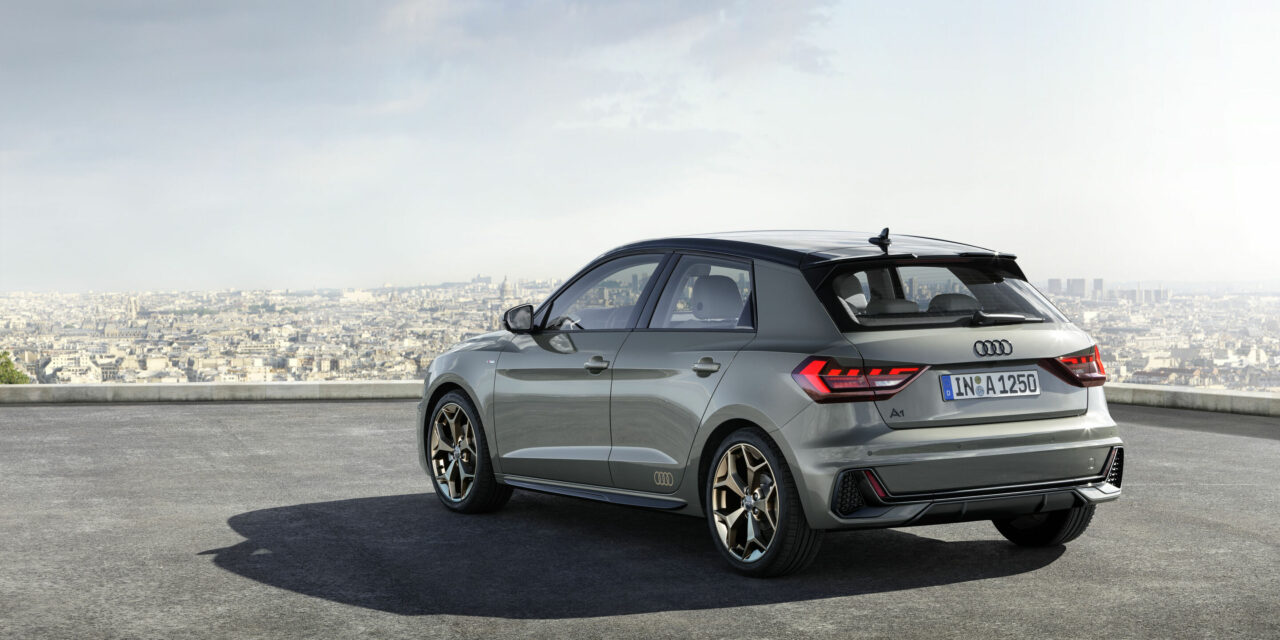
Audi has now confirmed that the Q2’s production run ends in April 2026 and the A1 is winding down as well. The replacement story is not a neat one-for-one swap: the next new entry point is the all-electric A2 e-tron, and that changes the whole shape of Audi’s lower end.
For a while, this looked like one of those slow-burn industry stories that everyone could see coming but nobody quite pinned down. Then the coverage started to bunch up. Auto Express has now treated the A1 and Q2 as effectively done, while Autocar and What Car? had already zeroed in on the bigger clue earlier in March: Audi’s newly announced A2 e-tron is not just another EV launch, it is the sign that the old small-car strategy is being folded away.
Audi’s own wording is now hard to dodge. In an April 23 production update, the company said production of the Audi Q2 at Ingolstadt “will end in April” and that A1 production in Martorell is “also winding down”. Audi also disclosed just how important those cars have been: 887,231 Q2s delivered and 1,389,658 A1s, with both models particularly popular in Germany, the United Kingdom and Italy.
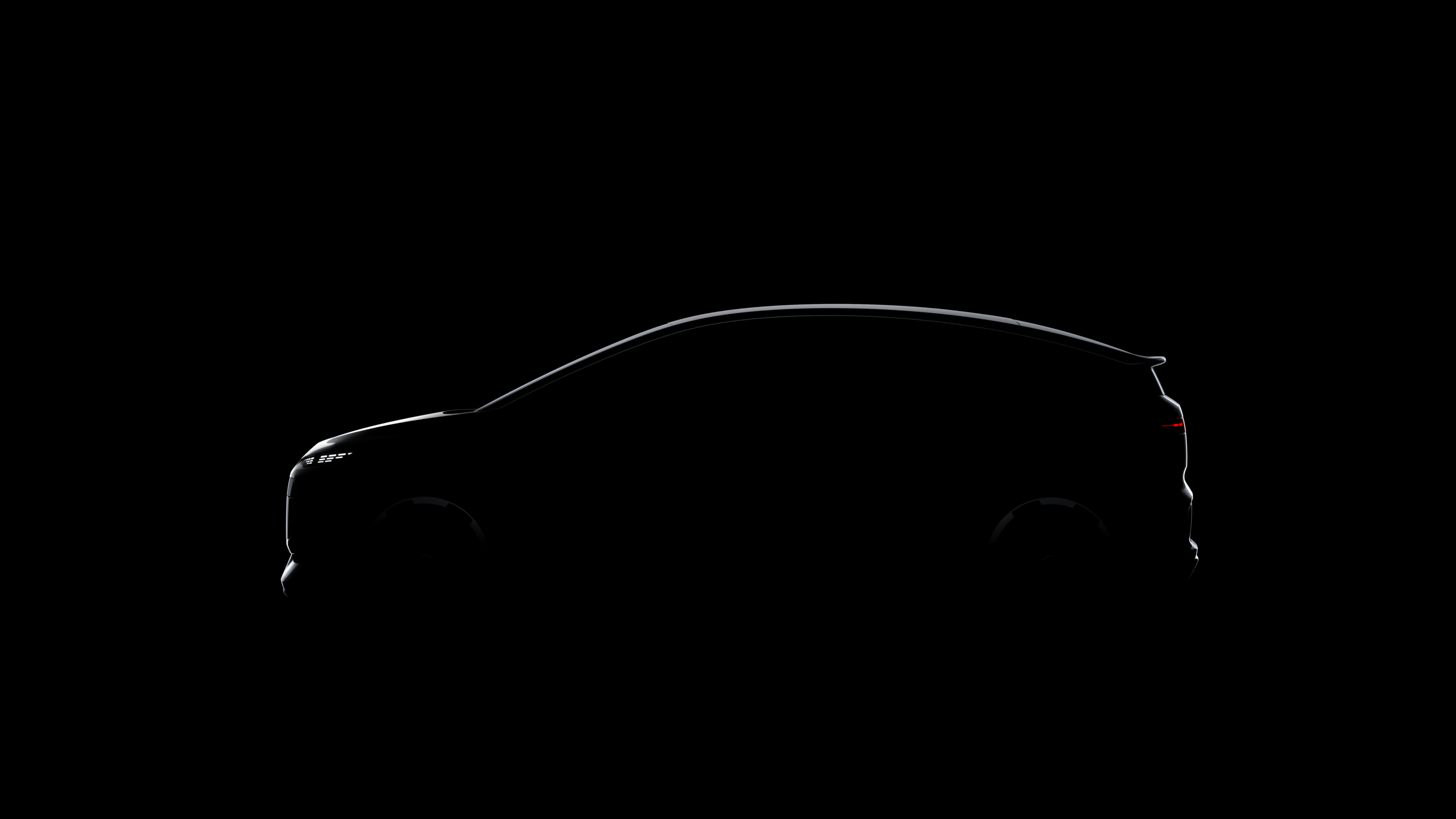
That matters because Audi is not leaving those customers with a like-for-like successor. At its Annual Media Conference on March 17, the firm announced the A2 e-tron, an “entry-level electric model family” in the compact class, due to be unveiled in autumn 2026 and built in Ingolstadt.
That sounds tidy in a presentation deck. In the real world, it leaves a noticeable gap.
The bit Audi now has to prove
The A1 and Q2 have been Audi’s way into the brand for buyers who wanted the badge, decent cabin quality and easy city-sized dimensions without stepping straight into a larger, pricier car. The A2 e-tron may eventually become Audi’s new entry point, but it is not trying to do exactly the same job. It is electric-only, it will arrive later, and “compact class” suggests something that sits a bit differently in both size and price expectation from a small petrol supermini or crossover.
So the short-term result is less about a dramatic cliff-edge and more about a reshuffle. A1s and Q2s will not disappear from forecourts overnight; there will be run-out cars, dealer stock and a healthy nearly-new pipeline for a while yet. But if you are the sort of buyer who would normally wander into Audi looking for the smallest sensible new option, the brand is quietly asking you to do one of three things instead: buy the last of the outgoing cars, move up into something like an A3 or Q3, or wait for an EV that may not suit your budget, driveway or charging setup.
That is the part quick news hits can miss. This is not simply Audi deleting two niche models. It is Audi deciding that its lowest rung should no longer be a conventional small car in the old sense. The move makes strategic sense on paper: tighter margins at the cheaper end, more pressure from Chinese brands in EVs, and a premium brand’s constant temptation to move its entry point upmarket. But it also risks making Audi feel more distant just as rivals are trying to widen their electric appeal rather than narrow it.
The detail buried in the replacement story
There is a second wrinkle, too. Audi says the A2 e-tron will make entry into its EV line-up “easier and more relevant than ever”. That is an ambitious promise, because the cars being phased out are not just products, they are familiar gateways. Replacing a petrol A1 with an electric A2 is not the same kind of transition as replacing one hatchback with another. The customer maths changes, the charging question appears immediately, and the used market suddenly becomes more important for anyone who still wants a compact Audi without paying for a brand-new EV.
In that sense, the growing media attention makes perfect sense. This is not really an obituary for the A1 and Q2. It is an early test of whether premium brands can move their entry-level offer upmarket and electrified without losing the people who used those smaller cars to get in.
What to watch next
What happens next is fairly clear. The outgoing cars will become run-out buys, then nearly-new staples. Audi will spend the rest of 2026 trying to convince buyers that the A2 e-tron is not a compromise but a proper new starting point. Whether that works will depend less on nostalgia for the old A2 badge and more on something simpler: where the new car lands on price, range and day-to-day usability once the launch gloss wears off.
Right now, Audi has confirmed the ending. The difficult bit is proving the new beginning really serves the same buyers.