Some news days are dominated by one huge announcement. This is not one of them. But there is still plenty here for UK drivers and fleet buyers: a possible break in the fuel-price squeeze, more evidence that electrified public transport is moving from pilot phase to normal business, and a couple of manufacturer updates that matter if you care about where the market is heading next.
Today’s mix is practical rather than flashy, which frankly suits Motoring Mojo just fine. Here are the stories worth knowing about.

Fuel prices may finally be about to ease
The most immediately useful update for ordinary motorists comes from the RAC’s latest fuel market note. After 43 days of rises, the organisation says pump prices appear to have finally stopped climbing. Its April 14 data put average petrol at 158.3p per litre and diesel at 191.54p, with wholesale costs now lower than they were at the start of the month.
That does not mean fuel is suddenly cheap again. A family car still costs about £87 to fill with petrol and around £105 with diesel, according to the RAC. But it does suggest some overdue relief may be coming if retailers pass lower wholesale costs through quickly enough. For drivers who have spent the last few weeks watching forecourt numbers jump almost daily, even a modest drop would be welcome.
Zero-emission buses take a record share of the market
The SMMT’s new Q1 bus and coach data show a mixed picture. Overall UK registrations of new buses, coaches and minibuses fell 37.7% year on year to 1,578 units in the first quarter, largely because last year’s comparison was boosted by grant-backed demand. But the more interesting number is the EV and hydrogen side of the ledger.
Zero-emission bus volumes fell to 588 units, yet their market share still reached a record 37.3%. That is a big signpost for where public transport is heading even when the headline market looks softer. For the public, cleaner buses mean quieter streets and lower local emissions. For operators and councils, it is another reminder that charging infrastructure and depot grid upgrades are becoming less of a future problem and more of a current one.
Stellantis reports a stronger first quarter
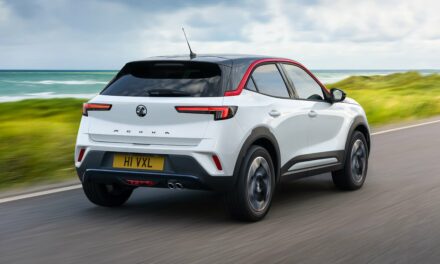
Stellantis said in its Q1 2026 shipments update that estimated consolidated shipments rose 12% year on year to 1.4 million units. Enlarged Europe was one of the main growth drivers, with passenger-car momentum helped by newer models from Fiat, Citroen and Opel/Vauxhall.
This is not a direct sales chart for UK buyers, and shipment figures always need a bit of care because they are not the same thing as retail registrations. Still, the direction of travel matters. A healthier Stellantis is relevant in Britain because its brands are everywhere, from Vauxhall family cars to Fiat vans. The company also highlighted growing commercial momentum for Leapmotor in Europe, which makes today’s other Stellantis-linked item feel more than a random side note.
Leapmotor targets urban fleets with the T03 LCV
Leapmotor has used the same week to unveil the T03 LCV, a tiny electric light commercial vehicle spun from its T03 city car. The numbers are very city-centre focused: 657 litres of cargo volume, payload of up to 220kg, a 70kW motor, a 37.3kWh battery and WLTP range of up to 256km. Leapmotor says order intake opens in April for early-launch EU countries, with first deliveries due in summer 2026.
For UK readers, this is one to watch rather than one to preorder tomorrow. There is no big British launch detail here yet, and micro-vans are still a niche proposition. But low-emission zones, short urban delivery routes and rising pressure on running costs mean compact electric work vehicles are getting harder to laugh off. If the pricing translates sensibly, small businesses and local delivery operators may end up taking this sort of vehicle more seriously than traditional van buyers expect.
The mood today
Put it all together and the message is fairly clear. Drivers want costs to come down, public authorities want cleaner transport, and manufacturers are still trying to work out which electric products will move from compliance exercise to genuine demand. Not every day brings a blockbuster headline, but this is exactly the kind of steady market movement that shapes what UK motoring looks like six months from now.