It is not the busiest motoring news morning of the month, which is usually a blessing in disguise. When the flow slows down a bit, the worthwhile stories tend to be the ones that say something practical about what drivers will pay, what buyers are choosing and where the wider market is actually heading.
Today’s shortlist is a compact one, but there is still a clear theme. Cost remains the big pressure point, whether that means fuel, repair bills or the kind of electric cars and vans people can realistically justify.
Forecourt prices are still under scrutiny
The AA’s April fuel price update says supermarket pump prices began catching up with other forecourts last week, with petrol and diesel both moving higher. The figures it highlighted on 7 April 2026 put average UK prices at 157.2p a litre for petrol and 189.2p for diesel, which is uncomfortable reading for anyone doing big mileage.
The practical point for drivers is that the supermarket bargain is not always the bargain it used to be. When the gap narrows, shopping around matters again, especially for diesel drivers who still end up carrying the nastiest costs through to everything from deliveries to trades and family travel.
Stellantis says its van business has started 2026 strongly
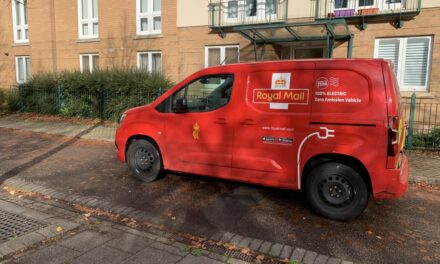
In a 13 April 2026 update on Stellantis Pro One, the group said its commercial vehicle volumes rose 7% globally in the first quarter, with a 28.7% share across the EU30 market. In plain English, that means the company behind brands such as Vauxhall, Peugeot, Citroën and Fiat Professional is still a heavyweight in the van market even while costs, regulation and electrification keep moving the goalposts.
For UK operators, the interesting part is less the corporate chest-thumping and more the signal underneath it. Vans remain a fiercely contested part of the market, and any manufacturer still posting growth in this environment is worth watching because fleets need confidence that product, supply and aftersales support will hold up.
Leapmotor is showing why cheaper EVs matter more than grand promises
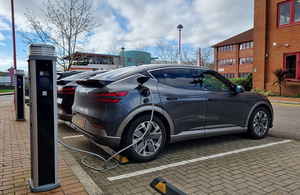
Leapmotor’s 7 April 2026 UK market update is one of those manufacturer releases that actually says something useful. The brand says it has registered 7,369 vehicles in its first year in the UK, took a 2.2% share of the electric car market year-to-date, and has found particular traction with private buyers who want an EV without wandering into silly-money territory.
That matters because the UK EV argument is increasingly about affordability rather than novelty. If lower-cost entrants can offer decent range, sensible equipment and straightforward pricing, they have a real chance of dragging more hesitant buyers into the market than yet another expensive halo model ever will.
Used parts are becoming a more serious repair story
One of the more quietly important updates this week came from Stellantis SUSTAINera on 10 April 2026. Beneath the corporate language, the key line is simple enough: original used parts can be far cheaper than new ones, with Stellantis saying some can come in at up to 70% less, while its B-Parts inventory has also been strengthened in Europe, including the UK market.
That will not fix every painful repair bill, obviously, but it does point to a more grown-up used-parts market becoming mainstream. For owners keeping older cars on the road for longer, that could become one of the more useful motoring developments of the year, especially if insurers and repairers get more comfortable with traceable manufacturer-backed reused components.
The broader takeaway is that this is still a market being pushed around by cost. Drivers are watching pump prices, buyers are hunting for more realistic EVs, fleets want dependable van support, and owners need repair options that do not feel absurd. A quieter news day, then, but not an unimportant one.