

Buying a first car is exciting right up to the point an insurance quote arrives. The useful move is not to hunt for a policy after choosing the car. It is to get realistic quotes for the cars on your shortlist before you commit to one. That can rule out a seemingly cheap car, or stop you paying for cover that does not suit the way you will actually use it.
This is a UK guide for new drivers choosing their own first policy. It is not about finding a magic trick to beat the system. The details given to an insurer must be true, complete and kept up to date. Get those foundations right and comparisons become much more useful.
The short version
Before paying a deposit on a first car, get quotes using the exact registration where possible. Compare the same start date, excess, mileage, parking arrangement and cover level each time. Check who is named to drive, what use is permitted and whether the excess is affordable. Then buy the car that works with the total cost, not just the purchase price.
The legal minimum in the UK is third-party motor insurance. But legal minimum is not automatically the best value or the best fit for a first car.
Start the insurance work while you are still shortlisting
An insurance group can be a handy first filter, but it is not a quote. Insurers price the whole picture: the driver, address, car, annual mileage, where it is kept and the cover selected. Two cars in the same group can still produce noticeably different premiums for the same person.
Use a shortlist of actual cars rather than broad model names. A 1.0-litre hatchback in one trim and registration year may not price like a similar-looking version with a bigger engine, different wheels or a higher specification. Once a seller will provide the registration, use it.
For each contender, keep the variables identical:
- the same policy start date
- the same voluntary excess
- the same estimated annual mileage
- the same overnight parking answer
- the same job title and work use
- the same named-driver list
- the same optional extras
That makes it possible to see what the car itself changes. Altering several answers at once only creates noise.
Do not use a fictional start date as the final answer
Quotes are time-sensitive. A comparison done weeks before purchase is a budgeting tool, not a promise of the final premium. When the car and collection date are settled, rerun the quote with the real start date and check every answer before payment.
Give the insurer the real story
The fastest way to turn a useful quote into a problem is to make the application look cheaper by changing the facts. A policy is priced on the risk the insurer is being asked to cover, so accuracy matters more than clever wording.
Main driver and named drivers
The main driver should be the person who uses the car most. Adding a parent or experienced partner as a named driver can be legitimate if they genuinely use the car too. Putting that person down as the main driver when the new driver will do most of the driving is called fronting. It is misrepresentation, not a money-saving technique.
Only list people who really will drive the car. A named driver must be permitted by the policy, and the policyholder should read the certificate and schedule rather than relying on assumptions. The Association of British Insurers notes that standard cover does not usually include driving by people who are not included on the policy, or use outside that allowed by it.
Mileage, parking and occupation
Estimate annual mileage honestly. Use recent commuting distance, regular trips, university travel and family journeys rather than an optimistic guess. If circumstances change, tell the insurer.
Answer the overnight-parking question for where the car normally stays, not where it occasionally stays. The same applies to occupation and use. Social, domestic and pleasure use, commuting and business use are not interchangeable labels. If the car will be used to travel to more than one workplace, visit clients or carry work equipment, check the policy wording and ask the insurer if unsure.
Choose cover by what it does, not by its name
There are three familiar cover levels:
- Third party pays for injury or damage caused to other people, vehicles, animals or property. It does not pay to repair the policyholder’s own car.
- Third party, fire and theft adds certain fire and theft losses to third-party cover.
- Comprehensive usually includes cover for the policyholder’s own car as well as third-party liability, but the exact terms still vary.
Do not assume third party will be the cheapest. Run equivalent quotes for all appropriate levels. Comprehensive insurance can sometimes cost less because insurers’ pricing reflects claims experience as well as the breadth of cover. More importantly, read the cover details: courtesy car, windscreen, personal belongings, key cover, driving abroad and replacement-car terms can all differ.
The ABI’s motor-insurance guidance is a useful reminder that comprehensive policies commonly cover damage to the insured car, but exclusions and limits still apply. Mechanical breakdown and ordinary wear and tear are not the same thing as an insured accident.
Treat the excess as money you may need tomorrow
The excess is the amount normally deducted from a claim. Many policies have a compulsory excess and may offer a voluntary excess on top. A high voluntary excess can make a quote look attractive, but it makes a small claim much less useful.
Before choosing one, ask two simple questions:
- Could I pay the total excess without borrowing if the car were damaged this month?
- If the excess is close to the likely cost of a minor repair, would I realistically claim?
A lower premium is not automatically a better deal if the excess turns an affordable repair into a crisis. Compare the total excess, not just the headline voluntary figure.
Black-box insurance can suit some new drivers, but read the rules
Telematics, often called black-box insurance, uses a device or app to measure aspects of driving such as time of day, journeys, speed or braking. The exact data, feedback and consequences vary between insurers.
It can work well for a driver comfortable with monitored driving and able to follow the policy’s rules. It is less appealing if the policy has restrictions that do not suit shift work, regular late journeys or the household’s practical needs. Before accepting it, check:
- whether there is a mileage limit and what happens if it is exceeded
- whether driving at particular times is restricted or simply monitored
- how scores are calculated and how they affect the premium
- whether the insurer can cancel or change terms for poor scores
- whether a phone app needs to remain installed or a device fitted
Do not choose it solely because the first monthly figure is lower. The policy needs to be liveable for a full year.
Add-ons: buy the gaps you actually have
Breakdown cover, motor legal protection, courtesy-car cover, key cover and protected no-claims discount are separate decisions. Some may be bundled, some may duplicate a bank account, manufacturer assistance package or another policy, and some may have exclusions that make them poor value.
First decide what would leave you stranded financially or practically. A driver who relies on the car to reach an early shift may value recovery highly. Someone with a spare family car may not need a generous replacement-car option. Compare the wording and price, not a sales label.
Do not assume you can drive another car
Many drivers hear that fully comprehensive insurance lets them drive any car. That is not a safe assumption. Driving Other Cars cover, if present, is a specific benefit with conditions. It may be limited to the policyholder, third-party-only cover, a certain age or a car not owned, hired or regularly used by them.
Check the certificate and policy schedule before borrowing keys. Motoring Mojo has a separate guide to driving another car on fully comp insurance that sets out why the wording matters.
The collection-day checklist
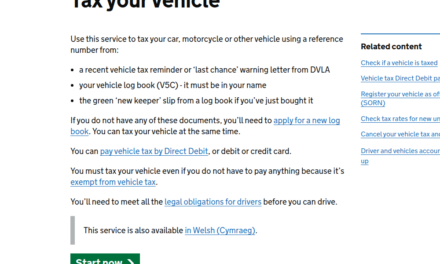
When you have chosen the car and policy, make sure the cover starts before you drive it on the road. You also need to tax the vehicle before using it, unless a specific exemption applies. GOV.UK’s buying-a-vehicle checklist confirms that insurance and tax are separate steps after purchase.
Before collection, save or print:
- the insurer’s confirmation and policy number
- the certificate of motor insurance
- the policy schedule, including named drivers and use
- the seller’s invoice or receipt
- the V5C new-keeper details needed to tax the car
Do not rely on a seller saying the car is insured or taxed. Insurance does not transfer with the vehicle, and vehicle tax does not transfer to the new keeper.
A calmer way to buy your first car
The best first car is rarely the cheapest advert or the quickest decision. It is the one you can insure accurately, maintain, tax and live with. Run real quotes early, keep every answer truthful, compare policy details as carefully as the premium, and leave enough money for the excess and the first unexpected bill. That is not glamorous, but it is how a first car stays an opening chapter rather than an expensive lesson.
First car insurance FAQs
Is third-party insurance always cheaper for a first car?
No. Pricing varies by insurer and driver. Compare appropriate third-party, fire-and-theft and comprehensive quotes with identical details.
Can a parent insure my first car for me?
A parent can be a genuine main driver if they use the car most. If you will use it most, you should normally be declared as the main driver. Describing the arrangement falsely is fronting.
Does car insurance transfer when I buy a used car?
No. Arrange your own insurance to start before driving the car on the road. The seller’s policy is not your cover.
Is a black box compulsory for new drivers?
No. It is one type of policy. It may suit some new drivers, but compare its rules, monitoring and price with non-telematics policies.




Trackbacks/Pingbacks