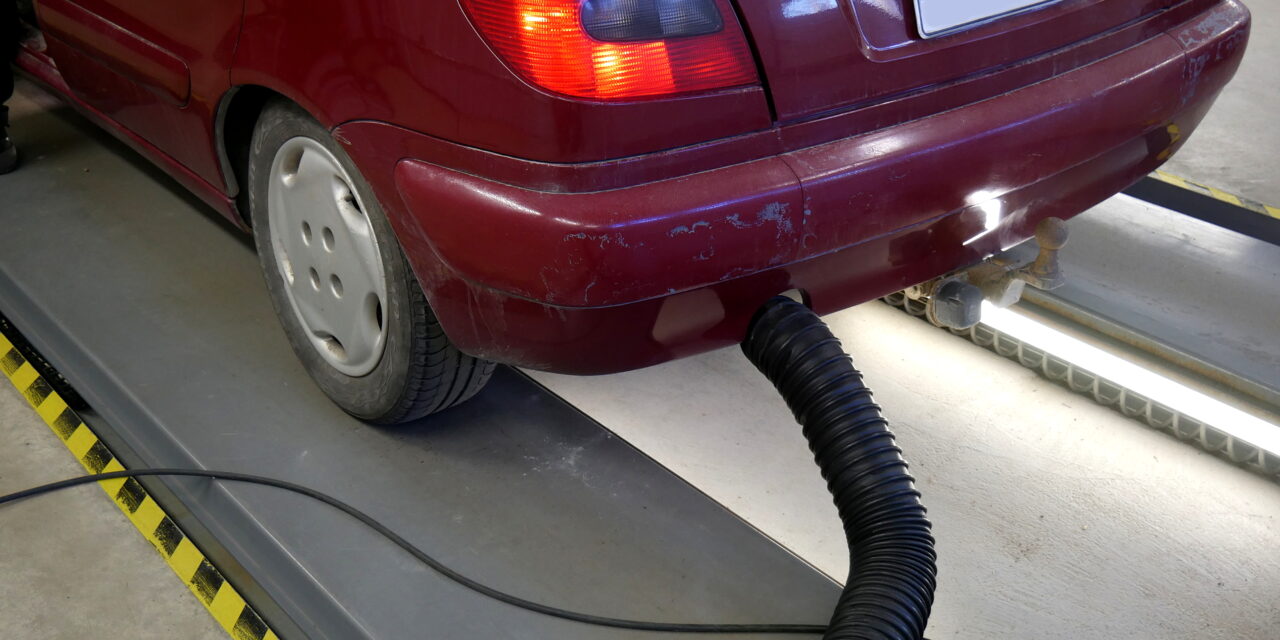
A diesel particulate filter, or DPF, catches soot from the exhaust. It is designed to clear that soot through regeneration, but the popular advice to give any diesel a hard motorway run is too crude to be genuinely useful. The right response depends on the warning lights, the car’s handbook and whether there is an underlying fault.
This guide is for UK diesel-car owners who mainly make short journeys, have noticed a DPF warning or simply want to look after the system without wasting fuel or masking a problem.
First, know what regeneration is doing
When conditions are right, the car raises exhaust temperatures so accumulated soot can burn away. Some cars can do this passively during a sustained drive; others use an active strategy, often adding fuel late in the cycle to increase exhaust temperature. The system needs the engine to be properly warm and a driving pattern that lets the process complete.
That does not mean every journey must be a dual-carriageway trip. Nor does it mean holding a lower gear, high revs or a particular speed will repair a fault. The required conditions, warning messages and driver instructions differ by make, engine and emissions system. Your handbook is the authority for your car.
When a longer drive is a reasonable move
If the only issue is a DPF warning, the car otherwise runs normally and its handbook tells you to drive to allow regeneration, follow that instruction as soon as it is safe and practical. Usually that means a continuous, unhurried drive after the engine is warm, rather than several stop-start errands. Pick a route where you can drive steadily and legally without forcing the car.
Avoid treating it as a race. Do not sit stationary revving the engine, and do not keep driving with a warning just because a previous run cleared it. If the handbook specifies a speed, gear, duration or a message to wait for, use those instructions rather than an internet rule of thumb.
Signs that point to a garage, not another drive
Book a diagnostic check promptly if the DPF light stays on after you have followed the handbook, returns repeatedly, or appears with an engine-management light, limp mode, a flashing glow-plug light or a strong loss of power. Stop and seek advice sooner if the car displays a red warning or tells you to stop.
A blocked filter can be the result, not the cause. A garage should read the fault codes and investigate why regeneration is failing. Depending on the car, that can involve pressure or temperature sensors, EGR faults, injector problems, a thermostat that prevents the engine reaching temperature, leaks or the way the car is being used. Repeatedly attempting a drive cycle without diagnosis can turn a manageable fault into a larger bill.
Check the oil level before and after a problem
On some diesels, interrupted active regenerations can contribute to fuel dilution of the engine oil. An oil level that has risen, a warning about oil quality or a service message is not something to ignore. Check the dipstick or electronic level exactly as the handbook says, and arrange servicing if the level is above the maximum mark or the car calls for an oil change. Do not drain or overfill the oil yourself unless you know the correct procedure.
A routine that suits a short-trip diesel
- Use the right oil. DPF-equipped engines normally require a low-ash specification. The grade on the bottle is not enough: match the manufacturer approval in the handbook.
- Do not stretch servicing. Use the correct interval for the car and its use. Tell the garage if it is mainly used for short trips or has had DPF warnings.
- Give it suitable journeys when you can. Combine errands or take a normal longer journey from time to time, instead of relying exclusively on cold, two-mile runs.
- Act on a warning early. A single warning is a prompt to follow the handbook. A recurring one is evidence worth diagnosing.
- Keep records. Save invoices for diagnostics, cleaning and replacement parts. They matter to the next owner of a diesel.
Do not remove or defeat the filter
Removing a DPF or altering the software to hide its absence is not a maintenance shortcut. It can make the vehicle illegal for road use, create MOT and insurance problems, and materially increase emissions. The RAC’s current DPF guide sets out the legal and practical consequences. A reputable repairer should diagnose and repair the cause, then use an appropriate cleaning or replacement route where needed.
Buying a diesel? Match it to the journeys you really make
Ask the seller about DPF warnings, replacement or cleaning, oil changes and the car’s typical use. Then consider your own routine honestly. A diesel can still suit regular longer journeys, towing and high annual mileage. If most driving will be brief urban trips, a petrol, hybrid or EV may be the lower-hassle choice.
Before buying, check the vehicle’s MOT history and emissions-related advisories through the free GOV.UK MOT history service. It will not diagnose a DPF, but repeat emissions issues, warning lights or a reluctant seller are reasons to investigate before paying.
The practical bottom line
A sensible sustained drive can help a healthy diesel complete a regeneration when its handbook says it should. It is not a cure for every DPF light, and a forced motorway blast is not maintenance. Follow the car-specific instructions once, check the oil level and book diagnostics if the warning remains or returns. That approach protects the filter, the engine and your wallet.
For the separate question of whether cleaning is sensible once a fault has been diagnosed, see our guide to DPF cleaning costs in the UK.