If your car is written off while it is still on finance, there are really two separate problems to deal with. One is the insurance claim. The other is the finance agreement that does not automatically disappear just because the car is beyond economical repair.
That gap is what catches people out.
In most cases, the insurer values the car at its pre-accident market value, minus any excess. The finance company then has first call on that money until the agreement is settled. If the payout is lower than the settlement figure, you may still owe money even though the car has gone.
The short version
- Tell your insurer and your finance company as soon as the car is declared a total loss, or looks likely to be.
- Do not assume the finance agreement has ended just because the car has been written off.
- Ask the lender for the exact settlement figure, not a rough balance.
- Check whether the insurer’s market value is realistic before you accept it.
- If there is a shortfall between the insurance payout and the finance settlement, you usually still owe it unless GAP cover steps in.
Why the payout does not simply come to you
With HP and PCP, the finance company normally remains the legal owner until the agreement is settled. That matters when a financed car is written off.
Industry finance guides from Car Finance 247, cinch and Motorway all describe the same broad process. The insurer works out the car’s market value just before the loss, then any payout usually goes to clear the outstanding finance first. Only money left after that would normally come to you.
That is why a financed write-off can turn into a money problem even when you have fully comprehensive insurance.
The usual order of events
1. The insurer decides the car is a total loss
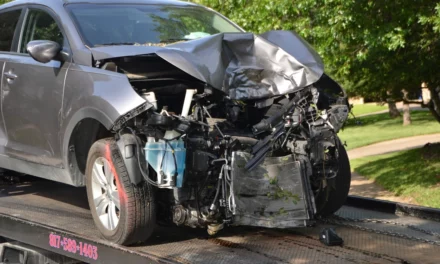
A write-off, or total loss, does not always mean the car is mangled beyond recognition. It can simply mean repair costs do not make financial sense against the car’s value.
Once the insurer reaches that point, ask for three things straight away:
- the proposed market value
- the policy excess being deducted
- confirmation of how and when the finance company will be paid
2. You ask the lender for the settlement figure
Do not rely on what you think is left to pay from your monthly statements. Ask the finance company for the live settlement figure. That is the number that matters.
On a PCP agreement, that figure may not feel intuitive if you are early in the deal or if the optional final payment is shaping the balance. On any agreement, it is the formal settlement figure, not your guess, that tells you whether there is a surplus or a shortfall.
3. The numbers are compared
There are only three likely outcomes.
The payout covers the finance exactly
The cleanest outcome. The lender is paid, the agreement ends and you move on.
The payout is higher than the settlement figure
The finance is cleared and the remaining balance is usually paid to you.
The payout is lower than the settlement figure
This is the painful one. You still have a shortfall to clear unless you have suitable GAP insurance or another protection that covers the difference.
Why shortfalls happen so often
Cars depreciate faster than many finance balances fall, especially early in an agreement. If you bought at a strong price, rolled in negative equity from an old deal, or chose a long term with a small deposit, the risk is higher.
That is the part many generic write-off guides skate past. The real problem is not that the car was insured. It is that insurance usually pays market value, while the lender wants the settlement figure.
Those two numbers are often not the same.
Do not wave through a weak valuation
If the insurer’s offer looks light, pause before accepting it.
The Financial Ombudsman says the starting point for a write-off payout is the car’s market value just before it was damaged or stolen. It also says comparable adverts can now be relevant evidence when assessing whether that figure is fair, as long as the examples are genuinely close to your car in age, mileage, specification and condition.
That means you should not just search your model name and hope for the best. Pull together proper like-for-like examples:
- same generation and engine
- similar trim level
- similar mileage
- same gearbox type
- close registration year
- similar condition and factory options
If your car had obvious pre-existing damage, be realistic. But if the insurer has simply come in low, challenge it with comparable adverts and ask them to explain the valuation source.
A useful detail for nearly new cars
If your policy includes new car replacement, ask about it early rather than after agreeing a cash payment.
The Financial Ombudsman notes that this can get more complicated on PCP or HP because the finance company is the owner until the final payment. In practice, that means a replacement may depend on the lender agreeing to the arrangement as well as the insurer.
So if the car is very new and your policy documents mention replacement rather than market value, raise that point before the claim drifts too far.
What GAP insurance actually changes
GAP insurance is not magic, but it can be useful in exactly this scenario.
If the car is written off and the main insurer only pays market value, GAP cover may pay some or all of the difference between that payout and the finance settlement, depending on the policy type and limits.
That is why GAP tends to matter most on cars that depreciate quickly or deals where the customer starts with a small deposit.
What it does not mean is that every GAP policy pays every shortfall in every situation. Check:
- the claim limit
- whether the policy covers finance shortfall or invoice value
- any exclusions for missed payments or modified vehicles
- whether you bought cover that matches the way the car was financed
If you want the bigger picture before buying cover, Motoring Mojo already has a separate guide on when GAP insurance is worth it in the UK.
What not to do after a financed write-off
Do not cancel the finance direct debit on instinct
Until the lender confirms the agreement is settled, treat the finance as still live. A write-off does not automatically close the account on the day of the accident.
Do not accept the first valuation just to get it over with
A rushed acceptance is hard to unwind later.
Do not assume your insurer and lender are talking clearly to each other
Usually they will coordinate, but you should still ask for updates from both sides and keep a record of who said what.
Do not forget extras and documents
If the car is going to the insurer, remove personal belongings, dash cams, parking permits and anything else that is yours before it disappears into the claims process.
The practical checklist that keeps this tidy
If your car on finance has been written off, work through this in order:
- Report the loss to your insurer.
- Tell the finance company the car has been written off, or is likely to be.
- Ask the lender for the exact settlement figure.
- Ask the insurer for the proposed market value and excess deduction.
- Compare the two numbers before accepting the claim.
- If the valuation looks low, build a file of comparable adverts and challenge it.
- Check whether GAP insurance applies.
- Wait for confirmation that the finance agreement is settled before assuming the matter is closed.
The point most drivers actually need to hear
A financed write-off is not mainly an insurance story. It is a valuation-and-settlement story.
If the insurer pays a fair market value and that figure comfortably clears the finance, the whole thing is unpleasant but straightforward. If the valuation is weak, or the finance balance is still high, that is when a bad day turns into a second bill.
So the smart move is not panic and not blind acceptance. It is getting the exact settlement figure, checking the market value properly and forcing the numbers to line up before you sign anything away.