Sometimes the safest decision is to stop rather than press on while tired. But if that means settling down in the car, the question is not simply whether sleeping there is ‘legal’. In the UK, the answer depends on where the car is parked, what the landowner or local restrictions say, and whether drink, drugs or a plan to drive are involved.
There is no single nationwide rule that makes sleeping in a parked car an offence by itself. That does not turn every lay-by, residential street or supermarket car park into an overnight pitch. Treat the location and your next move as the important parts of the decision.
Start with the place, not the back seat
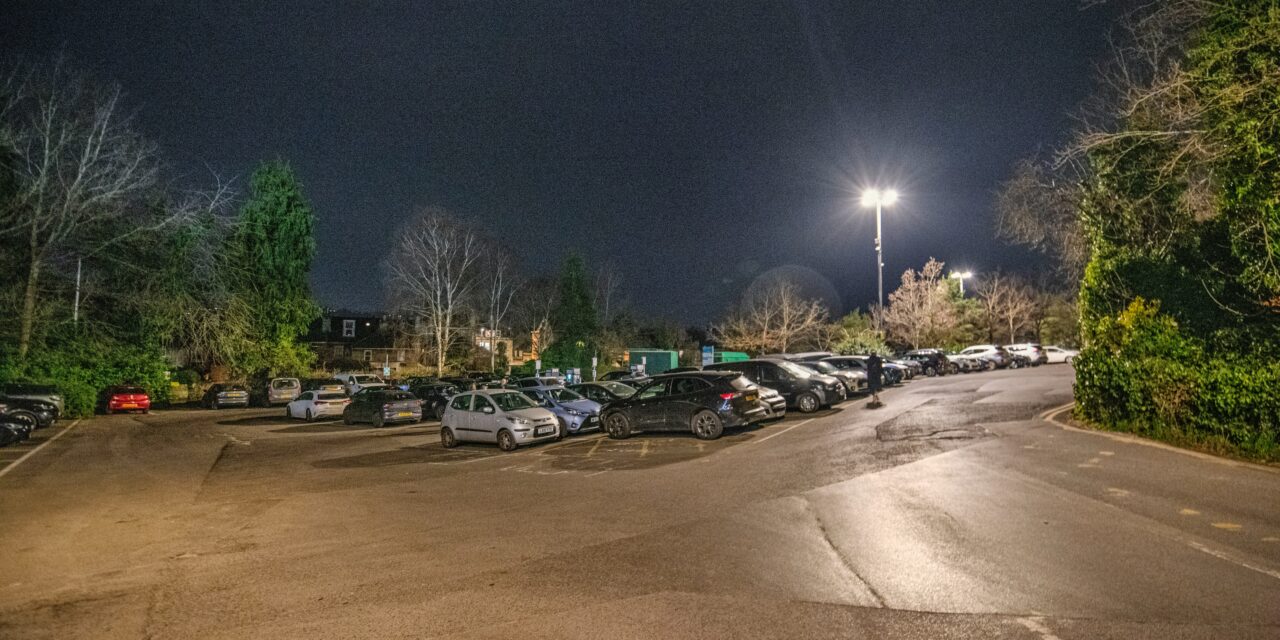
A car park is private land unless it is owned or controlled by a public body. The operator can set conditions for using it, including opening hours, maximum stays and a ban on overnight parking or sleeping in vehicles. Read the signs at the entrance and by the payment machine. An ANPR camera will not make an overnight stop acceptable just because there is an empty bay.
On a public road, normal parking restrictions still apply. Yellow lines, controlled parking zones, red routes, permit bays and clearway restrictions do not pause because the driver is resting. The Highway Code’s parking rules also apply at night. In particular, a vehicle must not be parked on a road at night facing against the traffic flow unless it is in a recognised parking space, and parking-light rules can apply on roads and lay-bys with a speed limit above 30mph.
A campsite, a designated overnight stop or a hotel car park where the operator has expressly agreed is a much better bet than assuming a beauty spot or retail park is fine. Local byelaws and public-space protection orders can add restrictions, especially in tourist areas. Check the council or landowner information for the specific location rather than relying on a social-media recommendation.
Do not use tiredness as a reason to drive on
If fatigue is building, stopping somewhere safe is better than trying to fight it with coffee, loud music or an open window. Park legally, secure the car and decide whether a short rest is enough or whether you need proper accommodation. A nap is not a substitute for sleep after a long shift, a late ferry or a night out.
Choose a well-lit, legitimate place where you are allowed to be. Lock the doors, keep valuables out of sight and have a way to leave if the place feels wrong. Never sleep with the engine running in a garage or other enclosed or poorly ventilated area: exhaust gases can contain deadly carbon monoxide. Switching the engine off also avoids unnecessary noise and emissions.
Alcohol changes the risk completely
Sleeping in the car after drinking is not a reliable way to sidestep drink-drive law. Section 4 of the Road Traffic Act 1988 covers a person who is in charge of a mechanically propelled vehicle on a road or other public place while unfit through drink or drugs. The law includes a defence where the person proves there was no likelihood of driving while unfit, but that is a fact-specific legal test, not a bedtime checklist.
Where the vehicle is parked, where the keys are, whether the engine is running, your stated plan and any realistic opportunity to drive can all matter. The safest answer after drinking or taking drugs is not to sleep in the driver’s seat and hope for the best. Do not drive until you are fit and lawfully insured to do so, and arrange a taxi, a lift or overnight accommodation if there is any doubt.
A quick overnight-stop checklist
- Check permission: read the signs and terms, then leave if overnight stays are prohibited.
- Park legally: do not ignore waiting restrictions, permit rules, red routes, clearways or local restrictions.
- Choose safety over convenience: use a legitimate, well-lit location where possible, not an isolated spot that makes you uneasy.
- Switch the engine off: never run it for warmth in an enclosed or poorly ventilated place.
- Be realistic about drink and drugs: if you are unfit, remove any prospect of driving and make another plan.
- Do not set off groggy: give yourself time to recover properly before driving, even if the car is legally parked.
What if someone asks you to move?
Stay calm and do not assume you can stay because you have already paid for parking. If a landowner, operator or authorised officer tells you that you cannot remain, ask where you may lawfully go and make arrangements that do not put you or anyone else at risk. If you are too tired or unfit to drive, explain that clearly and seek alternative help rather than driving away impaired.
The sensible bottom line
Sleeping in a car is not automatically unlawful across the UK, but it is only a sensible option when the parking is permitted, the location is safe and there is no plan to drive while tired, drunk or otherwise unfit. For a planned overnight stay, get permission or book somewhere designed for it. For an unplanned fatigue stop, make legality and safety the first two checks before closing your eyes.