Many cars make it easy to leave the fog lights on. A twist of a stalk or a dashboard button can illuminate a rear lamp that is much brighter than normal tail lights, or front lamps that add glare for people coming the other way. That convenience is precisely why they are often used when they should not be.
The UK rule is simpler than it first appears: fog lights are for seriously reduced visibility, not for any dark, wet or gloomy drive. The Highway Code gives drivers a useful guide: visibility is generally seriously reduced when you cannot see for more than 100 metres, about the length of a football pitch.
When are you allowed to use fog lights?
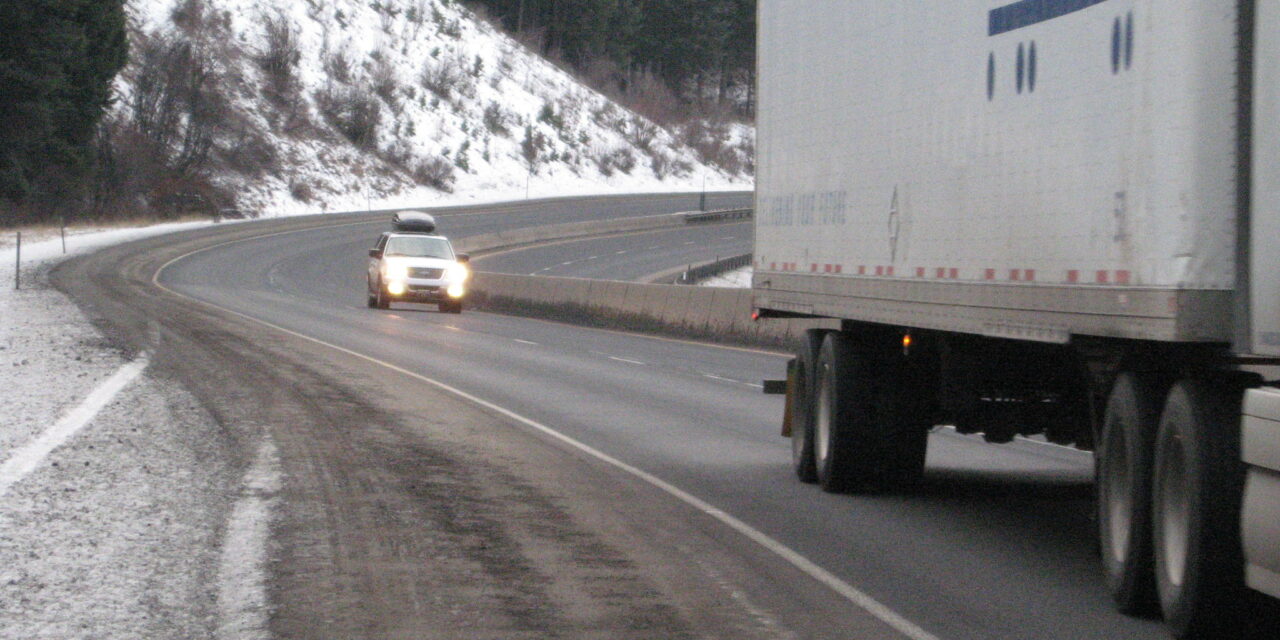
Highway Code Rule 226 says headlights must be used when visibility is seriously reduced. It says front or rear fog lights may also be used in those conditions. Think dense fog, heavy falling snow or spray so thick that ordinary lamps are not making your vehicle conspicuous enough.
Rule 236 then makes the limit clear: you must not use front or rear fog lights unless visibility is seriously reduced, and you must switch them off when it improves. The rule cites the Road Vehicles Lighting Regulations, so this is not merely a bit of polite motoring etiquette.
Fog does not have to cover an entire journey. On a clear road approaching a foggy dip or a patch of drifting mist, prepare for the change, slow down and reassess the view ahead. But do not turn fog lights on just because a roadside sign warns of fog while the road remains clear.
Night-time, rain and normal mist are not automatic reasons
It can be very dark on an unlit road and still not be a fog-light situation. Your dipped headlights and normal rear lights are designed for that. The same applies to ordinary rain, a light haze and the low sun of a winter afternoon if you can see well beyond 100 metres.
A useful test is not whether you feel that the weather is unpleasant. It is whether you can see clearly far enough ahead, and whether drivers behind need the extra-bright rear lamp to find your car in time. If the answer is yes, use the lights. If the view opens up again, turn them off.
Why rear fog lights cause the biggest problem
The rear fog light is deliberately intense. It gives a following driver a bright point to aim for in genuine fog, but it can be dazzling at normal following distances. It may also make your brake lights harder to pick out, which is especially unhelpful when traffic starts slowing.
That is why a rear fog lamp can be more disruptive than a front one when weather improves. It is easy to forget it is on because the car still looks normal from the driver’s seat. Check the dashboard warning lamp after you leave the fog, and check again after restarting if your car remembers the setting.
What about front fog lights?
Front fog lamps sit low, beneath the main headlights. In fog they can help light the road surface close to the car without simply bouncing as much light back into the driver’s eyes as high-mounted lights can. They do not replace dipped headlights, and they do not create a clear view through a fog bank.
Used in clear conditions, front fog lights can add glare and make it harder for other road users to judge what they are seeing. Some cars have low front lamps as part of their daytime-light design, so do not assume every low light you see is a driver using fog lamps incorrectly. Check your own handbook if the symbols or controls are unfamiliar.
The 100-metre rule is a guide, not a target speed
Seeing less than 100 metres tells you fog lights may be appropriate. It does not tell you that 100 metres is a safe stopping distance. In fog, reduce speed so that you can stop well within the distance you can actually see to be clear. Leave a bigger gap and avoid using the rear lights of the vehicle ahead as a reason to press on.
Highway Code Rule 235 also advises using wipers and demisters, checking mirrors before slowing and using the brakes so that brake lights warn traffic behind. On a motorway or dual carriageway, it is particularly important not to accelerate away from a vehicle that is following too closely.
A quick fog-light routine
Before setting off in fog, make sure all lights and the number plate are clean, the windscreen is demisted and the washer bottle is not empty. Once moving:
- Use dipped headlights when visibility is seriously reduced.
- Add front or rear fog lights only when the reduced visibility genuinely calls for them.
- Slow down early and leave a gap that lets you stop in the clear distance ahead.
- Use mirrors before reducing speed, then brake progressively so drivers behind get a clear warning.
- Switch the fog lights off as soon as visibility improves, even if the road is still wet or it is still dark.
Can fog lights affect an MOT?
A faulty mandatory rear fog lamp can be an MOT issue, but that is separate from using a working lamp correctly on the road. The MOT test is not permission to leave fog lights on in clear weather. If a warning light, switch or lamp does not behave as expected, get the fault diagnosed. On an older car, a failed switch or corroded connector can leave a fog lamp on when you think it is off.
The practical takeaway is straightforward. Fog lights are a short-term visibility tool. Use them decisively when you cannot see far enough, then turn them off promptly when you can. That keeps your car visible when it needs to be, without dazzling the people sharing the road with you.