A cheap used car can stop looking cheap very quickly if it has a wet-belt engine and the service history is vague.
This is one of those modern used-car risks that catches buyers twice. First, because plenty of shoppers do not realise the engine they are looking at uses a belt running in oil. Second, because the danger is not just belt age. The bigger problem is often poor servicing, the wrong oil, patchy invoices or a seller who cannot prove what has actually been done.
If you are looking at a used Ford, Peugeot, Citroen, Vauxhall or another model that may use a wet belt, the key question is not whether the asking price looks tempting. It is whether the paperwork proves the engine has been maintained properly enough to trust.
The short version
- A wet belt, or belt-in-oil system, runs inside the engine oil rather than outside it.
- If the belt degrades, rubber debris can contaminate the oil system and lead to major engine damage.
- Honest John says preventive wet-belt replacement can often cost around £800 to £1,200, while a failed engine can cost far more.
- The biggest used-car risk is poor or incomplete servicing, especially if the correct oil specification was not used.
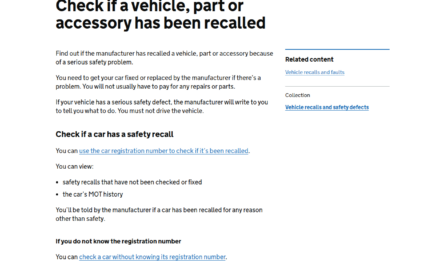
- Use the GOV.UK MOT history and MOT status tools, but do not mistake them for proof that the wet-belt job has been done.
- If the seller cannot show convincing invoices, exact service dates and the right oil spec, treat the car as a gamble, not a bargain.
What a wet belt actually is, and why buyers care
A wet belt is a timing belt that runs inside the engine and is lubricated by engine oil. Honest John describes it as a belt-in-oil system designed to reduce friction, improve efficiency and help quieten the engine.
That all sounds clever enough until the maintenance side gets sloppy.
When a wet belt starts to break down, the issue is not just that the belt itself may fail. Rubber particles can also circulate in the oil, block the pickup and starve the engine of lubrication. That is why this is such an expensive problem. You are not only worrying about the belt. You are worrying about what belt debris may already have done elsewhere.
Which used cars raise the question most often?
This is not a complete list, and you should never rely on a badge alone, but the wet-belt conversation comes up again and again around certain engine families in the UK used market. Honest John’s updated 2026 guide highlights common examples including some Ford 1.0 EcoBoost models and a large number of 1.2 PureTech petrol cars used across Peugeot, Citroen, DS and Vauxhall ranges.
The important bit is this: not every car from those brands uses the same setup, and later revisions may differ.
So do not buy or reject a car just because someone says, "That model has a wet belt." Check the exact engine, model year and service record for the specific car in front of you.
The paperwork matters more than the advert copy
A used-car advert may say full service history, just serviced or cambelt done. None of that is good enough on its own.
With a wet-belt engine, you want paperwork that answers four questions clearly:
- Has the car been serviced on time?
- Do the invoices show the correct oil was used?
- Has the belt already been replaced if age or mileage make that likely?
- If it has not been replaced, have you priced the job into the deal properly?
If the seller cannot answer those questions with documents rather than confidence, slow down.
The checks to do before you agree anything
1. Check the MOT history first, before you fall for the photos
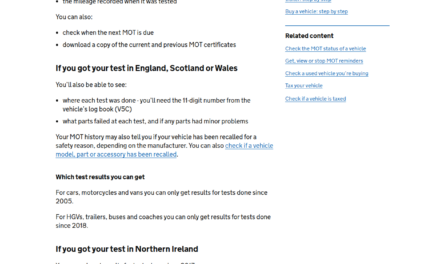
The GOV.UK MOT history service lets you see previous test results, mileage records and advisories for vehicles tested in Great Britain. It may also show recall information depending on the manufacturer.
That will not confirm a wet-belt change, but it can tell you plenty about how the car has been kept.
Look for patterns such as:
- repeated low annual mileage followed by a sudden jump
- long runs of poor maintenance advisories
- signs the car has been run cheaply for years
- recurring emissions or engine-related issues
If the history looks neglected everywhere else, there is no sensible reason to assume the engine oil side has been treated perfectly.
2. Check the MOT status as well
The separate GOV.UK MOT status checker confirms whether the car currently has an MOT and when it expires.
That sounds basic, but it matters. Sellers sometimes rely on the fact a car still has test time left to make it feel sorted. An MOT expiry date tells you the car is currently tested, not that the wet-belt risk has gone away.
A valid MOT is useful. It is not a substitute for service proof.
3. Ask for invoices, not just stamps
Service-book stamps are better than nothing, but invoices are where the real answers usually live.
You want to see:
- dates and mileage for each service
- the garage name
- the oil grade or specification used
- any notes about timing-belt inspection or replacement
- any extra oil-system cleaning or related work if a belt was changed
On a wet-belt car, "full service history" without paperwork is a weak position. If the seller says the records are all digital, ask who serviced it and where. A genuine owner or dealer should be able to point you to the supplying garage, dealer network or downloadable service printout.
4. Match the service intervals to the car’s real life
Some wet-belt cars look fine on paper because they have low mileage, but age matters too.
A ten-year-old car that has covered modest miles is not automatically safe just because it has not travelled far enough to trigger a headline mileage interval. If a car is old enough to be in the danger zone for a belt job, what matters is whether there is hard proof the work has been done, or whether the price is low because the next owner will be paying for it.
5. Be fussy about oil specification
This is where buyers get lazy and it is exactly where they should not.
Wet-belt engines are especially sensitive to using the correct oil specification. Honest John specifically warns that the wrong oil can contribute to belt degradation.
That means a vague service invoice showing engine oil changed is not ideal. You want something that points to the correct spec for that engine, or at least evidence from a garage that knows the car properly.
If the paperwork is a mixture of handwritten notes, unknown back-street invoices and missing years, you should assume risk rather than hope for the best.
6. If the belt has been replaced, ask what else was done
A believable wet-belt job should sound like a proper job, not a quick line in an advert.
Ask:
- who did the work
- when it was done
- at what mileage
- whether the oil pickup or related components were inspected or cleaned if needed
- whether there is an invoice you can read before paying a deposit
A seller who becomes vague at this point may be telling you more than they mean to.
7. Build the cost into the negotiation properly
If the car is otherwise right but the belt job is looming, negotiate as if you will be paying for it soon, because you probably will.
Honest John’s current wet-belt guide puts preventive replacement around £800 to £1,200 in many cases. Depending on the engine and what is found, the bill can go higher. That means a used car that looks £1,000 cheaper than the next one may not be cheaper at all.
This is why the phrase bargain needs translating into actual numbers.
When it still makes sense to buy one
A wet-belt used car is not automatically a walk-away.
It can still make sense if:
- the price is genuinely right
- the service record is complete and believable
- the oil-spec evidence is strong
- the belt has recently been replaced by a reputable garage, or you have budgeted properly to do it soon
- the rest of the car stacks up on MOT history, condition and ownership trail
The mistake is not buying a wet-belt car.
The mistake is buying one because the monthly payment, sticker price or low mileage made you ignore the paperwork.
When you should walk away
Be very cautious if:
- the seller only has stamps and no invoices
- there are missing years in the service record
- nobody can tell you what oil was used
- the advert claims the belt was done but there is no proof
- the dealer brushes it off with "they all do that" or "it’ll be fine"
- the asking price is only slightly below stronger examples with better history
There are too many used cars on the market to take a weak wet-belt story on trust.
The smart buyer’s rule on wet-belt cars
Use the government tools first. Check the MOT history. Check the MOT status. Then move quickly from online checks to the service file, because that is where the real decision sits.
If the seller can show a clean, consistent record with convincing invoices and the right oil history, a wet-belt car may still be worth having.
If they cannot, do not talk yourself into it because the alloy wheels look nice and the price feels keen. On this topic, the paperwork matters more than the discount.