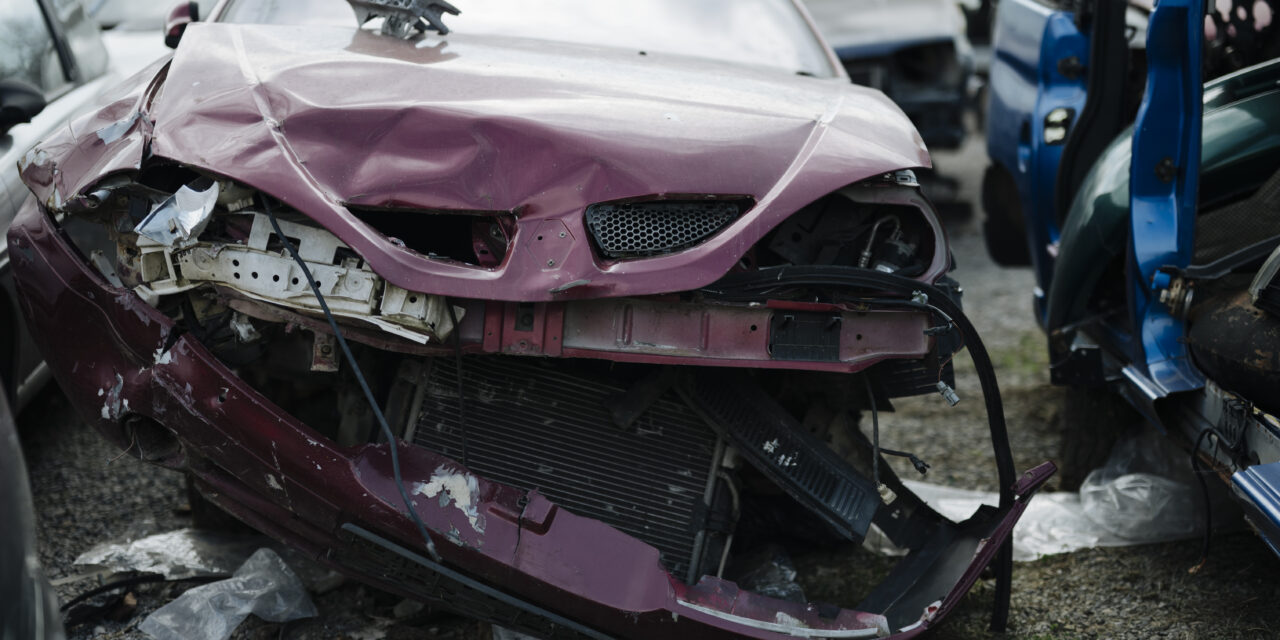
A Cat S or Cat N badge in the advert does not automatically make a car uninsurable, and it does not automatically make it a bargain either.
The mistake many buyers make is focusing on the lower asking price first and only checking insurance after they have fallen for the car. That is the wrong order. If the insurer options are thin, the premium is painful or the seller cannot explain the repair properly, the cheap car can stop looking cheap very quickly.
The short version
If you are thinking about a Cat S or Cat N car in the UK, get an insurance quote before you travel to see it, before you pay a deposit and definitely before you assume the discount is worth having.
That one step does three useful things:
- it shows whether mainstream insurers will quote at all
- it tells you whether the lower purchase price is about to be swallowed by a higher premium
- it exposes category-marked cars that are only cheap on the advert, not cheap to own
Why the write-off category matters in the first place
According to GOV.UK, Category N cars can be repaired after non-structural damage, while Category S cars can be repaired after structural damage. Both can go back on the road if repaired to a roadworthy condition.
That sounds straightforward, but the insurance angle is where buyers often get a more complicated answer.
RAC notes that Cat N does not mean harmless. Its guide says Category N is used for non-structural damage, but that can still include safety-related items such as brakes or steering, not just cosmetic scuffs or a cracked bumper. In other words, non-structural does not mean no risk.
Category S is a bigger step up because the damage was structural. That does not automatically mean the repaired car is unsafe, but it does mean the repair history matters more and insurers may treat the risk more cautiously.
Can you insure a Cat S or Cat N car?
Usually, yes. The more useful question is whether you can insure it easily, at a sensible price and with the level of cover you actually want.
That is where the answers start to vary. RAC says Cat N cars can be more expensive to insure and that some insurers are unwilling to cover them. Howden makes the same point on Cat S cars, saying cover can be pricier and harder to come by.
Just as importantly, Finder points out that a category marker does not always guarantee a higher premium in every case, because a write-off car may also have a lower market value. That is the sensible middle ground. Do not assume the quote will be terrible, but do not assume it will look like a normal equivalent car either.
The only quote that matters is the one for the exact registration, at your address, with your mileage and your usage.
The check to do before you even set off
Run two insurance quotes:
- one for the Cat S or Cat N car you are considering
- one for a clean-title equivalent with a similar age, engine and trim
If the write-off car saves you £1,500 on the screen but costs noticeably more to insure year after year, the bargain may be thinner than it looks. If the insurer choice also shrinks, you are taking on more hassle as well as more risk.
This matters even more if you are buying a Cat S car, because the resale pool is smaller. The next buyer may do exactly what you should be doing now: quote the insurance first and walk away if the numbers do not work.
What to ask the seller before you trust the advert
A decent seller of a repaired write-off should be ready for proper questions. If they are vague, irritated or evasive, take that as information.
Ask for:
- the vehicle history report showing the category marker
- photos of the damage before repair, if available
- invoices for parts and labour
- details of who carried out the repair
- evidence of any wheel alignment, ADAS calibration or diagnostic work if the damage affected those areas
- confirmation of what was damaged, not just what was replaced
RAC advises buyers to make sure the seller can demonstrate the vehicle has been repaired properly. That is the standard to aim for. A cheap price without repair evidence is not a bargain. It is just uncertainty with shiny paint.
The Cat S paperwork point buyers often miss
GOV.UK says that if you keep a Category S vehicle after write-off, the complete V5C goes to the insurance company and a free duplicate log book is then requested using form V62. DVLA records the category in the log book.
For a buyer, the practical takeaway is simple: the paperwork trail matters. If the seller is sketchy about the V5C story, cannot explain the timeline or seems to have a messy record of what happened after the write-off, slow the deal right down.
Category N is simpler on that front, but simpler does not mean safer. Finder notes there is no legal requirement to re-register a Cat N car in the same way, yet the owner still has to make sure it is roadworthy before using it. That means you still need evidence, not reassuring chat.
How to tell whether the discount is actually big enough
A category-marked car should be cheaper than an equivalent non-written-off one. The hard part is working out whether it is cheaper enough.
The real comparison is not just purchase price versus purchase price. It is this:
- cheaper asking price
- plus likely insurance cost
- plus the chance of awkward resale later
- plus the possibility that hidden poor repairs surface after you buy
If the saving is modest, the category marker rarely makes sense. You are taking on extra questions every time you insure it, sell it or explain it to the next buyer. That can be worth it if the car was repaired properly and the discount is meaningful. It is not worth it for a token saving.
When a Cat N can make more sense than a Cat S
If you are choosing between the two, Cat N is usually the easier place to start because the damage was non-structural. But do not flatten that into a rule that Cat N is always fine. RAC is very clear that non-structural can still include costly or safety-critical issues.
The practical advantage of Cat N is that the insurer and future buyer are not looking at a structural repair history. That usually gives you a slightly easier story to defend if the documentation is strong.
A Cat S car needs a bigger margin for error. The price has to be better, the repair evidence has to be stronger and your tolerance for future hassle has to be higher.
When to walk away
Walk away if:
- the insurer quotes are sparse or wildly higher than expected
- the seller cannot show what damage the car actually had
- the repair evidence is thin or oddly incomplete
- the panel gaps, paint finish, warning lights or wheel alignment raise doubts
- the car is only slightly cheaper than a clean example
- you already know you will feel awkward explaining the category marker when it is your turn to sell
That last point matters more than people admit. If you buy a car that you will struggle to defend later, you are borrowing trouble from your future self.
A sensible buying rule
A Cat S or Cat N car can work for the right buyer at the right price. But the safe order is always the same:
- check the history
- quote the insurance
- inspect the repair evidence
- compare it with a clean-title alternative
- only then decide whether the saving is real
Do it in that order and you give yourself a chance of finding a genuine bargain. Do it the other way round and you risk buying a story, not a car.
Final word
The best Cat S or Cat N buy is not the one with the lowest advert price. It is the one where the paperwork is solid, the repair standard looks credible, the insurance quote still makes sense and the discount is large enough to justify the baggage.
If any one of those pieces is missing, keep scrolling. There is always another used car advert.