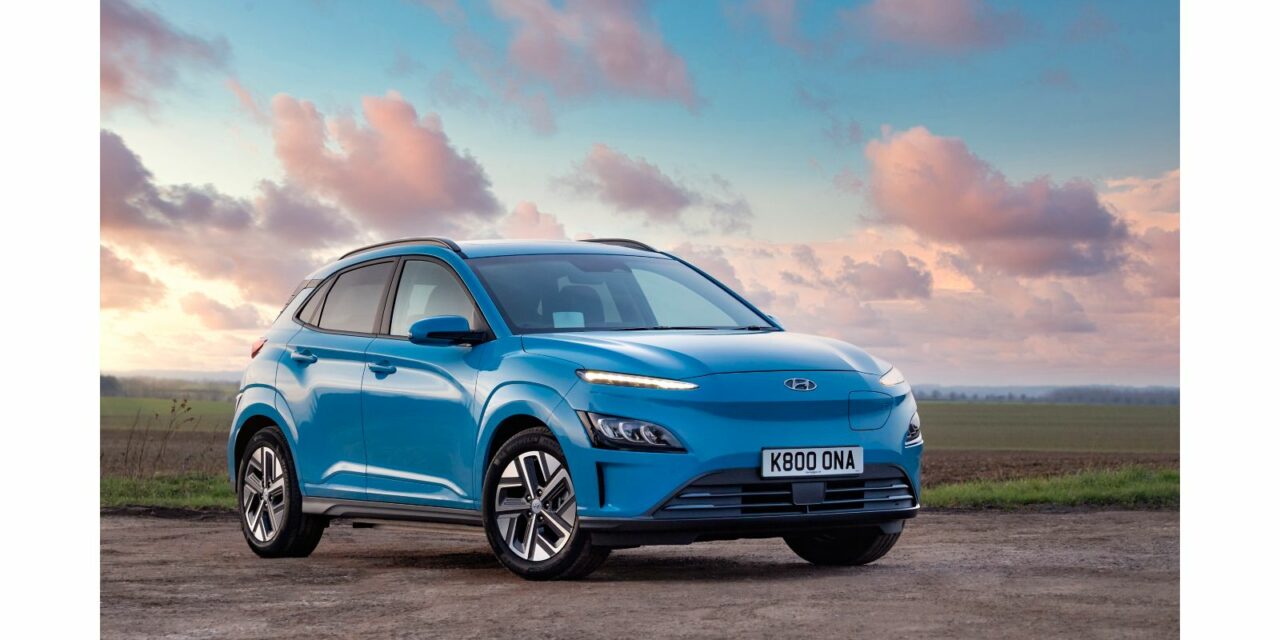
Shopping for a used Hyundai Kona Electric? Start with the battery size, not the mileage
The used Hyundai Kona Electric has become one of the more interesting ways into EV ownership in the UK. It is compact enough for daily life, it still looks like a normal small SUV rather than a science project, and the longer-range versions can make a lot of sense for drivers who are not ready to spend current-model money.
But it is not a car to buy by headline range alone.
With the Kona Electric, the smart move is to work out which battery version suits your life, then check warranty position, recall history, charging kit and how the car has been looked after. Mileage matters, but not as much as many buyers think.
The short version
- The first thing to separate is the smaller-battery car from the bigger-battery car.
- Hyundai’s UK launch material for the original Kona Electric listed two versions: a 39kWh model and a 64kWh model, with up to 300 miles of claimed range on the bigger battery.
- Hyundai’s 2021 facelift update kept the same basic idea, quoting 189 miles for the 39.2kWh version and 300 miles for the 64kWh version under WLTP.
- For most UK buyers, the 64kWh car is the one to target if the price gap is sensible.
- The smaller-battery car can still work well as a cheaper local-runabout EV, but it gives you less slack in winter, on motorway runs and when public charging is busy or expensive.
- Before you pay, run the GOV.UK recall check. The official recall pages for some Kona EV model years include a high-voltage battery management system recall.
- Ask clearly about the battery warranty, because Hyundai’s UK cover has changed over time and the mileage cap is not identical across every version and year.
Why the used Kona Electric is worth shortlisting at all
The Kona Electric matters because it sits in a useful gap in the used market.
A lot of older EVs now look cheap for obvious reasons. Their range is limited, their charging feels slow by current standards, or the cabin already feels old-fashioned. At the other end of the market, newer electric SUVs still carry prices that push many buyers back towards petrol or hybrid alternatives.
The Kona Electric often lands in the middle. It can offer enough real-world usability to replace an ordinary family hatchback or small SUV, without asking you to pay nearly-new money.
That does not make every used example a bargain. It does make it a model worth checking properly.
Which version most buyers should target
If you want the simple answer, start with the 64kWh car.
Hyundai’s original UK launch material said the Kona Electric was available with either a 39kWh battery and 135PS motor or a 64kWh battery and 204PS motor. The facelifted UK press material in 2021 quoted 189 miles of WLTP range for the 39.2kWh version and 300 miles for the 64kWh version.
That gap is the whole story.
In normal UK use, the smaller-battery car can still make sense if your driving is mostly local, you can charge cheaply at home and you do not ask the car to do repeated long motorway trips. If that sounds like your life, a good 39kWh example at the right price can be a smart buy.
But most buyers are better off paying for the bigger battery if the used-market jump is not silly. The 64kWh version gives you more breathing room in winter, more flexibility if you miss a charging stop, and less day-to-day range anxiety once the novelty has worn off.
It is also usually the easier version to live with if your circumstances change. A move, a longer commute, more motorway miles or patchier access to home charging all hurt the smaller-battery car first.
Do not assume the battery warranty means the same thing on every car
This is one of the details buyers skip.
Hyundai’s 2018 UK launch information for the Kona Electric said cars came with a high-voltage battery warranty for 8 years or 125,000 miles. Hyundai’s later UK press material for the facelifted car referred to an 8 year, 100,000 mile high-voltage battery warranty, while Hyundai’s current UK warranty page also says its high-voltage batteries are protected for 8 years or 100,000 miles, whichever comes first.
So do not rely on a vague seller line like "the battery is still under warranty".
Ask what year the car is, ask for the service record, ask whether any warranty work has ever been carried out, and check what cover should apply to that exact registration year. If you are buying from a dealer, get the answer in writing on the order form or by email.
Mileage is not irrelevant, but it is not the first filter
Buyers often fixate on odometer figures because that is how they shop for petrol cars.
With a used EV, the better first questions are:
- which battery size is it
- does the car’s current range still suit your life
- has it had the right recall work
- does it come with both charging cables if they were originally supplied
- is there a sensible service history and evidence the owner cared about the car
A higher-mileage 64kWh car with clean paperwork, correct recall work and sensible ownership can easily be a more practical buy than a lower-mileage 39kWh car that simply does not suit the journeys you actually do.
That is why battery size comes before mileage on this shortlist.
The recall check is not optional on this one
Run the official GOV.UK recall check before you travel or leave a deposit.
The GOV.UK recall pages for Hyundai Kona EV model years 2019 and 2020 include recall R/2020/308, titled: "THE HIGH VOLTAGE BATTERY SYSTEM MAY HAVE A FAULTY MANAGEMENT SYSTEM (BMS)".
That does not mean every used Kona Electric is a problem car. It does mean you should treat recall history as a proper buying check, not a box-ticking afterthought.
If the seller cannot show that recall work has been completed, or gives woolly answers about dealer campaigns, slow down. A cheap advert stops looking cheap very quickly if you end up chasing missing recall work after purchase.
Facelift cars usually make the easier recommendation
If your budget stretches, the facelifted Kona Electric is often the more rounded used buy.
Hyundai’s 2021 UK update brought a refreshed design and made the 10.25-inch digital instrument cluster and 10.25-inch infotainment system standard across the range. Hyundai also said the updated car could charge from 10 to 80 per cent in as little as 47 minutes on a 100kW charger, and that a full recharge from a 7.2kW charger could be done in around 6 hours.
That does not make older cars bad buys. It just means the facelift tends to feel more current inside and easier to justify if prices are close.
If you are shopping later cars, SE Connect and Premium usually look like the first trims worth checking closely, with Ultimate only really making sense when the extra equipment genuinely matters to you and the premium is modest.
What to check before you buy
1. Confirm which battery version it actually is
Do not assume the advert title is enough. Check the registration, trim, power output and the seller’s paperwork so you know whether you are looking at the smaller-battery or bigger-battery car.
2. Run the recall check yourself
Do not accept "it should be fine". Use the official GOV.UK recall checker and ask the seller for proof of completed recall work where relevant.
3. Ask about charging cables
Hyundai’s facelift press material referred to standard Type 2 CCS and 3-pin ICCB charging cables. Replacement cables are not the end of the world, but missing kit is still a cost and a negotiation point.
4. Check how the range fits your real week
Ignore fantasy best-case numbers and think about your actual driving. School runs, winter mornings, dual carriageways, weekend family trips and whether you can charge at home matter far more than the figure that first got you interested in the ad.
5. Read the history like an EV buyer, not just a used-car buyer
Look for sensible ownership, dealer or specialist paperwork, evidence of software or recall updates where relevant, and a seller who answers simple charging and warranty questions cleanly.
6. Be careful with the bargain that only makes sense on paper
A very cheap Kona Electric can still be a poor buy if it is the wrong battery size, comes with missing cables, has unclear recall history or leaves you with too little usable range for the life you actually live.
So which used Kona Electric should you buy?
For most UK buyers, the answer is a 64kWh car with clean recall history, sensible paperwork and a price that has not drifted too close to newer alternatives.
If you can get a facelift car without paying a heavy premium, that is usually the easier recommendation because the cabin tech feels more current and the whole package is a bit easier to justify long term.
A 39kWh car is not automatically the wrong choice. It simply needs a more specific buyer: someone with dependable home charging, mostly shorter trips and a price advantage big enough to make the compromise worthwhile.
That is why the battery-size question matters more than the mileage headline.
Verdict
The used Hyundai Kona Electric is still one of the more sensible ways into a compact electric SUV in the UK, but it is only a smart buy when the version matches the job.
Start by choosing the right battery, then check recall work, warranty position and charging kit properly. Get that order right and the Kona Electric can still make a lot of sense. Get it wrong and you can end up paying decent money for an EV that feels compromised far sooner than you expected.