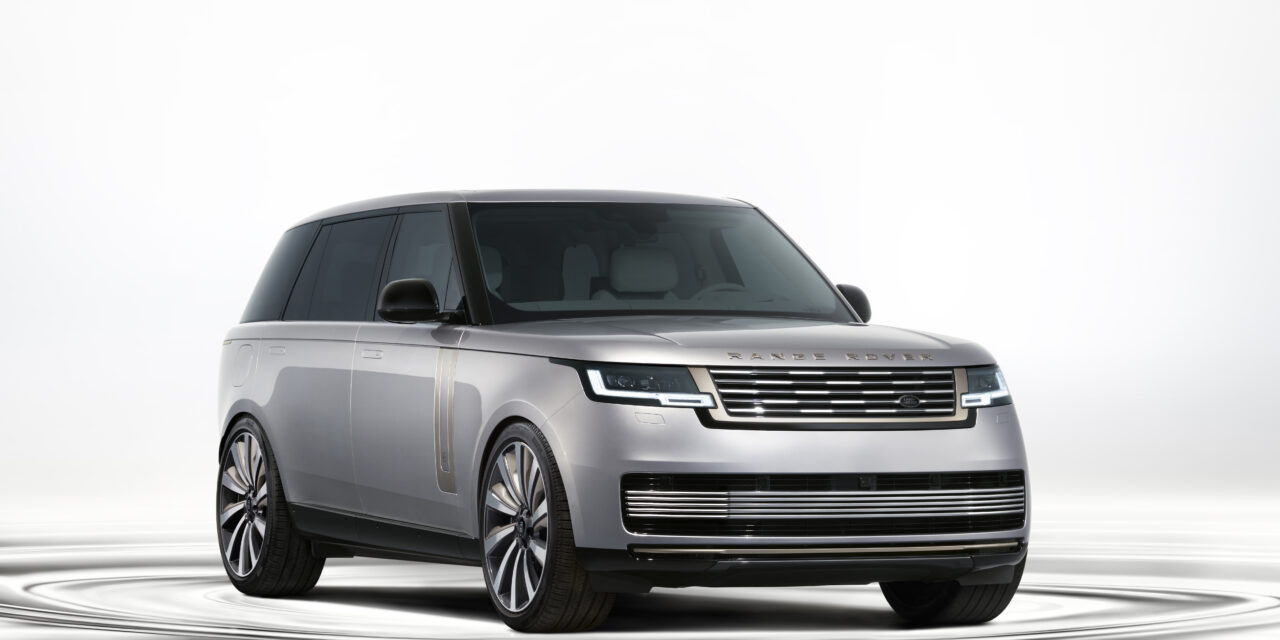
Range Rover has introduced a new SV Ultra flagship, officially revealed by JLR on 29 April 2026, and the first wave of coverage from Auto Express and Top Gear tells you why it instantly became a talking point. A new top-spec Range Rover was always going to get attention, but this one matters for more than its polished metal, pale interior and inevitably eye-watering exclusivity.
The short version is that SV Ultra looks less like a routine trim update and more like a statement about where JLR wants the Range Rover brand to sit next: higher-margin, lower-volume and increasingly defined by technology that feels hard to copy quickly.
JLR says the SV Ultra will be offered by invitation only, with a choice of P550e plug-in hybrid or P540 V8 power, while a fully electric version is due later in 2026. That detail is easy to miss amid the luxury-car theatre, but it is the most telling part of the announcement. Ultra is being positioned not simply as the fanciest Range Rover you can order today, but as a bridge to an even more exclusive electric flagship.
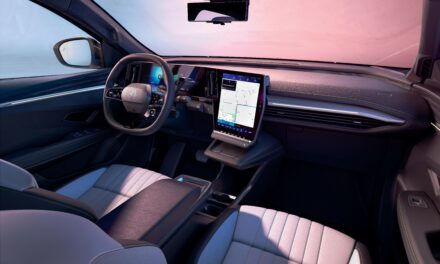
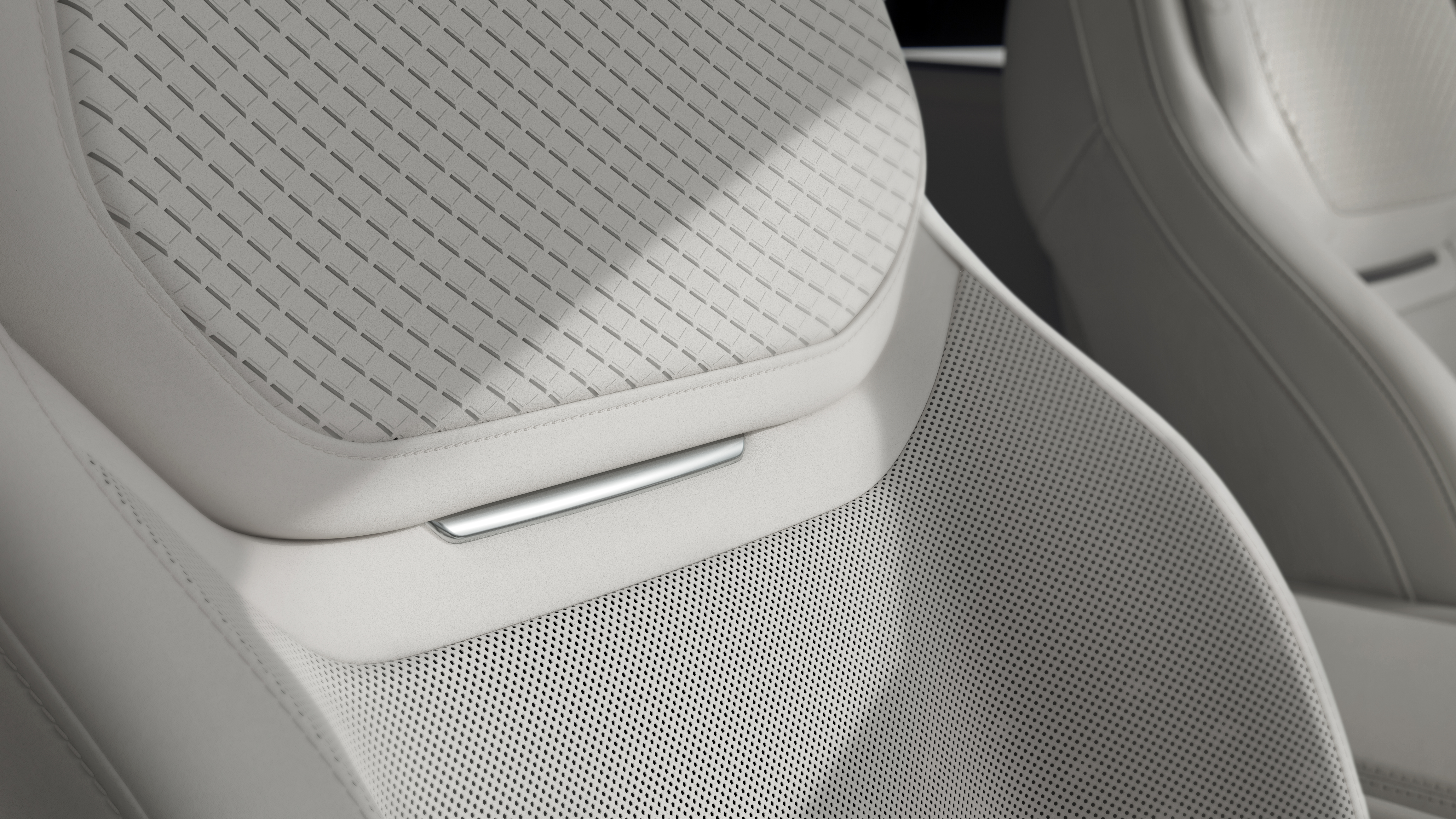
That helps explain why so much of the official announcement leans on cabin technology rather than outright performance. JLR’s headline claim is a new electrostatic sound system, which it describes as a first for a production car. The company says the setup uses 21 ultra-thin transducers integrated into headrests, seatbacks and other speaker locations, backed up by bass speakers, Body and Soul Seats and the haptic floor system already seen elsewhere in the SV line-up. JLR also says the electrostatic speakers need up to 90 per cent less power and 90 per cent less mass than conventional coil speakers, while avoiding rare earth elements.
That may sound like brochure material, but it points to something broader. Luxury flagships used to differentiate themselves mainly through engine size, rear legroom and obvious trim upgrades. Increasingly, brands are trying to make the cabin itself the product: quieter, more immersive, more personalised and more wellness-led. In that context, SV Ultra is less about adding another badge to the tailgate and more about testing how far buyers will pay for a technology-and-experience pitch.
The same goes for the design details. The new Titan Silver finish, satin brightwork, 23-inch wheels, duo-tone Ultrafabrics interior and palm veneer are all deliberately subtle rather than shouty. That is not accidental. Range Rover has spent years moving away from the old idea that luxury has to look busy, and SV Ultra doubles down on that. It is expensive taste aimed at buyers who do not need their car to announce itself from three postcodes away.
There is also a business angle here. JLR has been clear about its intention to chase value over volume, and Range Rover is the cleanest example of that strategy. An invitation-only Ultra derivative gives the brand another way to stretch transaction prices without needing a brand-new model line. It also creates a useful showcase for features that can later filter across other high-end SV products, especially if the electric version arrives with stronger technical differentiation than a simple powertrain swap.
For UK readers, that makes this more relevant than the usual ultra-luxury launch that can feel detached from the rest of the market. Range Rover remains one of Britain’s most recognisable automotive nameplates, and the way JLR chooses to evolve it tends to tell you something about where the domestic industry thinks profit still lives. Right now, the answer appears to be fewer cars, richer buyers and hardware-software experiences that justify bigger margins.
What happens next matters more than the reveal itself. The key questions are whether the electric SV Ultra lands this year as promised, whether JLR puts a public number on just how exclusive the invitation list really is, and whether any of this audio and wellness technology starts appearing further down the Range Rover ladder. If it does, SV Ultra will look less like a one-off indulgence and more like an early preview of Range Rover’s next phase.