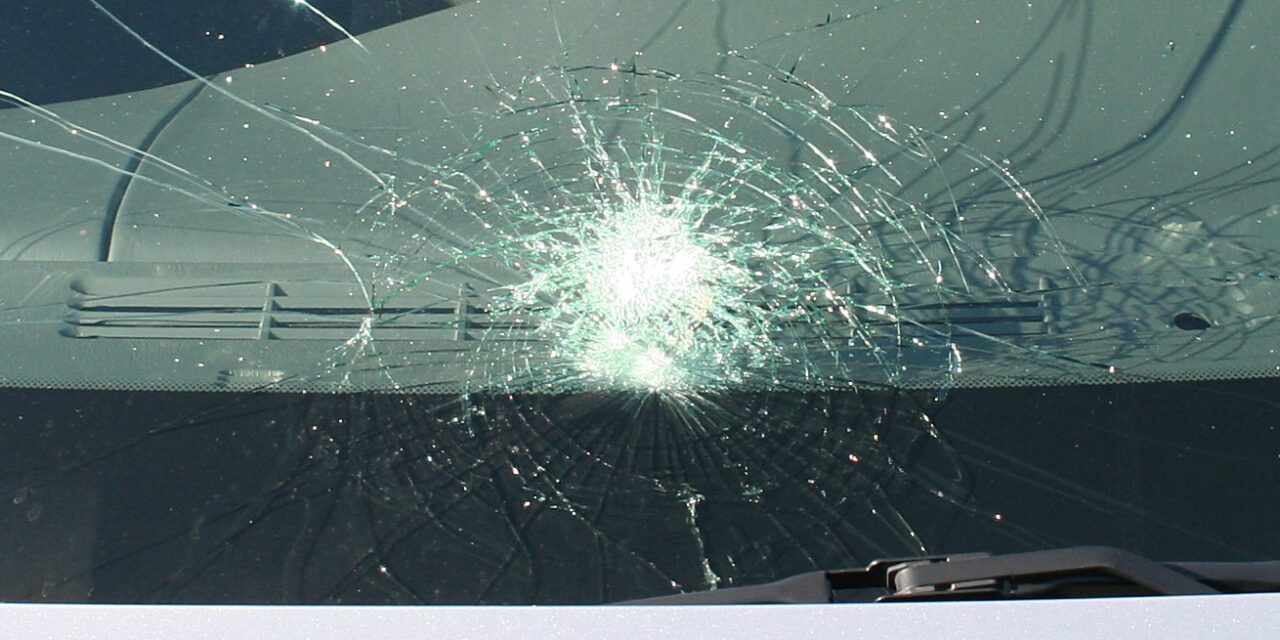
A crack in a windscreen is easy to put off, especially if the car still feels normal. That is sometimes reasonable for a small mark away from your sightline, but a crack can grow quickly with temperature changes, a pothole or a slammed door. More importantly, it can turn a clear view of the road into a safety problem before the next MOT is due.
The useful question is not simply whether the glass is cracked. It is whether the damage affects what you can see, is spreading, or leaves the screen structurally compromised. If the answer to any of those is yes, do not keep driving while you decide what to do.
The short answer
Do not drive if the crack is in your direct line of sight, noticeably distorts what you see, is spreading fast, or follows an impact that has left the glass loose or badly fractured. Arrange a repair or replacement.
A small, stable chip or short crack away from the driver’s main view may allow a careful trip to a repairer, but it is not something to ignore. There is no single legal measurement that makes every cracked screen safe to use on the road. The familiar 10mm and 40mm figures are MOT assessment limits, not a licence to drive with any damage below them.
Start with the view, not a ruler
Sit in the driver’s seat and look through the windscreen at a normal driving distance. You should stop using the car and get professional advice if any of these apply:
- the crack crosses the area you naturally look through to see the road, traffic lights or pedestrians
- a star-shaped impact, chips or radiating lines make objects look blurred, doubled or distorted
- the damage reaches the edge of the glass, where cracks can spread more readily
- the screen has a deep impact point, loose glass, or multiple cracks after a collision
- glare, rain, darkness or low sun makes the damaged area significantly harder to see through
This is also a sensible reading of the Highway Code’s broader maintenance message: the vehicle must be roadworthy and the driver must be able to see the road clearly. The Highway Code’s vehicle-maintenance guidance is worth checking if there is any doubt about your responsibility before setting off.
What the MOT rules actually say
For cars, the MOT windscreen rules divide the swept area of the glass into two parts. Zone A is a 290mm-wide vertical strip centred on the steering wheel. It is the particularly important part of the driver’s forward view. The rest of the swept area is commonly called Zone B.
Under the DVSA MOT inspection manual, a tester can fail a car where windscreen damage is:
- more than 10mm in Zone A
- more than 40mm in the rest of the swept area
The manual also covers damage or defects that significantly impair the driver’s view. That matters because a thin crack can be more distracting than its measured width suggests, particularly when it catches headlights or sunshine.
Do not wait for the test to make the decision for you. An MOT only records the car’s condition on the day it is examined. A screen can become unsafe between tests, and passing last month does not make new damage acceptable now.
Can a small crack be repaired?
Often, yes. Windscreen specialists can commonly repair a small chip before it turns into a larger crack, provided the damage is suitable and not in a problematic part of the driver’s viewing area. The decision depends on the type, size and location of the damage, as well as the vehicle’s glass and any built-in camera or sensor equipment.
Do not try to judge repairability from a photograph alone. Ask a reputable automotive-glass specialist to inspect it. They can tell you whether a resin repair is appropriate or whether the screen needs replacing.
If the crack is contaminated, keep dirt and water out of it where practical, but do not attempt a home repair that could make a professional repair impossible. Avoid blasting the screen with very hot air or pouring hot water on cold glass. Sudden temperature changes can make a crack travel.
Modern windscreens add another reason not to delay
Many newer cars have cameras, rain sensors, head-up-display hardware or driver-assistance equipment mounted behind the windscreen. If replacement is needed, the forward-facing camera may need calibration afterwards. That is not an optional cosmetic extra: systems such as lane support and automatic emergency braking rely on the camera being correctly aligned.
When getting quotes, ask two direct questions: whether calibration is included, and whether it will be carried out after the new screen is fitted. A very cheap replacement quote that does not deal with required calibration may not be the bargain it first appears.
Will insurance pay for it?
Comprehensive policies commonly include windscreen cover, but the detail varies. A policy may have a separate, lower glass excess and may use an approved repair network. Some insurers handle a repair differently from a replacement for claims-history purposes, but do not assume that is universal.
Before authorising work, check your policy booklet or insurer’s claims page for the glass excess, approved repairers, any cover limit and the position on camera calibration. If the screen is dangerous, safety comes first: do not keep using the car simply to avoid a claim or excess.
A sensible next step
For a small mark away from your main view, book an inspection promptly and avoid stressing the glass until then. For a crack in front of the driver, a spreading edge crack, or any damage that affects your ability to see clearly, leave the car parked and arrange recovery or mobile glass repair.
The cost and inconvenience of acting early are usually lower than a replacement, a failed MOT or a moment of poor visibility at exactly the wrong time.
Frequently asked questions
Is it illegal to drive with a cracked windscreen in the UK?
It can be. The key issue is roadworthiness and whether the damage prevents a clear view of the road. A crack that obstructs or seriously distorts the driver’s view should be treated as a reason not to drive, regardless of whether the car has a current MOT.
Can I drive straight to a windscreen repairer?
If the damage is small, stable and does not affect your view, a careful journey may be possible. If visibility is affected, the screen is badly fractured or the crack is spreading, arrange mobile repair or recovery instead.
Does a cracked windscreen always fail an MOT?
No. The result depends on the location, size and effect of the damage. More than 10mm of damage in Zone A or more than 40mm elsewhere in the swept area is a fail, and damage that significantly impairs the driver’s view can also fail.
Can a windscreen crack get worse overnight?
Yes. Changes in temperature, vibration, potholes and body flex can make existing damage spread. That is why a fresh chip or crack is worth having assessed quickly.