If a dealer offers alloy wheel insurance in the finance office, it is tempting to see it as a cheap way to protect an expensive set of wheels. Sometimes it is useful. Quite often it is just another add-on that sounds broader than it really is.
The difference usually sits in the small print. A typical alloy wheel policy is aimed at cosmetic scuffs, kerb marks and light damage that can be repaired or refurbished. It is not the same thing as full wheel replacement cover, and it is not a substitute for reading your main insurance policy properly.
For UK drivers, the right question is not simply whether alloy wheel insurance is good or bad. It is whether the cover matches the kind of damage you are likely to face, the type of wheels on the car and the real cost of repairing them without insurance.
What alloy wheel insurance usually covers
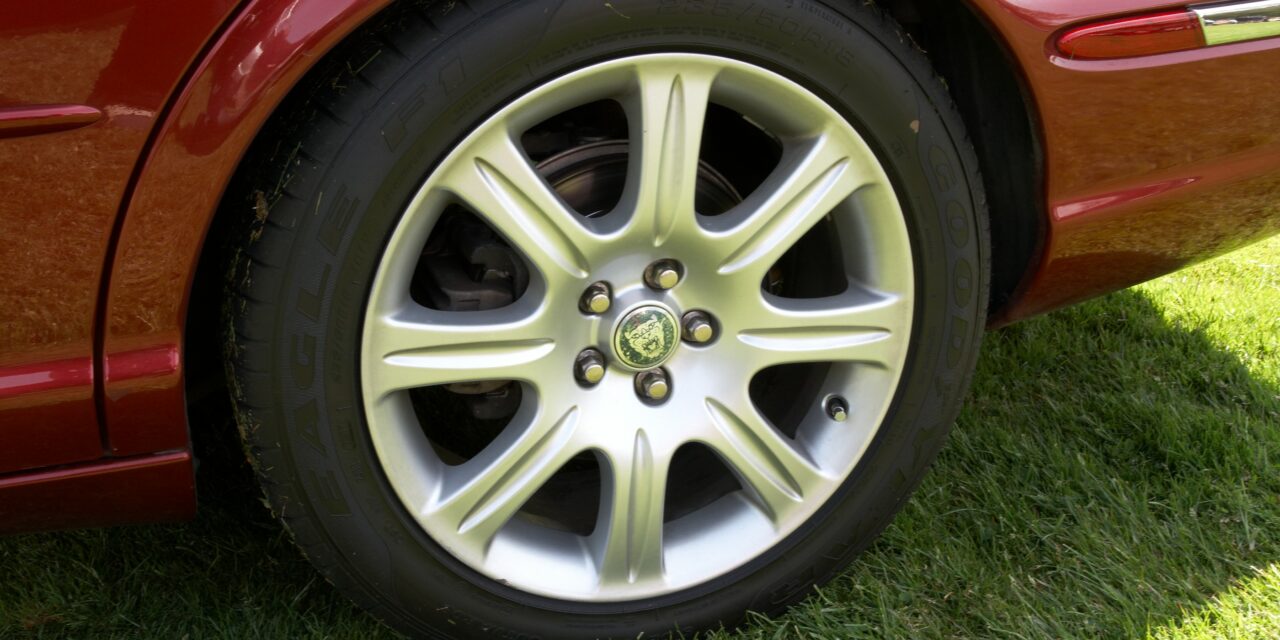
Dealer-sold and standalone alloy wheel policies are broadly designed to deal with day-to-day damage that makes a wheel look scruffy rather than unsafe. The most common examples are:
- kerb scuffs during parking
- scratches and minor cosmetic damage
- some pothole or road debris damage, depending on the policy wording
- mobile or approved-network refurbishment work
- a limited contribution towards replacement when a wheel cannot be repaired
That is the broad shape of the market, but the detail changes quickly from one provider to another. Some policies allow several claims a year. Some include diamond-cut wheels. Some only pay up to a fixed amount per claim, which matters a lot if the wheel is large, heavily styled or hard to match.
What alloy wheel insurance often does not cover
This is where buyers get caught out. Alloy wheel insurance is rarely as open-ended as the sales pitch suggests. Common exclusions and limits include:
- pre-existing damage
- non-standard or aftermarket wheels
- structural damage such as cracking, buckling or distortion
- a low cash cap towards replacement rather than the full cost of a new wheel
- limits on how many times the same wheel can be repaired
- age and mileage limits at the start of cover
This matters because many drivers imagine the policy will put the car back to perfect condition whatever happens. In practice, a policy may only cover a SMART-style cosmetic repair, or make a modest contribution if a wheel is beyond repair. If you have a premium model with large diamond-cut alloys, that gap between expectation and reality can be expensive.
The seven checks worth making before you buy
1. Find out whether the policy is cosmetic-first
If the cover is mainly for scuffs, scratches and kerb damage, treat it as cosmetic insurance, not full wheel protection. That is not a bad thing in itself, but it changes the value equation. Cosmetic cover can make sense on a leased car or on a car with expensive diamond-cut wheels. It is less compelling if you would happily live with the odd minor scuff.
2. Check the repair and replacement limits
The most important line in the paperwork is often the money cap, not the monthly cost. If the policy only contributes a fixed sum towards replacement, ask whether that would actually buy a matching wheel for your car. On some cars it will not come close.
3. Check whether diamond-cut wheels are fully included
Diamond-cut alloys often cost more to refurbish properly, and they are not always treated the same way as painted wheels. Some policies include them, some limit how they are repaired and some only offer a capped contribution if refurbishment is not possible. If your car has diamond-cut wheels, do not assume the word alloy means everything is covered on equal terms.
4. Ask what counts as one claim
One parking mishap can damage two wheels. Some policies count that as two claims, not one event. That matters if annual claim limits are tight or if the same wheel cannot be repaired repeatedly under the same plan.
5. Check the eligibility rules before the car ages out
Many policies have vehicle age and mileage limits when cover starts. If you are buying a used car, make sure the car actually qualifies. Also check whether replacement wheels have to be original manufacturer specification rather than aftermarket upgrades.
6. Compare the policy price with a local refurbishment quote
This is the reality check that too many buyers skip. Get at least one local quote for a cosmetic refurbishment on a wheel similar to yours. If the policy costs close to a likely repair bill over the term, you may be better off keeping the money and paying for the occasional fix yourself.
7. Think about the car’s real-world risk
A city-driven car with low-profile tyres, tight parking and expensive alloys faces a different risk profile from a modest hatchback on smaller wheels that mostly does motorway miles. Lease drivers should also factor in end-of-contract standards, because visibly damaged wheels can trigger return charges.
When alloy wheel insurance can make sense
Alloy wheel insurance can be worth considering if most of the following apply:
- the car has expensive or diamond-cut wheels
- you park on-street or regularly squeeze into tight spaces
- the lease return standard worries you more than the monthly cost
- the policy clearly includes the wheel type on your car
- claim limits are realistic for the repair costs involved
- the premium is modest relative to likely refurbishment costs
In that situation, the cover can be a convenient budgeting tool. You are not necessarily beating the insurer mathematically, but you may be buying predictable costs and easy access to approved repairs.
When it is usually poor value
It is often weak value when:
- the car has small, simple painted alloys that are relatively cheap to repair
- the dealer bundles the cover into finance without making the total cost obvious
- the replacement contribution is far below the price of an actual wheel
- the policy excludes the type of damage you are most worried about
- you would not bother repairing minor cosmetic marks anyway
That last point matters. Plenty of drivers never claim because the damage is too small to justify the hassle. If that sounds like you, self-insuring is often the better option.
Does your main car insurance already help?
Sometimes, but not in the way many people expect. Comprehensive motor insurance may help if the wheel is damaged as part of a larger insured incident, such as a collision or vandalism claim. It is much less likely to be the right route for everyday kerb scuffs, especially once you factor in the excess and the risk of affecting future premiums.
That is why dedicated alloy wheel cover exists at all. It sits in the gap between doing nothing and making a main insurance claim that would make little financial sense.
A better way to decide
Before you agree to alloy wheel insurance, ask the seller for the full policy wording or at least the key facts document. Then check four things in order:
- what exact damage is covered
- whether your wheel type is included
- the cap for repair and replacement
- the total policy cost over the full term
If the salesperson is still talking in generalities after that, walk away and price a standalone policy or a pay-as-you-go repair instead. Add-ons are easiest to sell when the buyer is tired, rushed and already focused on the monthly payment.
The bottom line
Alloy wheel insurance is not automatically a rip-off, but it is not a default yes either. It tends to make the most sense for drivers with costly wheels, lease-return exposure or a lifestyle that makes cosmetic damage genuinely likely. For everyone else, it is often smarter to compare the premium with the cost of one or two local refurbishments and keep control of the money yourself.
If you buy it, buy it with your eyes open. The value is rarely in the headline promise. It is in the exclusions, the claim caps and whether the cover fits the exact wheels sitting on your car today.